Moon Phases - What They Mean and How to Track Them
Celebrity | By GetCelebrity | February 13, 2026
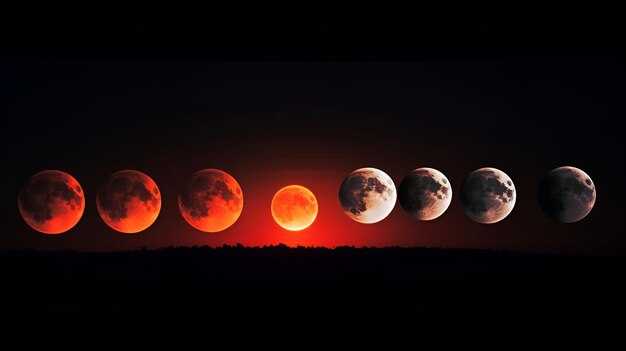
\nBegin with a concrete recommendation: keep a daily daytime log of sky brightness for a full cycle; mark the thin crescent near sunrise or sunset; watch illumination shift, this creates a connection youre own guide through observation.\nWithin two to three weeks, the visible illumination ranges from a thin crescent to a half-lit disk; during that arc, libration causes a subtle shift of the visible edge; capture this by noting the terminator orientation; observe how illumination angle shifts.\nUse a medical style checklist with a simple chart for daily daytime observations; keep the record in a pocket notebook or phone note; youre guide for yourself while two cycles likely to reveal patterns; the channel between sky brightness, life routines, magick of consistency becomes clearer with repetition.\nApply results to garden tasks with patience; align watering or pruning with illumination gain or loss; observe how plant growth responds to increasing illumination during the cycle; plan seed sowing or harvest windows around the likely bright windows.\nKeep the channel with yourself; if weather blocks sight, re-check next clear daytime; use a drawn circle to compare successive days; note first quarter markers relative to sunrise or sunset; this improves accuracy of your reference.\nOnce routine stabilizes, the practice becomes a reliable guide you can apply daytime after daytime; there is likely a visible rhythm you can feel with a quiet magick that strengthens your connection with sky, time; youll channel deeper insight into everyday tasks.\nPractical Guide to Moon Phases and Their Meanings\nBegin with a simple rule: log the monthly cycle; note light at dusk, sets of changes; which stage aligns with seeds sowing; use that signal to move chores accordingly.\nKey markers include light progression; inner shadow shifts; the third stage marks a turning point for harvest tasks; southern orientation helps identify which limb is lit; remaining portion stays dark. A half phase rem