The Tartan - History, Meaning, and How to Wear It
Celebrity | By GetCelebrity | February 13, 2026
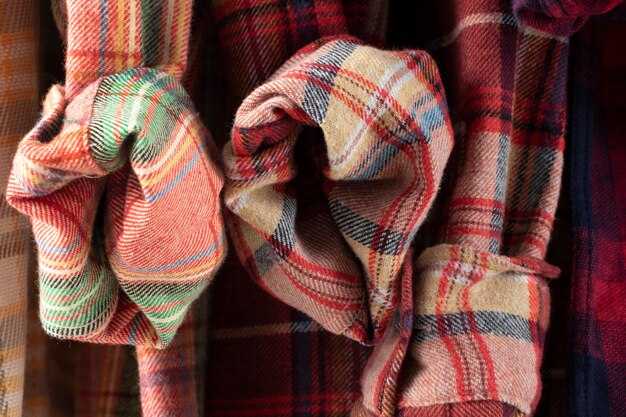
\nChoose one anchor tartan as base; let this choice guide color harmony, fabric weight, knot details. There, think of how a single pattern sets tone for moments in times when formality meets streetwear; someone notices.\nOrigins trace through Highland past; clan sets; colors signal allegiance; patterns linked to their chiefs. bulla seals; vecsey archives reveal transformations from rural cloth to public symbol itself; these have been preserved.\nFor styling, pair a single tartan with neutral textures; choose a single color from the plaid as highlight; keep accessories minimal to preserve the line. There, a mutant reinterpretation appears in contemporary streetwear; just a hint of volume elevates silhouette. A base can endure fifty uses if cleaned properly.\nOn formal occasions, maintain elegance; sleeve length, plaid scale, belt position tell a story before reveal. There appeared a moment where a sister wore a slim scarf; a wife joined with a structured blazer, producing balance in a public performance. In cinema, a protagonist’s plaid signals lineage by referencing a family line; a lone character, alone in memory from their village, a movie scene.\nPlan for an Informational Article: The Tartan, Meaning, and Pop Culture Moments\nBegin with a fixed blueprint: five sections, each with a single objective, a curated primary-source list, plus a practical takeaway for readers. thats a fixed rule for the draft. Outline structure: Origins; Symbolism; Pop-culture moments; Contemporary styling; Sourcing, care, research notes. Set a two-week timetable for the draft; reserve nights for field notes; collect memories from enthusiasts; prepare citations; caption ideas.\nOrigins; symbolism: map clan patterns via archival prints; given data from archives show color cues across regions; note weave density linked to status. back then, these factors help readers see how a pattern grew from common cloth to recognizable sign; use concrete examples from three regions to illustrate shifts;