


 Deutsch
  English (UK)
  Русский
  العربية
  日本語
日本語  한국어
한국어  Magyar
  Türkçe
  Español
  Čeština
  Svenska
  Português
  Ελληνικά
  Suomi
Suomi  Nederlands
  Română
  Italiano
  Français
  Polski
  Українська
  简体中文
简体中文  Slovenčina
 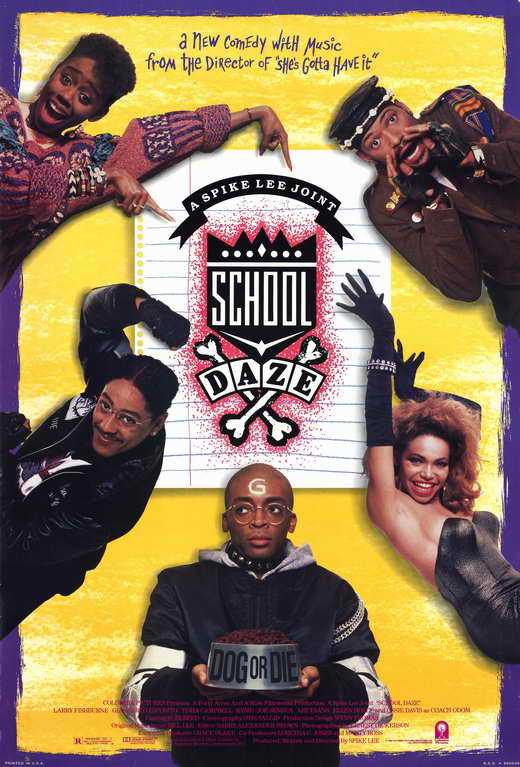 Die 20 besten Filme zum Schulanfang, um in Stimmung zu kommen">

Empfehlung: Dead Poets Society kicks off with a rollercoaster of classroom energy, where a student finds courage, dialogue that hints at rebellion and hidden power, that movie must matter for any semester screening.
Another teenager experiences, a vivid snapshot where every hallway becomes a stage, every choice carries edge, and humor blends with longing to shape an experience that echoes american high school history.
Clueless vibes ride through beverly hills with witty dialogue that captures social dances, friendships, and a cohort constructing identity with sharp humor, offering a window into class, crushes, and peer pressures.
For a more literary tilt, titles that echo shakespeares drama reveal quiet lines as battle cries, conversations doubling as moral tests, and sympathy for every character growing alongside dead ends and rising courage; even hate is counterpoint to empathy.
Road-movie energy anchors an american classic where friends drift between classes, first loves, and a late-night ride, a compact blend of risk, humor, and candid confession that resonates long after credits roll.
Across selections, teachers retreat from center stage, leaving space for experiences that belong to every student, every teenager, their hopes, fears, and small rebellions; such storytelling shapes perspective on power, friendship, and resilience–perfect companions for study hours and after-school routines.
Which pick lands most fitting for eager cohorts? Each film cultivates a distinct lens on campus life, from fear to bravery, from doubt to solidarity, ready to fuel discussions, journals, and group viewings.
9 Akeelah and the Bee (2006): Practical angles for teachers and students

Launch a saturday practice cycle pairing spelling drills with short performances. Participants do several dives into themes from character-driven passages, followed by self-discovery reflections through journaling. Capture experiences, mood shifts, and fresh perspectives in journals.
Use middle-school cohorts to map a coming-of-age arc using Bianca as anchor: discuss setting, summer mood, anxiety cues, and scenes that feel heartwarming for viewers after sessions.
Encourage students to compare characters and classics, noting eccentric quirks that illuminate growth; tie insights to music cues for those listening.
Provide quick in-class options: a 5-minute video diary, a 10-question quiz, or a reflective piece from different perspectives, such as Bianca or another fictional classmate. Use stars as milestone markers. Invite bianca to share experiences. This approach finds value in peer feedback.
Assessment routes: track fresh confidence, note mood shifts, and record viewers reactions to improved spelling, pacing, and self-control. Given varied classrooms, adapt tasks. Never rely on rote prompts.
Key themes and takeaways relevant to classroom goals
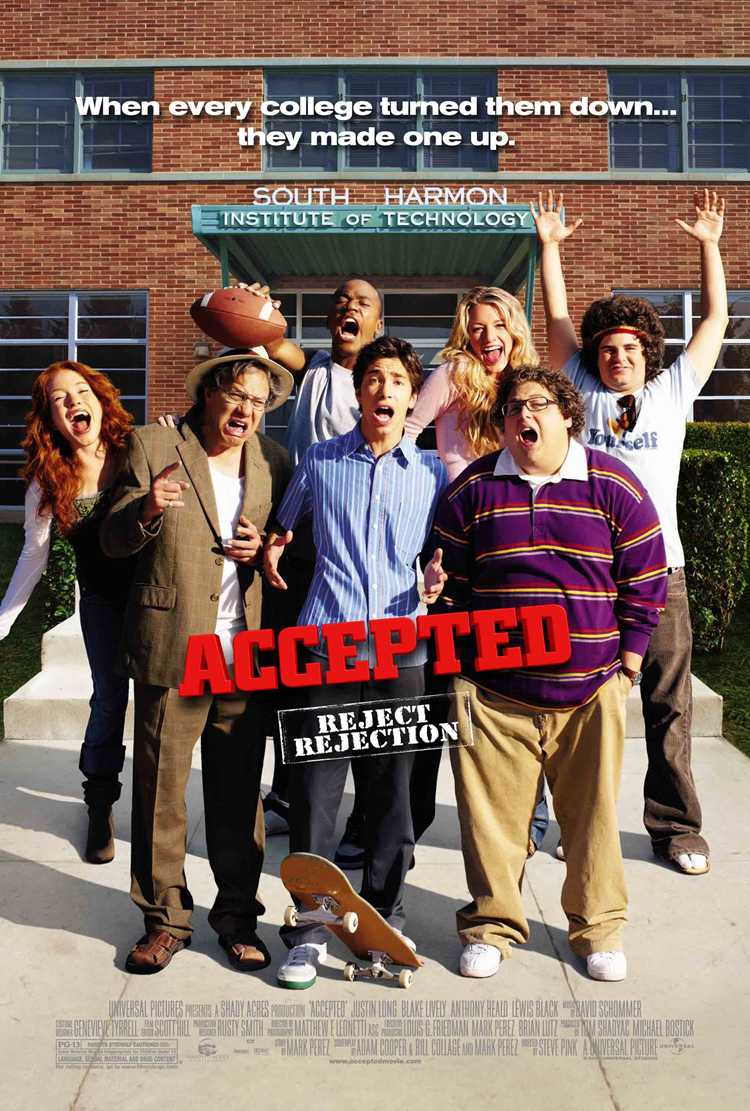
Pair an episode with guided reflection to link character choices with classroom aims such as critical thinking, collaboration, and empathy.
- some scenarios highlight politics and power within group; analyze how shifts in influence affect friendship, acceptance, and responsibility, underscoring importance of ethical choices.
- Friendship and love anchor heartwarming moments; use as springboard for discussions on how girls and male characters navigate loyalty, trust, and self-worth, including anxiety.
- Character growth arc shows a student learning to love herself while navigating group dynamics; prompt personal reflection and action steps.
- cameron demonstrates powerful takes on responsibility, loyalty, and self-acceptance; prompts discussion on different viewpoints and impact on teenager decisions.
- Rivalry within a teenager group reveals coping strategies; students map steps to repair bonds after conflicts.
- Episode structure offers rhythm: light-hearted opening, heavier mid-point, and hopeful ending; use as model for pacing in discussions and writing tasks.
- nostalgic tones help learners connect with past years and even remember a dead friend, reinforcing memory and identity while addressing politics and social pressures.
- british backdrop provides cultural texture; compare with different settings to broaden understanding of acceptance and viewpoint.
- Heartwarming moments support inclusive group dynamics; instructors can assign a list of reflective prompts to capture various perspectives.
- To close, post-episode activities gather takeaways: priorities, personal goals, and strategies to manage anxiety within friendships.
Discussion prompts and activities that promote critical thinking
Start with a focused viewing marathon dedicated to one film, then pause at pivotal moments to map motives and outcomes. Ask students to chart character goals, choices, and consequences on a simple worksheet, using arrows to reveal cause-and-effect links. They must describe how fresh humor or a light-hearted frame can make audience judgments shift without bending facts.
Prompt 1: what would shift if narrator perspective changed? Divide into groups to compare outcomes across scenes within film, noting how perspective changes meaning, including heartwarming moments. In addition, provide support prompts to help peers sift evidence.
Prompt 2: ethical dilemma map. Assign stakeholders and ask for evidence before taking stance from film. If youve limited time, trim tasks to one prompt.
Activity: compare tone across titles; examine british humor devices vs american approaches, highlighting different cultural cues. Have students draft dialogue lines showing contrasts.
Creativity dives into design: sketch an alternate ending or fresh scene to test understanding, and present rationale for elementary learners. Design prompts aim to turn dead ends into fresh pathways. During year cycles, connect such tasks to moral reasoning and civic awareness.
Reflection prompts: quick check-ins after sessions; capture learning with a two-minute note from each group. Include playful archetypes beverly and napoleon to anchor discourse, showing how heartfelt insights emerge from eccentric, joyous exchanges. Over years, discourse grows sharper. Ask learners to mark which reasoning became stronger, and which points never lost clarity when shifting from one perspective to another.
Vocabulary, spelling, and presentation exercises tied to the film
Choose a title featuring friendship and bianca; then run three focused language tasks aligned with scenes.
Activity 1: Vocabulary sprint. Students extract terms from dialogues, captions, or posters and match meanings with moments from screenings. Key terms include catchy, when, love, cher, beautiful, during, their, full, part, uplifting, every, rivalry, thats, with, friday, identity, politics, which, making, college, whether, night, favorite, after, things, teacher, never.
Activity 2: Spelling drill. Pairs spell 12–15 film-specific terms, craft mnemonic clues, and write sentences that place terms in context.
Activity 3: Presentation. Small groups prepare a 3-minute talk about identity arcs, politics angles, or friendship themes; use visuals, captioned quotes, and quick audience inquiry across films.
Cross-cutting tips: friday watch sessions reveal how friendship evolves, how bianca grows, and how rivalry sharpens decision making.
Instructor notes: provide a short glossary before tasks, encourage pair rotations, and record progress with brief rubrics.
Accessibility and inclusive viewing strategies for diverse learners
Recommendation: enable closed captions and audio descriptions on every screening, pair with adjustable playback speed, and provide on-screen navigation for per-scene notes.
For ongoing access, supply a commentary track featuring teacher reflections and student commentary; viewers gain context, while commentary fosters inclusive critique.
To support diverse reading levels, attach glossaries, allow on-screen captions for slang, and offer quick cue cards that summarize themes like rebellion, rivalry, and self-expression.
Select titles with varied portrayals of identity; these allow students to make different connections, highlight a lady-led perspective, express herself or themselves, and unleash creativity.
For students facing sensory overload or attention challenges, provide audio-only summaries, transcripts, and a quiet discussion space after screenings. Include dead time for processing and reflection.
For teachers, attach a one-page guide with prompts about edge dynamics, character motivation, and moral questions; include suggestions for conversation moderation and inclusive commentary.
These practices help american classrooms broaden access, support future-minded learners, and invite viewers to explore self-expression, creativity, and collaboration across hills of culture; given austens, such ties clarify adaptation, narrative choice, and voice.
Assessment ideas to track engagement and learning outcomes
Start with a light-hearted, four-week assessment sprint after initial screenings, using bite-size polls and brief reflections to map engagement against learning aims.
Whether learners favor quick clicks or short written notes, data from both modes delivers a powerful, empowering view of progress. There are benchmarks built from years of classroom data. Season by season, this approach yields reliable signals across years, with some cohorts showing stronger resonance during summer or homecoming windows. If youre coordinating a class across male and female groups, data should reveal whether engagement patterns differ.
Fellow educators can deploy a compact rubric aligned with episode goals, making insights actionable. There are plenty of prompts that are teen-centered and accessible to all learners, including podcast listeners and viewers. A teen-centered lens helps ensure attention stays on meaningful outcomes, not attendance. Nostalgic touchpoints–packed moments with touching, mysterious twists–which were likely to spark discussion, leading to deeper involvement.
During monitoring, keep a simple cadence: after each episode deploy a 3-question poll; ask a 1-minute reflection prompt; collect codes for feedback. Viewers and listeners respond similarly; track both. Plenty of data can be used to adjust pacing and topics during season, which yields more reliable outcomes across years.
| Metric | Data source | Frequency | What it reveals | Hinweise |
|---|---|---|---|---|
| Engagement rate | post-episode micro-surveys; poll responses | after each episode | interest level; momentum; drop-offs | normalize by class size |
| Learning alignment | brief rubrics; teacher notes | weekly | progress toward objectives; gaps | adjust instruction accordingly |
| Social interaction index | comments; peer feedback; discussion threads | per episode | collaboration; critical thinking | tag themes for quick coding |
| Nostalgia-to-motivation signal | open-ended prompts; keyword coding | mid-season and end | emotional connection; motivation level | use simple thematic coding |