


 Ελληνικά
  English (UK)
  Русский
  العربية
  日本語
日本語  한국어
한국어  Magyar
  Türkçe
  Español
  Čeština
  Svenska
  Português
  Suomi
Suomi  Nederlands
  Română
  Italiano
  Français
  Polski
  Українська
  Deutsch
  简体中文
简体中文  Slovenčina
 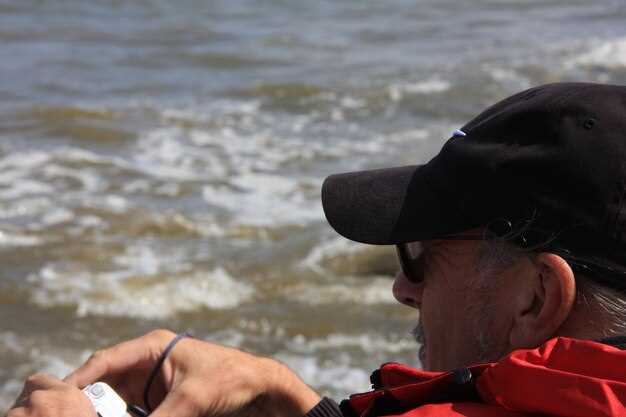 Florida Man Rides Out Hurricane Milton on Boat, TikTok Draws Officials">

Start by checking live weather advisories and securing safety gear before any water venture. Ensure a recorded plan for escape routes and confirm rescue contacts are on hand.
Reports describe the moment when the gust punched the hull and the craft was dragged over the swell, while the amputee passenger, left with crutches, remained inside but was moved to a secure position as the crew checked safety lines and announced a temporary shelter plan.
In online footage, the scene was recorded and circulated by viewers as a storm-chasing event drew attention from authorities. The video includes the sound of creaking fittings and a sensation of wind on wet canvas, driving onlookers to comment as the clip circulated without commentary. Despite hazard, the subject tried to maintain control, while observers logged data about breaking waves and other hazards.
This analysis helps readers understand when to retreat, how to document events, and what decision criteria authorities use; choosing the right protocol when safety lines hold and when to abandon the attempt. If injuries occur, hospital transport could be arranged, done in coordination with the coast guard, and reports to follow. Checking procedures after action will inform future drills when the aim is to improve readiness.
Practical breakdown of the incident and public response
Do not stay on a watercraft during a severe storm; seek solid shelter and follow official advisories.
Timeline and vessel status: thursday morning, some time, a local resident attempted to weather the storm afloat on a compact craft, leaving the slip as gusts intensified. The craft launched from the quay and remained afloat despite hellish winds and breaking waves; possession of life jackets and signaling gear was noted on scene. Early actions to steer toward sheltered lines were made by the operator, with additional attempts to regain control as conditions worsened.
Public response and media coverage: footage circulated on tampas-area platforms, drawing attention from morning viewers and local residents. The clip was shared across media networks, prompting breaking conversations about safety and accountability. On scene, gary, an officer on nearby duty, warned that attempting the move would endanger responders and others, and urged leaving the waterway. The incident sparked scare among some observers, while others debated responsibility and the boundaries of sensational content. youre reminded to consider the risk before sharing. The discussion touched on income and resources for waterfront businesses, with stakeholders noting potential effects on local lines of commerce and tourism that were envisioned for the day.
Enforcement and policy implications: Police and officers signaled possible consequences for reckless behavior; jail time could be pursued if such actions endangered others. The response toward this event highlighted how enforcement lines and public outreach must coordinate across agencies. Possession of dangerous equipment and leaving designated safety zones were cited as potential charges, and the case prompted officials to offer clearer guidance for future incidents so the public understands expectations and penalties.
Practical guidance for residents and communities: prioritize shelter and official alerts, and avoid risky on-water attempts during severe weather. Build a quick-response plan that includes safe anchors, ready-to-go supplies, and a clear communication line to report hazardous acts. Include resources and income considerations in preparedness, so youre not relying on informal channels when danger escalates. Platforms that distribute updates should be used to verify the latest advisories, and footage should be shared responsibly to prevent unnecessary panic. If youre in a high-risk area, leave shoreline zones early and head toward established shelters; local authorities offered maps and routes to help you move toward safety without delay.
Timeline: key moments from impact to social-media posting
Create a timestamped master log of impact moments with verifiable sources and visuals, and ensure the record can be reviewed without ambiguity.
- Late morning: impact along the coastline escalates; a local resident remained on a watercraft to weather the storm; witnesses tell of perpendicular gusts and rolling swells, while responders document conditions and begin safety checks.
- Morning: reports name the individual; he claims to be managing the craft to endure the event; the plan envisioned beforehand was to shelter, but conditions forced him to stay exposed; no misdemeanor charges were filed at this stage.
- Point mid-morning to afternoon: a clip recorded by a bystander captures the action on deck; the footage records rigging and crew motions; authorities say they will document the scene without sensationalism and use it to verify statements.
- Morning to midday: a person with injuries is transported to hospital; health services report several injuries, with some patients admitted in stable condition; the government coordinates response and issues initial guidance.
- Afternoon: military assets deploy to assist; authorities say the individual was claiming to remain with the craft as others prepared for possible evacuation; crew radios reference the captain, nicknamed dans, in logs as operations proceed.
- Evening: government statements reiterate safety guidance; several updates emphasize source reliability and warn against misinformation; the point is to include official channels, to make the record precise, again shaping public understanding.
- Post-helene comparisons: several observers note how this event echoes patterns from hurricanes in the same region; the discussion informs better emergency-response planning and policy implications.
- Late night: reports show the moment of hitting the shoreline; clips circulated on the platform and were recorded by witnesses without official context; authorities urge following government channels for accurate information.
Claim verification: assessing evidence behind Malinowski’s account
Recommendation: verify core claims by checking the original footage and independent media coverage with precise timestamps, then corroborate with weather and maritime records around the event.
Begin by checking around early and late moments: did the central claim come via a livestream or in a formal statement? If the source is an anchor or a user account, demand multiple checks from several sources to reduce bias.
Content that goes virally often says different things; the caption sometimes helped spread misinformation. Verify whether the central claim came from a livestream or a formal statement, and check whether the account came from an anchor or from a user. If the claim says someone came ashore near a pier, verify with geolocation clues and late corroboration from authorities, and seek only corroboration from independent sources.
When weighing credibility, compare what Malinowski says with what others insist; more than one observer should align on the key actions. If a nickname or branding appears in coverage, note its potential bias; in late checks, mayors’ offices and local agencies can provide authoritative context. Despite sensational framing, rely on verifiable facts and avoid repeating unverified claims.
Metadata and technical checks: verify file creation dates, device metadata, and whether the clip is perpendicular to the shoreline or presents conflicting angles. If attempted edits are detected or the footage lacks clear provenance, flag it for deeper review. The category of the clip–whether user-generated or professional–guides the extent of scrutiny.
If terrence sinise and other media figures commented, cross-check their statements against the original source. The process will help determine whether the claim is credible or virally amplified beyond its actual scope; maintain a transparent log of checking steps, and publish findings when confirmed.
TikTok’s role: how viral videos reached officials and shaped messaging
Adopt a rapid-response playbook: a well-name lead tracks bouncing clips and translates them into a digital updates page. Draft a concise statement within the first hour that centers on warnings, shelter guidance, and credible data; then refresh later as rain intensity and storm paths evolve. Keep language plain and actionable to reduce confusion and maintain trust.
Operational discipline: monitor tiktok streams for signals in the quadrant of public conversation; assign a trained spokesperson to craft safe, courteous replies and link to official resources. Translate residents’ questions into short, clear advisories; note any left questions that require follow-up and publish them in the next update. This approach helps officials avoid misframes when the world consumes fast clips.
Case reference: in tampas-area chatter, several clips highlighted wind and rain risk; diligence produced a coordinated response with warnings distributed on the page and later a formal statement that outlined shelter options and possible income-support options for responders. The tiktoker-driven sensation prompted conversations about safety and resource access, and even arrests rumors were addressed with verified facts. The result: survivors shared tips, and courtesy communication helped reduce panic across the community.
| Metric | Description | Example |
|---|---|---|
| Reach | Estimated view count from viral clips | 1.2M |
| Engagement | Shares, comments, likes relative to views | 4.5% |
| Lead time | Time from clip first surfacing to official update | 38–60 mins |
| Resource flow | Funding and support signals surfaced by social posts | Emergency supplies coordinated |
Ασφάλεια μικρών σκαφών σε τυφώνα: συγκεκριμένα βήματα και συμβουλές ετοιμότητας
Εκτελέστε αμέσως τις ακόλουθες ενέργειες: μετακινήστε το σκάφος σε ένα προστατευμένο αγκυροβόλιο, διπλώστε τις πρυμναίες και πλωριές γραμμές και στερεώστε ένα εφεδρικό χαλινάρι. Αποθηκεύστε τον χαλαρό εξοπλισμό σε κλειδωμένα διαμερίσματα και ασφαλίστε τα βαριά αντικείμενα χαμηλά για να μειώσετε την κίνηση. Αυτά τα συγκεκριμένα βήματα ελαχιστοποιούν τον κίνδυνο ανατροπής όταν χτυπούν τα κύματα, προκαλώντας θανατηφόρα πλήγματα σε εκτεθειμένα καταστρώματα.
Δημιουργήστε αξιόπιστες επικοινωνίες: παρακολουθείτε ενημερώσεις από έγκυρες πηγές και παρατηρείτε τα μέσα κοινωνικής δικτύωσης για προειδοποιήσεις. Οι ειδικοί λένε ότι ένα φορτισμένο φορητό VHF ή δορυφορικός φάρος και ένα δοκιμασμένο σχέδιο μπορούν να μειώσουν τους χρόνους απόκρισης. Βεβαιωθείτε ότι μπορείτε να φτάσετε σε ένα καταφύγιο ή γραμμή βοήθειας εάν οι συνθήκες επιδεινωθούν.
Προετοιμαστείτε για ακραίες θαλασσοταραχές: σχεδιάστε για κύματα 10 μέτρων και ριπές ανέμου ελέγχοντας την αντλία σεντινών, κλείνοντας τα στόμια και καθαρίζοντας τις απορροές καταστρώματος. Χρησιμοποιήστε ανθεκτικά στηρίγματα και επιπλέον σχοινιά, και κρατήστε εφεδρικά προστατευτικά έτοιμα για να μετριάσετε τις προσκρούσεις στην γάστρα.
Εάν ένα μέλος του πληρώματος είναι ακρωτηριασμένο ή χρησιμοποιεί πατερίτσες, σχεδιάστε μια προσβάσιμη έξοδο διαφυγής και μια στεγνή, σταθερή διαδρομή προς μια σωσίβια λέμβο. Αναθέστε έναν βοηθό για να βοηθήσει στη μετακίνηση εξοπλισμού, κρατήστε τα βοηθήματα κινητικότητας σε μια στεγανή τσάντα και εξασφαλίστε ασφαλή σημεία σύνδεσης για μια ζώνη ή ένα σχοινί πρόσδεσης.
Εξασκηθείτε σε ασκήσεις και μείνετε ήρεμοι: εκτελέστε μια γρήγορη απενεργοποίηση, ασφαλίστε τα χαλαρά αντικείμενα και κάντε πρόβες σηματοδότησης κάτω από τον ψεκασμό. Συμπεριλάβετε τον διαλογισμό ή τις βαθιές αναπνοές για να διατηρήσετε την συγκέντρωσή σας· θα βασιστείτε στην καθαρή σκέψη όταν οι συναγερμοί κλιμακωθούν.
Κατά τη διάρκεια του συμβάντος, ελαχιστοποιήστε την κίνηση και μείνετε χαμηλά. Εάν πρέπει να μετακινηθείτε, έρπυστε προς προστατευμένες περιοχές και αποφύγετε τις εκτεθειμένες άκρες. Σεβαστείτε τις προειδοποιήσεις και εξοικονομήστε ενέργεια, γιατί για να ξεπεράσετε τις χειρότερες στιγμές απαιτείται πειθαρχία και όχι παλικαρισμός. Το σκάφος που οι ντόπιοι έχουν ονομάσει «Θύελλα Γλάρος» έχει αποδειχθεί ανθεκτικό σε προηγούμενες θύελλες.
Έλεγχοι και βελτιώσεις μετά την εκδήλωση: επιθεωρήστε το κύτος, τα αμπάρια και τις άγκυρες. Ελέγξτε τι λειτούργησε και τι απέτυχε και, στη συνέχεια, ενημερώστε το σχέδιό σας. Αποφύγετε τη σπατάλη και το περιττό ψάξιμο· κρατήστε σημειώσεις σχετικά με τις επισκευές και τις αντικαταστάσεις και επισημάνετε τα αντικείμενα με το όνομα του εξοπλισμού, ώστε να επισπεύσετε την προετοιμασία στο μέλλον. η συνεχής προσοχή στα συστήματα του σκάφους βοηθά στην αποφυγή επαναλαμβανόμενων προβλημάτων και σημειώστε τι αφαιρέθηκε ή υπέστη ζημιά, ώστε να μπορέσει να αντικατασταθεί γρήγορα.
Εάν οι συνθήκες επιδεινωθούν ή οι κανόνες γίνουν πιο αυστηροί, παραμείνετε στη θέση σας και περιμένετε διάσωση ή σαφέστερες συνθήκες. Η παράβλεψη των περιορισμών μπορεί να οδηγήσει σε σύλληψη ή χειρότερα. Οι ασφαλέστερες αποφάσεις προστατεύουν το πλήρωμα και το όνομα του σκάφους στο ημερολόγιο.
Βέλτιστες πρακτικές για την ενημέρωση του κοινού: πώς να αξιολογείτε κριτικά τους εντυπωσιακούς ισχυρισμούς
Ξεκινήστε επαληθεύοντας την πηγή πριν κάνετε κοινοποίηση: εντοπίστε την αρχική ζωντανή μετάδοση ή το έγγραφο, σημειώστε τον χρονισμό και επιβεβαιώστε τον ισχυρισμό με τουλάχιστον δύο ανεξάρτητες πηγές.
Διασταυρώστε με ενημερώσεις δημόσιας ασφάλειας και αξιόπιστα μέσα ενημέρωσης· εάν η γλώσσα είναι εντυπωσιακή, αναζητήστε επιβεβαίωση από τις αρχές και τις μετεωρολογικές υπηρεσίες και συγκρίνετε τις χρονικές σημάνσεις από τα απογευματινά ή τα μέσα Σεπτεμβρίου συμφραζόμενα. Να είστε επιφυλακτικοί με τα ηρωικά αφηγήματα που εξυμνούν την επικίνδυνη συμπεριφορά και να αποφεύγετε την ενίσχυση μη επαληθευμένων πράξεων.
Αντιμετωπίστε τα βίντεο ως αποδεικτικά στοιχεία, όχι ως απόδειξη· προσδιορίστε την κατηγορία του ισχυρισμού (οδηγίες επιβίωσης, κομπασμός ή φήμη) και επαληθεύστε εάν το υλικό είναι επεξεργασμένο ή περικομμένο. Εάν γίνεται επίκληση ενόρκων βεβαιώσεων ή εγγράφων, επαληθεύστε την πηγή και τη συνάφειά της με την αφήγηση και αναζητήστε επιβεβαίωση από ανεξάρτητα μέσα. Σημειώστε πότε τα αποδεικτικά στοιχεία τους βασίζονται σε μια μοναδική οπτική γωνία ή σε μια σκηνοθετημένη στιγμή.
Αποφύγετε να βασίζεστε σε μια μόνο ζωντανή ροή ή ανάρτηση χρήστη· το εντυπωσιακό περιεχόμενο χρησιμοποιεί συχνά σημεία συζήτησης και μπορεί να προσφέρει μικροσκοπικά δεδομένα ως αποδείξεις. Προφυλαχθείτε από στηρίγματα όπως ανέκδοτα αποσπάσματα· βασιστείτε σε αξιόπιστη κάλυψη από τα μέσα ενημέρωσης, επίσημες δηλώσεις και τεκμηριωμένους ελέγχους για να αποκωδικοποιήσετε την αλήθεια. Εάν κάποιος προσπαθεί να προωθήσει μια αφήγηση, αναζητήστε εναλλακτικές οπτικές γωνίες πριν αντιδράσετε και προειδοποιήστε να μην κάνετε κοινοποιήσεις που στερούνται επιβεβαίωσης. Αυτή η καθοδήγηση βοηθά τον χρήστη να αποφύγει τη βλάβη.
Για να επιβιώσετε από την παραπληροφόρηση, δημιουργήστε μια πειθαρχημένη ρουτίνα: κάντε παύση, επαληθεύστε και τεκμηριώστε τους ελέγχους σας. Η ανάγκη για υπεύθυνη κοινοποίηση είναι πιο έντονη κατά τη διάρκεια γεγονότων όπου ανταποκρίνονται οι κοινότητες της Φλόριντα· οι πιο αξιόπιστες αναφορές προέρχονται από αξιόπιστα κανάλια και όχι από βιαστικές δημοσιεύσεις. Σε πολλές περιπτώσεις μελέτης, όσοι προσέφεραν ένορκες βεβαιώσεις ή άλλα έγγραφα παρέχουν το πιο αξιόπιστο πλαίσιο· δώστε προσοχή στο απογευματινό παράθυρο και στα μοτίβα στα μέσα Σεπτεμβρίου, και σε περιβάλλοντα όπου κυκλοφορούν φήμες για να διαχωρίσετε το σήμα από το θόρυβο. Αυτή η πρακτική θα βοηθήσει τους χρήστες να κάνουν ασφαλέστερες επιλογές και μπορεί να βοηθήσει τις κοινότητες να επιβιώσουν από τη διάδοση της παραπληροφόρησης από μια απογευματινή ή στα μέσα Σεπτεμβρίου αύξηση της φλυαρίας.