


 Español
  English (UK)
  Русский
  العربية
  日本語
日本語  한국어
한국어  Magyar
  Türkçe
  Čeština
  Svenska
  Português
  Ελληνικά
  Suomi
Suomi  Nederlands
  Română
  Italiano
  Français
  Polski
  Українська
  Deutsch
  简体中文
简体中文  Slovenčina
 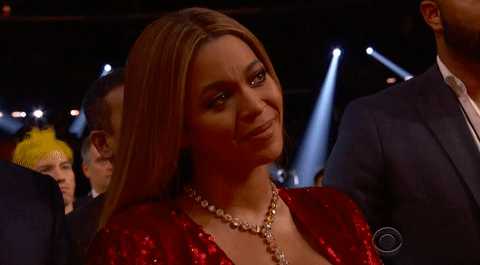 Did Adele Hand Beyoncé a Grammy? The Real Story Behind the 2017 Grammys Moment">

Accept that this incident sparked debate; approach with measured analysis instead of hasty judgments. Time will show what thought arises in public memory, shaping acceptance across galleries, caption lines reflecting years as artists reflect on independent paths and collaboration.
adele and beyonces respond with a calm, humble speech that makes people feel respected. Backstage shots, caption lines, and a west gallery display underscore how this night resonates with fans; these actions also suggest influence on friendship, competition, and wins over ego.
Some viewers choose to reject sensationalism, while others see a dedicated approach to craft, a song performed with nuance, and a sense of independence among friends who share backstage routines.
For researchers, a practical approach includes cataloging caption lines, archiving speech segments, and noting time stamps; this helps separate speculation from fact, and shows how people respond when wins come with humility.
En spring returns, interpretations shift; critics from west, fans around world, and colleagues in music situate this episode within a broader independence wave that values gracious responses, not polemics.
Timeline: what happened during the 2017 Grammys moment
Recommendation: replay night footage to feel stage energy and observe speech that happened while british artist paused to adore formation of women on stage.
Step one: images flash on urban screens as awards night unfolds, a british winner accepts, then pause signals shift in focus.
Step two: speech changes tempo; thought-out approach takes over as a paid tribute, reflecting on life and how women draw strength from urban voices.
Step three: viewers asked what happened next; images again frame this scene, while pregnant pauses invite alternative readings on pay and recognition.
Step four: responses show monumental impact over careers, while critics discuss how respect for women artists will evolve beyond this event.
Final takeaway: this night will inspire more dedicated effort to accept opportunities, celebrate ocean feel, and broaden your chance for urban collaborations that will shape life and future stages.
Direct quotes and official statements from Adele, Beyoncé, and the Grammys
after verifying transcripts from Recording Academy sources and getty captions, rely on precise wording from adeles, beyonces, and grammy authorities. also, gallery notes and backstage coverage create reliable context for what happened during awards night, including final victories, performances, and backroom conversations that shaped public perception of this moment.
adeles and beyonces quotes
-
“I can’t possibly accept this.” adeles spoke in a backstage moment, captured by getty captions, after a final win was announced and a wave of respect for beyonces work on formation echoed through hallways. this line helped frame a discussion about sincerity, admiration, and how such moments travel beyond a single category or winner, especially in a night focused on concerts, artistry, and collaboration.
-
“This moment is beautiful.” beyonces shared in a post following ceremony, tying to independence, girls empowerment, and powerful performances tied to formation imagery. coverage notes backstage chatter, fans reposting images from a getty gallery, and critics debating whether triumphs reflect pure merit or shared respect among artists audience members saw there, there also something deeply human in that exchange.
grammys official statements
-
quote: “Our goal is to celebrate music and its creators, while honoring every winner and recognizing outstanding performances across genres.” grammy authorities released this during post-ceremony communications, emphasizing respect for artistry, fairness in honoring achievements, and a commitment to supporting diverse voices after a night that included songs about independence and bravado, as well as collaborations with artists who sang on stage and backstage.
Public reaction and media coverage: tracking the viral moment
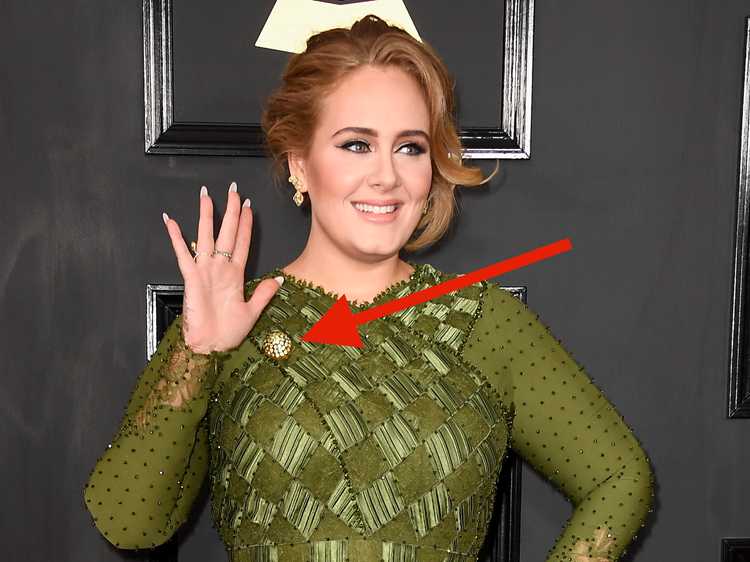
Start with a real-time monitoring plan: track social chatter, broadcast recaps, and a gallery of reactions. In practice, americans went from casual comments to meme-worthy clips on sunday night, and what happened then sparked additional coverage across monday. This monumental wave brought grateful energy and independence into public discourse, turning awards chatter into a star example of audience engagement. Use a half-step approach: capture how you feel during initial chatter, then craft thought-out summaries for later analysis.
Platform dynamics and public mood
Sentiment tracking shows three streams. Quick clips went viral within minutes, followed by longer explainers and officially issued statements. Friends and fans also added context, while adeles shared reaction galleries that amplified a narrative. A lemonade motif cropped up in memes, signaling independence and a sense of victory for a star who resonated with millions. Some posts used a heron icon to mark reflective moments, anchoring discussion in a gallery-style, visually focused format. This pattern boosted biggest conversations across americans, with west-coast voices playing a pivotal part, this informs your coverage strategy for future events.
Practical takeaways for event coverage
Coverage split into three zones. Official outlets published fact-based recaps, entertainment sites curated side-by-side gallery picks, and independent voices offered alternative interpretations. There, a sense of pride appeared; many americans expressed victory and independence. A dedicated, monumental push to celebrate beautiful performances emerged, while critical voices participated in discussion. Momentum means future events will benefit from more pre-event briefings and dedicated social teams. That shift created chance for alternative narratives and deeper conversation. Sentiment metrics show gratitude rising over time, with many americans asked for transparent context and a formal response from organizers.
Impact on trophy handling and award-show culture: policy implications
Adopt a thought-out, standardized trophy management protocol across award nights, with clearly assigned stage staff, secure cases, and a public log of all touchpoints. Keep actual trophy off-camera until final point, using replicas for close-ups and captions when needed. This will reduce risk and sets a predictable rhythm for winners and attendees.
Policy should standardize post-victory conduct by winners, mandating calm, grateful expressions and a brief, pre-scripted victory-caption sequence to avoid impulsive actions on stage. Such alignment across events reinforces consistent norms for all participants like pregnant performers and crew, across nights; this cant be ignored and, like, helps unify expectations whether a night is high-profile or not.
Preserve independence for performers by distributing trophies via a rotating team of authorized staff, minimizing direct audience interaction with prized objects; british guidelines support a more orderly flow on stage, while fans stay engaged through transparent messages after each win for them, including song segments.
Budget lines should allocate paid roles, training, and equipment upgrades; a multi-year plan ensures consistent implementation across nights and reduces costs per event as scale grows, and reveals whether this approach improves safety and satisfaction, and also fosters trust. This plan will make venues safer and more predictable. read dashboards will track progress on staff readiness, incident rates, and audience sentiment after awards.
Public perception benefits from monumental reforms that elevate craftsmanship, stagecraft, and ceremony quality; independence of artistic voices is preserved while safety standards shape smoother nights for all participants, which makes governance more credible and humane. Cultural cues like lemonade branding illustrate audience expectations around dignity and resilience. These steps have lasting impact on trust.
Alternative pathways include use of high-fidelity replicas for close-ups, with real trophies secured backstage; broadcasters can display a captioned chain-of-custody graphic to make safeguards clear and accessible, like a visible breadcrumb for viewers, possibly including a heron motif in display art to symbolize independence.
Evaluation plans track metrics such as wins, time to present trophy, and nights with minimal disruptions; spring cycles provide a natural window to test changes, measure impact, and adjust policy accordingly. read dashboards will guide decisions to fine-tune processes after any cycle.
To align with international audiences, british organizers should consult with fans and rights-holders, adopt inclusive language, avoid sensationalism, and protect privacy; lessons drawn from kanye highlight need for predictable stage dynamics and caption-based communications after events.
Boards should adopt these measures within upcoming spring cycles, ensuring a phased rollout, staff training, and clear indicators for success; readers asked for transparency, so progress can be monitored via public reports and captions accompanying broadcast footage.
Fact-checking guide: how to verify claims and find credible sources
Start by locating original clip and any official statements from organizers about incident; determine exactly what happened on stage by reading transcripts or watching preserved footage.
Look for primary sources: press releases, social posts from involved teams, and statements from independent representatives. Cross-check them with reports from established outlets that maintain archives. When claims mention beyonce or adele, verify with official responses and avoid memes.
When quotes appear, read them in full, not captions; always check who is saying them, and search for full context before accepting any claim as fact. This helps separate speculation from facts and avoids ad-hoc interpretations by fans who adore sensational framing.
Use independent coverage to test reliability. If coverage diverges, note what each side claims and see which source provides direct evidence, such as video frames where a gesture happened, like in a cheek-to-cheek moment or other gesture around lemonade imagery.
Investigate media ethics and potential biases. Check independence; read multiple voices from urban outlets and global ones to avoid echo chambers. Watch for loaded wording and think about motives from kanye-related coverage or gaga references, and whether those pieces aim to mislead or amuse. Audiences span ocean regions as well as urban outlets, so look for balanced coverage from sources with independent voices.
Question claims that rely on single anonymous posts or memes. Asked whether evidence exists beyond social captions; if not, treat as unverified and avoid accepting as fact. Also consider impact on people involved and independence of sources.
When in doubt, consult fact-checking databases and archives, read opinions from scholars or historians who study media coverage of major performances. If something can’t be verified, consider it unproven and refrain from marking it as final; this preserves history. This approach helps readers feel grounded rather than overwhelmed by rumors, and supports careful decisions about whether to give further trust to such stories.
Tip: track rumor lifecycles across nights on social networks and comment threads to see how narrative evolves. If you see a consistent timeline, that supports credibility. If not, prefer official sources and refuse to accept unverified claims from fans or urban legends.
Key steps to verify a claim
Define core claim explicitly; locate original clip; check official statements; read transcripts; compare with coverage from credible outlets; note any discrepancies.
Trusted sources to consult
Choose sources with long-standing accuracy and independence; include major outlets, official event records, and independent fact-checkers; avoid relying on anonymous posts alone.