


 Español
  English (UK)
  Русский
  العربية
  日本語
日本語  한국어
한국어  Magyar
  Türkçe
  Čeština
  Svenska
  Português
  Ελληνικά
  Suomi
Suomi  Nederlands
  Română
  Italiano
  Français
  Polski
  Українська
  Deutsch
  简体中文
简体中文  Slovenčina
  Iconic American Horror Story Moments That Made Us Lose Our Minds">

Start with a focused viewing plan: run these sequences on the screen, then circle back for deeper context. An early attempt to map how hauntings unfold can sharpen listeners’ intuition as suspense builds before the next twist lands.
In Coven, the window sequence inside madame lalaurie‘s house ranks among the most shocking scenes; sawed remnants and hauntings linger on the screen, long after the cut. The name landgon surfaces in fan lore as a marker for a tense exchange, fueling insane shifts in mood and leaving viewers unsettled.
Each sequence uses precise sound design to heighten danger: creaks in the floor, distant wind, a novia‘s whispered plea. The acts escalate with clinical patience, inviting viewers to attempt to map cause and consequence across the screen, while the narrative offers clues without cheap tricks, please notice the throughline evolving with each rewatch.
For audiences seeking a further sweep, whats next should focus on the moral consequences of characters’ choices; a lone person in a haunted setting becomes a mirror for viewers, inviting reflection on motives, relationships, and the cost of curiosity, while clues keep pace, though nothing is immediately obvious.
To complete this tour, consider how long the hauntings linger after the screen goes dark; each fragment forms a puzzle you can name, with insane twists that challenge genre tropes. If you crave a crisp arc, follow a clear sequence, then circle back to earlier scenes to see how mood shifted, how acts evolved, and how a single window could reframe a character. thats long been debated among fans.
As you catalog these episodes, please remember a focused goal is to map how each scene invites viewers to question power and fear, rather than chase shocks. A well-curated list can help readers compare arcs and see cross-season referents, and these threads became a reference for later analyses.
Rubber Man’s Reveal in Murder House and Other Shocks That Shaped the Season
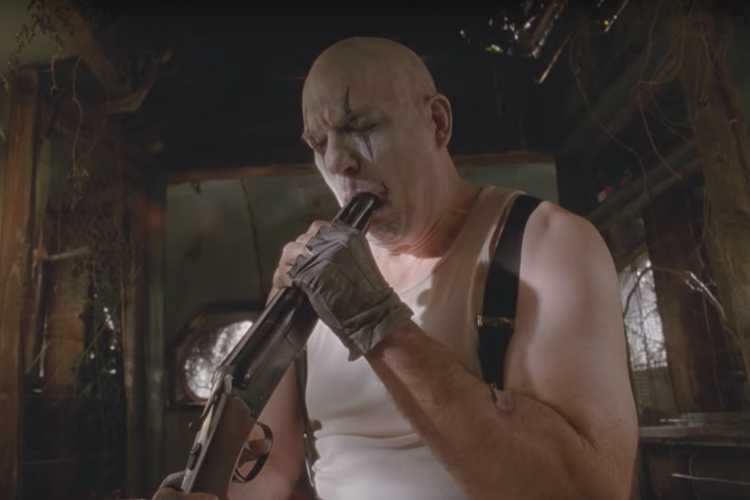
Begin with the Rubber Man reveal and map its influence through the arc; the moment hinges on the tension in evan and lange’s collaboration, turning the space into a living confession. youd feel how this single image reframes the familys fear, and how the audience reads every flicker of the screen for a clue youd missed before.
- Rubber Man sequence: the reveal exposes Tate Langdon’s fractured identity, blending sadistic precision with a chilling domestic edge. the thing isn’t just a stunt; it reshapes the tone of the home, and sets the most lasting mood for early episodes. scenes between Vivien and the masked figure leave a mark on james’s memory and linger like a shadow that refuses to fade in the viewer’s head. the moment plays well with the audience’s sense of pleasure in misdirection while staying firmly grounded in its core creepiness.
- Dr. Thredsons arc: the serial killer arc introduces a brutal, methodical menace. the bloody discoveries, the way his taunts echo through the rooms, and the way he weaponizes the truth all contribute to a sense of dread that fans still discuss. this thread feels fair in its escalation, and its impact isn’t limited to a single beat on the screen–it’s a blueprint for how other shocks unfold in close proximity to the house’s secrets, giving the season a relentless, relentless tone.
- LaLaurie and the house’s past: lalaurie and the house’s history collide with living memory. shelly’s interactions and leslie’s presence anchor the ghosts in the present, creating scenes that blur the line between punishment and memory. between the flashbacks and the present-day hauntings, the show’s texture deepens, and none of the hauntings feel random–each nod to the past strengthens the current danger and invites the audience to explore intent, motive, and cruelty that never truly leaves the frame.
- Clown and other lurkers: the looming figure of the clown and the broader gallery of terrors contribute to a sense that death isn’t a single event but a pattern. bloody revelations punctuate the rhythm, and the way these images ricochet across the screen keeps the narrative tense and unpredictable. the shocks aren’t isolated; they echo through the house, through the family, and through the serial history embedded in the walls.
- Final shocks and cross‑thread consequences: Patrick’s fate and the strain on the girlfriend, Chad, and other close characters hint at how personal ties survive or fracture under pressure. an email thread and whispered exchanges elsewhere in the house shed light on what’s been given, what’s been kept, and what remains unsettled. the last twists leave viewers aware that the most frightening thing isn’t a single monster but the accumulation of choices left untreated and the lines drawn between truth and illusion.
Overall, these turns define the season’s pace and mood, offering a compact guide to the house’s most lasting scares–each beat feeding the next, delivering a succession of shocks that fans still recall as landmarks on the journey from curiosity to dread.
Rubber Man reveal: exact episode, scene setup, and why it lands

Watch Season 1, Episode 3 in a dim bedroom with the volume high; the Rubber Man reveal lands with an immediate jolt as a latex silhouette slips through a doorway and vivian breath catches. The sequence leans on vivian, sister dynamics, and the house’s hauntings, pulling paulson, lange, and sevigny into the tension. It sets a claustrophobic tone which sticks long after the frame fades.
Scene opens with a quiet bed moment and quickly shifts to a close shot on the glossy seam of the suit; the camera lingers on a gloved hand reaching toward the door, the room’s light refracting off rubber; sound design adds a creak and a hiss that turns the air sick with dread. Nerves coil like snakes. This moment plays with a serial archive of horror lore while remaining intimate, as if the mask is a mirror for ben’s buried lives and the house’s past.
Why it lands: the reveal ties ben’s buried method to hauntings that ripple through the family; it uncovers a sick, sadistic thread in the house’s history and hints at the Tate landgon legacy (tumblr debates langdon vs landgon). vivian wasnt sure whose memory this room holds, with kathy bates energy in the gossip, and with paulson lange sevigny delivering restraint and menace. the scene opens a door to remember, again and again; this should balance domestic life with fear, and the result feels horrific, everything the show does well. you can feel lives died here and the echo persists in the rooms, here.
Costume design, lighting, and sound cues that heighten the impact
Coordinate wardrobe, lighting, and sound around a single emotional axis per sequence to maximize dread before dialogue.
- thredsons: tailored, austere lines with pale, matte fabrics; avoid sheen; keep accessories minimal; apply lower key lighting to sculpt the jaw and emphasize control; their skin reads clinical, not soft, reinforcing a sick, methodical vibe.
- witch-inspired looks: patched textures, earth tones, and fabrics that appear worn from ritual use; silhouettes are severe and geometric; backlight creates a halo edge that intensifies the sense of menace, while graphic embroidery or print hints at a longer history.
- clowns and their covered faces: oversized shapes, heavy makeup, and texture that reads as grotesque from a distance; use hard rim light to carve features and cast elongated shadows, letting color accents (red, black) punch through while the audience remembers the fear tied to their presence.
- wendys and penny motifs: repeat a subtle accessory in multiple scenes to cue memory; a muted scarf or coin-shaped ornament anchors shifts in tone between earlier and later episodes, ensuring the thing audiences recall most is a visual cue rather than dialogue.
- cheyenne reference: integrate a discrete signal–such as a badge, signage, or textile pattern tied to the Cheyenne setting–to ground a moment in place; keep the costume language tight so the reference remains an homage rather than showy flourish.
Lighting strategy elevates texture and intention. Use lower lighting levels to push scenes into silhouette during climaxes; switch to cooler, blue-tinted, edge-heavy illumination when danger intensifies, especially in interior spaces opened by dramatic reveals. Maintain hard, directional light on faces to reveal a glint in the eye or a line on the lips, adding graphic shapes that stay with the viewer after the shot ends. In earlier sequences, warmer or softer tones can imply uneasy safety, but as the tension builds, the palette should skew toward stark contrast to amplify memory of the moment.
- shadow geometry: carve lines across a character’s cheek or jaw to suggest restraint or obsession; keep the lower half in shade to imply inner conflict, then snap to full visibility at key turning points.
- color semantics: reserve reds for threat or ritual, blues for cold rationality, and ochre for memory and decay; consistency across episodes helps the audience pair mood with image.
- environmental cues: ambient haze or steam can soften edges but still preserve the graphic silhouette of costumes, boosting the sense that something is off even when the scene seems calm.
Sound design anchors the visual language with how the audience feels. Percussive hits, metallic breaths, and staccato strings should mirror the cadence of a character’s power and fear; when the scene shifts, let the score thin to a whisper or abruptly cut to silence to make a graphic impact that the eye alone would miss. Utilize sick, sadistic timbres to emphasize the most disturbing turns, while subtle background textures carry threadlines from one shot to the next.
- penny cue: a small metallic ring or coin dropping at pivotal moments ties memory to a decisive choice, creating a texture that lingers beyond dialogue.
- clown motif: recurring horn stabs or chorus whispers reinforce unease when clowns appear; the cue should arrive just before a reveal to prime the viewer’s anticipation.
- death sound signatures: restrained, low-frequency thrum interspersed with a sharp snap or breath to signal danger without overt exposition.
- episode-to-episode continuity: a shared motif–whether a chord, a rhythmic pattern, or a tempo shift–helps the audience “remember” the thing that connected prior scenes to the present moment.
What Tate Langdon’s secret implies for the Murder House timeline
Pin Tate Langdon’s secret to the Murder House chronology by anchoring the reveal to a single flashback and mapping every later beat to that anchor.
This abstract approach tunes the line between already shown beats and the hidden moment, with a storys-like cadence that ties past hints to present shocks. The past folds in figures such as tates, landgon, and denis, while wendys and the named creators vet the narrative via news items, likely before thredsons step forward; a langes cue surfaces across the archived notes.
By design, the timeline becomes different in key rooms, where the original tensions sharpen around a Chad-like presence and the mother–husband dynamic. A hard, graphic sequence can anchor these oddities, showing how a quiet pact reshaped the house long before the current inhabitants arrive.
These connections matter because the creators likely tipped this path, and the flashback beats offer a clear path to remember how things converged. Where these threads intersect, the past and the present illuminate the house’s true structure in a way that even longtime fans struggle to ignore.
| Beat | Location | Clue | Notes |
|---|---|---|---|
| Seed | Attic | flashback to mother and husband dynamic | abstract tie-in to tates |
| Reveal | Cocina | where landgon and denis leave traces in the news | likely connected to thredsons |
| Convergence | Living room | these oddities align with original pact | graphic sequence |
Narrative function: how the reveal reframes the season’s mystery
Direct recommendation: Zero in on the moment a reveal flips the reading of events, forcing a recalibration of motives, loyalties, and truth claims. The pivot recasts earlier clues as misdirections, reshaping danger and ethical stakes within the body of the season.
In roanoke, the reveal reframes the mystery by shifting focus from a haunted setting to a social mechanism at work. murphy also guides a structure where jessica, sevigny, and white contribute vital angles. The original thread becomes a web, and later viewers notice how the coat, the clowns, and a melon gag point to a broader pattern rather than a single culprit who killed someone. couldnt sustain a single frame, the season invites us to treat the mass of testimony as a living archive.
The penny mcdermott thread surfaces as a counter-narrative, a frame which makes the viewer reconsider who truly runs the show on roanoke. sevigny anchors dread in high gear, white adds ethical gravity, and langes pushes an original motive into focus. Later reveals show how every clue links to a broader network, moving beyond a single killer toward pressure from producers, families, and crowds.
In sum, the reveal functions as a pivot that rewrites earlier inference without erasing hard data. The body of scenes, the mass of testimony, and the public memory converge, leaving viewers to decide which inference truly endures once new detail emerges. This shift turns Roanoke into a study of narrative discipline, where every clue couldnt be treated in isolation, and each motive becomes linked to a broader network.
Audience resonance and cultural footprint: memes, theories, and enduring chatter
Audit and map fan memes to anchors–vivian’s arc, madame’s pitched schemes, and bates/tates tensions–and plot their spread across platforms in fast, second-by-second waves, driven by ryan.
Create a taxonomy of templates: gory visuals on screen, tortured exchanges, and punchlines hinge on melon humor or broad misdirections. When someone posts a clip, the caption folds into a recurring joke; youre help molds interpretation, plus this dynamic gets people together for rewatch and fucking discussion.
Track data across Reddit, TikTok, and forums: peaks in mentions of vivian, bates, tates, and madame; subsequent waves often begin after a viral clip; seen indicators include memes and theory threads compress months of speculation into a single post; the high engagement signals a durable footprint that persists under supernatural hints, soaking up everything from tiny callbacks to major reveals, seems to resonate with fans who crave close analysis and backstory, theres space for micro-communities to flourish.
Practically, publish concise recaps with captioned clips after airings, invite fans to pitch theories, and curate user-made memes into official roundups; this approach helps and carries discourse forward, while avoiding low-effort reposts. The conversation centers on past events, echoes of murder, including those killed, and revelations, plus truly insane humor as fans ride high peaks of engagement, with ever present chatter between viewers and creators.