


 Suomi
Suomi  English (UK)
  Русский
  العربية
  日本語
日本語  한국어
한국어  Magyar
  Türkçe
  Español
  Čeština
  Svenska
  Português
  Ελληνικά
  Nederlands
  Română
  Italiano
  Français
  Polski
  Українська
  Deutsch
  简体中文
简体中文  Slovenčina
 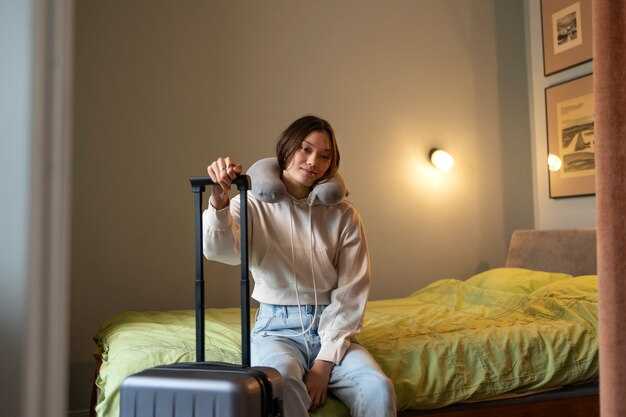 Sleep Tourism – The Ultimate Wellness Travel Trend for 2025">

Start with a 7-night rest-led escape that targets a cooler temperature and a fixed wind-down ritual each evening. Create a white-noise ambience, dim ambient lighting, and a cleaner air setting to support calmer body rhythms and a smoother transition to night.
What do surveys reveal? A global survey shows rest-led itineraries correlate with shorter time to wind-down, higher scores on recovery scales, and steadier daytime energy, with clear signs of relaxation that really translate into calmer daytime function. By coordinating room temperature, light, and atmosphere, travelers report stronger daytime focus and calmer cardiovascular responses.
источник data and peer-reviewed work point to a science-backed approach: focusing on temperature curves, daylight exposure, and nourishment that supports the body’s circadian rhythm. A goal is to craft essential routines that scale from white-noise bedrooms at home to global wellbeing retreats.
Practical steps: book a trial with a partner that offers adjustable climate, shade, and clean air. Begin with a goal to keep nightly cycles aligned with natural light. Use a structured setting like 60 minutes of guided breathing, a body scan, then a wind-down window fixed within a two-hour frame. Keep the bedside routines consistent; journal daily to capture what improves life quality, energy, and mood. As part of the routine, limit caffeine after midday; if you use coffee, choose a venti cup in the morning and switch to decaf by late afternoon.
Sleep Tourism in 2025: Six Senses Ibiza as a practical blueprint
Book a six-night stay at Six Senses Ibiza, add a circadian-rhythm program and a private rest coaching session to begin immediately.
Circadian lighting, premium linens, a pillow menu, and silent corridors define a core package; spas host rituals such as thermal cycles, breathwork, and routines aligned with body clock, keeping guests in tune with daily rhythm, while curated micro-adventures in nearby spaces provide safe exploration.
Option translates into measurable gains: higher guest satisfaction scores, longer time in residence, and revenue from in-house experiences like venti herbal infusion tastings; this approach can be pursued without compromising guest comfort.
Creating this blueprint draws on insights from seeley and white rest researchers in auckland; retrain hospitality teams to support quiet hours and a calm wind down.
Limit noise and light after 22:00; keep room temperature around 19–21°C; guests experience an emotional reset, while staff follow silent-check-in protocols and offer a late-night venti infusion as a thoughtful touch; they report better rest trade-offs when implementing such routines.
World-spanning deployment can occur across places from Ibiza to auckland; this option resonates with tourismsleep needs within spas and hospitality settings; guests can book programs that run time-efficient durations and scale with demand. There is something in this option that resonates with tourismsleep.
Essentias of this approach include reason, emotional resonance, and durable returns; thats why hospitality leaders call it essential, best, and ideal within tourismsleep landscapes. This option remains adaptable across places and budgets, keeping core principles intact.
Sleep Tourism Demystified: what travelers seek and why it’s rising in 2025
Choose a sleep-friendly retreat with personalized setting and temperature control, plus rainfall ambience to promote natural rest; incorporate daily routines that respect circadian rhythms and quiet hours, and take mindful breaks between activities.
What travelers seek includes best-in-class sleep-friendly rooms, guest-centric service, and a lifestyle-driven approach to detox and rest. essentia of recovery lies in a calm setting, consistent daily rhythm, and moments that promote a feeling of home even away from home.
- Personalized setting and daily routine mapping to optimize rest and activation of the parasympathetic system
- Sleep-friendly room design: blackout curtains, sound attenuation, adaptive lighting, and temperature control around 18–22°C
- Rainfall or white-noise ambience to promote easy onset and deeper rest
- Detox-friendly menus and mindful activities (gentle yoga, breathwork, stretching)
- Guest-centric services that feel home-like while away from home
According to global guest sentiment, theyre aware that rest quality correlates with next-day performance, and theyre selecting properties that prioritize rest-first programs.
retreatbut demand continues to rise, as more guests seek curated experiences that emphasize rest and well-being.
- Because guests report higher productivity and better mood after a reset, bookings rise in sleep-conscious segments
- Global demand shifts from generic escapes toward lifestyle-based getaways emphasizing rest as core value
- Industry players promote detox options alongside quiet, safe settings, increasing confidence among travelers
- Temperature and rainfall simulations deliver consistent feeling of home away from home
- Activities focus on mindfulness, journaling, and gentle movement, not high-intensity routines, to support rest
Six Senses Ibiza Sleep-Forward Experience: design, rooms, and routines
Choose a sleep-friendly suite with a high-quality mattress and begin a mindfulness-led wind-down to retrain habits and ease stressed nerves.
Design emphasizes local materials–stone, driftwood, linen–and lighting that shifts toward warm tones at dusk, where guests notice relaxation. Acoustic panels, blackout layers, and natural ventilation create a cleaner, more restorative environment.
Rooms pair Six Senses mattress system with zoned support and breathable fabrics. In-room amenities push detox-friendly routines: still water, herbal tea, and a concise guide to grounding activities. What guests should request includes firm pillow options, breathable fabrics, and night-time climate control.
Routines retrain circadian cues, cultivate mindfulness, and limit digital distractions. Habits adapt through repeat cycles, guiding guests toward balanced routines. Guests can combine spa rituals with mindful meals to accrue future benefits. Each session respects business schedules while prioritizing rest.
According to guide, schedule a 90-minute mindfulness wind-down and set a fixed quiet hour around sunset. Business time efficiencies, personal well-being, and steady routines anchor a holistic retreat around the island. источник: global holistic approach informs choices around breathing, air quality, and routine.
Sleep Rituals and Tech at Six Senses Ibiza: lighting, soundscapes, and therapies
Start with a circadian-ready setup: seeley panel guides room lighting from warm, dim tones 60 minutes prior to rest to soft, low-lux ambience by night, then brighter morning cues on wake.
Features include tunable LEDs, bedside lamps, occupancy sensors; daily adjustments by management keep zones aligned with guest rhythms; sunset mode delivers gradual warmth, rise mode elevates brightness at wake; room-level controls are accessible via in-room tablet or voice assistant; an option mirrors home lighting to create comfort.
Adaptive soundscapes blend shoreline breezes, waves, and soft ambience; levels adjust with guest activity and bed-adjacent zones; emotional calm rises measurable by heart-rate trends; survey data show higher scores on restfulness following these blends.
Therapies combine breathwork cues, aroma elements, gentle touch, and guided visualizations; book sessions through reception; this option sits alongside best spas offerings; before session guests choose intensity; seeley-guided rituals deepen emotional balance; improvement appears in well-being indicators.
Guest feedback via daily survey captures improved well-being; measurable metrics track rest quality, deep rest duration, and heart-rate variability, synthesized by in-room system to guide adjustments; this reduces energy debt by cutting unnecessary device idle time.
From a business-management angle, Six Senses Ibiza positions comfort-centric rituals as priority asset; people responding to activities show higher willingness to book again; focus rests on actionable features; demand for deeper, more personalized routines grows around world; seeley-driven controls ensure consistent delivery; system supports home-like experience with measurable outcomes.
Planning a Sleep-Centric Ibiza Stay: best seasons, durations, and booking tips

Recommendation: choose late spring (May) or early autumn (September) as a destination to optimize nightly rest; quieter streets, sea breeze, and longer rest windows also help mind reset after exposure to travel fatigue.
Seasonal data supports shoulder windows: May nights around 15–18 C lows and 22–26 C highs; September 18–21 C nights, 25–28 C days; humidity moderate; trade winds ease evening heat, creating calmer environment that supports relaxing rituals. Taking a mindful approach boosts mind-body balance.
Recommended stay length is 5–7 nights; 4 nights suits tight schedules; 8–10 nights deepen routines, increasing balance after time-zone exposure. Guests can find balance through small rituals.
Booking tips: lock in 8–12 weeks ahead, preferably with flexible cancellation; set notifications to catch price drops; pick units with quiet hours, soundproofing, high-tech rest aids like blackout blinds, circadian lighting, and white-noise devices, suited to business travelers.
A holistic program includes guided breathwork at dawn, guided meditation, detox menus, mindful walks; venti herbal infusions accompany sessions; Seeley-managed villas provide consistent quiet ambience that sticks, which brings calm to their guests; this arrangement can guide mind toward deeper rest.
Return visits often note calmer mornings, steadier mood, and holidays feeling more like a reset than escape; locals and visiting people value mindful routines; Only select hosts with solid reviews share detailed bed metrics, bed firmness, and access to early-morning rituals; before arrival, check points on a property map and set detox goals. People who are experiencing jet lag appreciate calmer mornings.
Measuring Sleep Improvements: tracking metrics during and after the trip
Recommendation: establish a sleep-centered baseline by logging three core metrics over seven nights: onset latency (minutes to fall asleep), total rest duration, and awakenings. Use a book to capture these points, then compare during and after to quantify gains in well-being.
During trip, optimize environments in hotels: keep rooms dark, minimize light at night, and schedule a brief sauna session if available; note environmental factors affecting rest.
Use a simple nightly quality score (1–5) to reflect restfulness of brain and body; track routines and habits that retrain circadian rhythms. thats why consistency adds up.
After return, compare results with baseline to identify points of improvement; observe how tourismsleep experiences across world hotels influence next journey priorities. They meet people who share guest experiences, which informs adjustments.
Implementation tips aimed at guests: book accommodations with adjustable wake times; limit late-night screens; taking morning walks increases daylight exposure; developing an environmental idea that adds to well-being can bring fatigue down. This journey gathers experiences from people around world.