


 Nederlands
  English (UK)
  Русский
  العربية
  日本語
日本語  한국어
한국어  Magyar
  Türkçe
  Español
  Čeština
  Svenska
  Português
  Ελληνικά
  Suomi
Suomi  Română
  Italiano
  Français
  Polski
  Українська
  Deutsch
  简体中文
简体中文  Slovenčina
  7 Essential Life Lessons I Learned from Gilmore Girls">

Spreek elke ochtend hardop één intentie uit en houd je er de hele dag aan; schrijf het doel op een post-it en bekijk het tijdens de lunch. Deze kleine, praktische stap past in een levensstijl consistentie waardeert en demonstreert wat een schrijver kan doen, wanneer kleine daden ertoe doen en het ritme van een dag standhoudt.
Zien hoe een geliefd TV-verhaal zich vertaalt in echt gedrag, ervaar ik zelf als een schrijver notities aangaande beknoptheid verhaal: zijnde bewust overleggen met kleine rituelen creëert een momentum. De vuur van intentie groeit, bijna hoorbaar, zeg maar teksten Je neuriët tijdens het koken. Recent dagen laten zien dat elke kleine daad weerklinkt door de dag en tot in de avond.
Wanneer je met intentie spreekt, onthullen zaken zich; een teken verschijnt in je routine. Bezig met. wordt een techniek, geen gebaar. Naar deze week vraag je je af of een keuze helderheid zou brengen en of het wrijving zou kunnen verminderen, zelfs als de opbrengst bescheiden is; er ontstaat een stil vertrouwen.
De zeven conclusies vertalen zich in concrete stappen: voer rustige gesprekken met jezelf; blokkeer 10 minuten voor een creatief micro-project; houd een minimalistisch notitieboek bij en reflecteer wekelijks; vier kleine overwinningen met een simpele beloning; kies micro-gewoonten die dagen overstijgen; laat humor de druk verzachten; en doseer jezelf naarmate de winter het daglicht beperkt, en merk op hoe wijnstokken Routine begint langzaam andere gebieden van het leven binnen te sluipen.
Recente experimenten tonen meetbare verschuivingen: uw spreektoon verbetert, deadlines voelen behapbaarder en de focus wordt langer. Het kernprincipe is om herhaalbare stappen te bouwen die standhouden te midden van drukke periodes, in plaats van dramatische veranderingen na te jagen. Als u zich verbindt aan één actie per dag, vermenigvuldigt u verandering op manieren die u kunt zien. mezelf weken lang.
Gilmore Girls en “She Used To Be Mine”: Een praktische handleiding voor meisjes
Begin elke dag met een huiselijk ritueel van moeder-dochter storytelling om je stem te gronden en je grenzen te stellen.
Wie naar programma's over veerkracht kijkt, leert dat verdriet na verloop van tijd kan worden verwerkt zonder je gevoel van eigenwaarde te verliezen; gebruik dat inzicht om gesprekken aan te gaan met moeders en zussen.
In het Chilton-hoofdstuk van een typisch verhaal kan het verlaten van een gestructureerde routine zwaar aanvoelen, maar de nachtelijke gesprekken creëren ruimte om te onderzoeken wat je leuk vindt, wat je moet veranderen en hoe je eerlijk met risico's zou omgaan, niet met bravoure.
Maak je dagelijkse reflecties concreet: noem drie dingen die je zult doen, drie dingen die je zult vermijden, en één manier waarop je iemands anders gezichtspunt zult openen - deze oefening helpt je bij grotere beslissingen, maar blijft toch thuis geworteld.
Gebruik storytelling om hartzeer om te zetten in groei; je zult zelf beseffen dat verandering je waarden niet uitwist, maar ze juist versterkt, waardoor ze zichtbaar worden, definitief en met zorg.
Als de last van de verwachtingen zwaar begint te wegen, benoem het dan; moeders en mentoren kunnen je helpen je ogen te openen voor opties die je hart trouw houden.
Daarom is een simpel ritueel belangrijk.
| Oefening | Impact | Concreet voorbeeld |
|---|---|---|
| Nachtelijke open gesprekken | Bouwt vertrouwen en zelfvertrouwen op | Wat heb je vandaag over jezelf geleerd? |
| Drie-item journaling | Verduidelijkt prioriteiten | Taken: * De was doen * De afwasmachine uitruimen * De hond uitlaten Grenzen: * Niet onderbroken worden tijdens mijn werkuren * Niet verwachten dat ik boodschappen doe na 20.00 uur * Niet lenen van mijn auto zonder toestemming Mijn excuses aan: Ik bied mijn oprechte excuses aan aan mijn buurman, meneer Jansen, voor het per ongeluk raken van zijn raam met een voetbal. |
| Verhalen vertellen om hartzeer te verwerken | Verandert pijn in inzicht | Ik ben een beetje zoals Dwight Schrute vandaag. In een aflevering van The Office probeert hij een brand te stichten om te zien of zijn collega's wel paraat staan. Niemand weet wat te doen. Chaos alom. Zo voelde mijn ochtend ook. Alles leek mis te gaan, alsof iemand de boel in brand had gestoken, figuurlijk dan. |
7 Practical Life Lessons From Gilmore Girls and “She Used To Be Mine”
1. Start with one concrete move: tell someone you appreciate them today. Do this as a quick note or call; such moments moved hearts and teaches patience. That moment reminded you to slow down. The show’s warmth reminds you to savor everyday warmth, while the sound of sookie’s chatter hints at how small talks can brighten a day. This action probably takes minutes, yet it carries much value and leaves people smiling.
2. Let the mother-daughter dialogue remind you how speaking with care teaches trust. Those exchanges show that listening is louder than quick answers; it’s about reading a room and choosing the right moment. Probably the simplest habit is to pause before you respond, especially with young relatives or close friends. And remember: the grandparents’ stories remind you that patience compounds trust.
3. Set boundaries around gossip and let the sound of chatter carry respect, not rumor. In a town where gossip flows, you can choose not to participate. That choice definitely protects people’s feelings and keeps your own heart intact. When you hear rumors told with a wink, you can respond with a simple, kind remark or change the subject.
4. Heartache is a teacher that helps you choose words carefully. When relationships hit rough patches–like the arc with jesse–you figured out how to bring honesty without crushing trust. Mean comments hurt both sides; speak with clarity, and give space for healing. The aim is to defuse tension instead of inflaming it.
5. Grandparents’ steadiness reminds you to listen more than you push. Those older voices taught resilience and careful judgment. They figured out how to keep a family grounded during difficult times, and their stories told you that love endures beyond chaos. Use their guidance to move toward calmer choices, especially when demands from others feel loud.
6. The music of bareilles gives a mirror for self-worth and a reminder to speak truth to your own heart. The song definitely lands where ambition and fear collide, yet it keeps you honest about your own value. Listen for the line that tells you you deserve a perfect blend of courage and kindness. Let the melody remind you to bring your best, even when doubt speaks loud.
7. When conflict surfaces, speak with care while keeping your own boundaries intact. Recognize heartache in the moment, move past blame, and bring forward a constructive reply. Meanwhile, those who care–people you trust–probably told you the same thing in different words. If you keep your tone steady, you’ll likely defuse tension and leave room for real conversation.
Turn “She Used To Be Mine” lyrics into daily affirmations
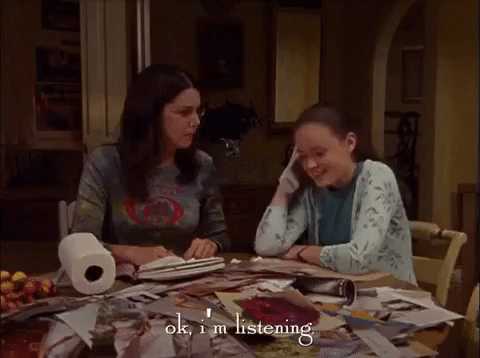
Make a quick morning ritual: coffee in hand, translate one emotional thread into a daily affirmation you can repeat aloud.
I havent let heartache and fear steer my day; I replace them with a concrete line I say with conviction.
I realize my imperfections and choose courage over fear.
I figured out a method to turn hard moments into something meaningful, across busy days.
My voice shows up across tasks; I wear lipgloss as a small reminder that self-care fuels making progress.
There is a flaw I carry, and that doesn’t erase my value; I bring purpose to each show I choose.
This helps me accept imperfect moments and keep making forward steps; I am seen for steady effort.
There is gossip; I tune it out and keep my attention on what I sent into the world.
Erosion of doubt happens slowly; I guard momentum and see risk as a signal to try bigger steps.
Mama wisdom whispers: you are enough, even when imperfections show.
Across light and tasks, I show resilience in my field, turning creativity into daily making.
Set one boundary this week, inspired by Lorelai
Set one boundary this week: no interruptions after 7 pm.
Prepare a single line to communicate if needed: “Evenings are reserved for focus; I will respond tomorrow.” Using this approach trains your independent stance and shows you mean what you say; you grew more confident, definitely, and definitively shaping how you think about boundaries. If you haven’t tried this stance yet, start with one evening and see how it goes.
Keep a tiny ritual to mark the moment: a lipgloss touch, a bareilles playlist with hopeful lyrics, and a quick glance at your skin before you speak. This polish signals calm and readiness and helps you stay centered when friends or parents ask for more than you can give. That boundary is needed to reclaim rest and pace.
Winter evenings can be a test of will, but these habits make it beautiful. Almost every chat can watch your tone, and if someone presses, you could restate your boundary briefly. This process taught you to respect your limits.
| Boundary | Actie | Why it helps | Signals |
|---|---|---|---|
| After 7 pm interruptions | Deliver a one-liner script and mute non-urgent alerts | Creates predictable evenings, reinforces independent stance | Consistent replies, calmer mood |
| Weekend commitments | Block time for personal growth and social time | Prevents overload, keeps balance | Less last-minute asks |
| Chats with parents | Use a kind boundary: “I appreciate support, I can’t handle extra tasks during dinner” | Preserves respect while clarifying limits | Clear expectations, less friction |
Schedule time for self-expression and creativity
Block an entire 60-minute window each week for self-expression and treat it as non-negotiable; place it in your calendar before every other task, and commit to it. This must feel like a personal contract you keep with yourself, not a casual extra activity.
Choose a repeatable format: journaling, sketching, songwriting, cooking, or photography. Set up a quiet corner at home with basic supplies, and add a low-volume playlist that creates a calm sound. Keep the room sound minimal and the session focused on process, not perfection, and use an educational prompt to spark direction. Tell everyone in the home to respect the time.
Prepare materials the day before: notebook, pencils, paints, camera, or a laptop for digital expression. Decide a weekly theme and a simple goal–mostly something achievable in one session. Before you start, briefly outline what you want to explore and what you hope to feel when you finish.
This habit teaches you to value your own voice; it taught me to listen to inner cues and that thats okay. It also helps you process moments with family, rather than letting gossip hijack attention. What was taught by steady practice becomes part of your voice, and your understanding grows with experience.
When you compare, it doesnt help. dont fall into the trap. Instead, use a three-line reflection: what you did, what you felt, and one next-step. The approach keeps the activity educational and helps you learn continuously without overthinking.
Keep a simple log: date, medium, duration, and a single takeaway. This record supports learning and provides a clear sense of progress you can review during the long winter evenings at home, though the day is busy. Even for the experienced, it adds a fresh constraint that keeps growth happening.
In a week, try a series prompt: pick a favorite scene and translate its mood into color, words, or a quick recipe; the exercise stays with you and informs how you think about daily moments with family.
Finally, measure impact and adjust: monthly, note one change in thinking, one technique to improve, and one new idea to try. That understanding builds resilience, and you’ll feel more in control of your creative experience, even on cold evenings.
Practice speaking your truth in tough conversations
Speak your truth with one clear, actionable ask in the first moment.
- Prepare a make-shift script that uses I statements: “I feel overwhelmed when deadlines pile up, and I need us to reallocate tasks.” Keep it concise so the listener can respond without defensiveness, almost like a spine line you can repeat, and polish it after rehearsal.
- Ground your message in personal experience: having lived through periods of high pressure, use storytelling to illustrate the impact. Bring a concrete example to the table, those moments that hold meaning and demonstrate why change is needed.
- Keep tone steady: look the other person in the eyes, ensure your voice sounds calm, and avoid sarcasm. Meanwhile, watch for tension cues, pause when needed, and definitely keep the sound authentic.
- Set precedent: explain that this method creates a precedent for future talks and helps both sides stay productive. Position the talk as a problem to solve together rather than blame; meanwhile, season the exchange with patience, and bring those needed outcomes to the table.
- Offer actionable steps and invite collaboration: propose a concrete next step (check-in next week, reallocate responsibilities, or reassign deadlines) and polish the plan with input from the other person. Mostly present options so they feel engaged and can contribute to the best possible result.
- Use a mini metaphor or a song-like beat: your lines can echo like a few lines of songs, but avoid copyrighted lyrics. Write in your own words to keep the cadence authentic; those phrases should sound personal and unpolished, not borrowed.
- Close with a concrete follow-up: recap what you heard, restate the needed, and bring this into the calendar; this keeps momentum and makes sure something tangible holds in place for both of you.
Channel ambition into a realistic, small goal plan
Open yourself to a single, realistic milestone you can finish in a week. Write it as a tight sentence with a numeric target and a fixed deadline, then place it where you will see it daily.
Break the milestone into micro-actions that are easy to complete. Each day, complete one step and check it off. If you miss, reflect on heartache you felt after the misstep and realize where the flaw hides, adjust the plan, not yourself.
Anchor the routine to recognizable moments: after a meal, during a 15-minute break, or while watching an episode. Let lukes and sookie reminders keep things simple, reminding you that the entire process can grow beyond a single effort. Use a weekly cadence to raise asks and keep it persoonlijk and manageable.
There is less pressure when you frame goals as personal experiments you loved during a season. Track progress across years, noticing what changed and what held you back. If a step brings you closer to enough progress, send yourself a quick note and celebrate the small win.
Eliminate deviled shortcuts and fruity detours: focus on a plan that is enough to sustain momentum. A short, honest check-in sent to your own phone or notebook helps you stay true to that imperfect but real plan, and that change is built on small, consistent effort.
Use humor to cope with setbacks and stay resilient
- Take 60 seconds to turn a setback into a tiny joke and move on; this year isnt about losing, it is becoming, you bring passion, being stronger, leaving fear behind, right and mostly resilient.
- Identify whos in your corner, those who bring coffee and patience; involve family, people, and even co-workers to share the load.
- If chaos hits in the kitchen, turn it into dinner prep humor: name the mishap, crack a deviled egg pun, plate it, and watch a smile brighten home life.
- Keep a quick log of recent setbacks: note what you can salvage, how passion fuels you, and how the whole experience improves your voice over time; being aware of those small wins makes you less ruled by fear.
- Keep a bareilles vibe in your head and use that voice to reframe the moment; it ties your arts and your humor together, adding lightness without dismissing the pain.
- Involve a small ritual with mama energy: flip a coin to choose the next tiny task, then move on to it; you’ll find good momentum mostly.