Редакция GetCelebrity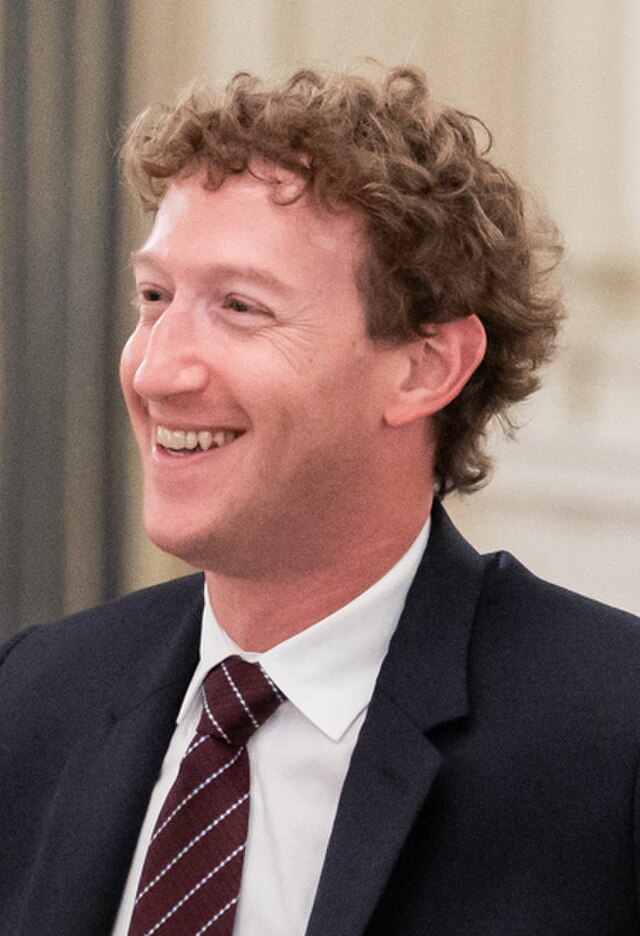
| Дата | Событие |
|---|---|
| 2004-02-04 | Марк Цукерберг вместе с соседями по комнате Крисом Хьюзом, Дастином Московицем и другом Эдуардо Саверином запустил Facebook из своей комнаты в общежитии Гарварда как онлайн-каталог для связи студентов колледжей.[6] |
| 2006 | Facebook расширился на широкую публику, что привело к быстрому росту пользователей до более 100 миллионов к 2008 году.[1] |
| 2012 | Facebook приобрел Instagram за 1 миллиард долларов, установив доминирование в мобильном визуальном контенте.[1] |
| 2014 | Facebook приобрел WhatsApp за 19 миллиардов долларов и Oculus VR, расширившись в приватные сообщения и виртуальную реальность.[1] |
| 2021-10-28 | Марк Цукерберг объявил о ребрендинге Facebook в Meta Platforms, Inc., сигнализируя о стратегическом повороте к метавселенной.[1] |
| 2022 | Акции Meta рухнули после первой потери пользователей, но Цукерберг удвоил инвестиции в метавселенную несмотря на убытки.[2] |
| 2023 | Meta запустила Meta Quest 3 и представила ассистента Meta AI для WhatsApp и Messenger на фоне рекордных убытков Reality Labs.[2] |
| 2026-01-28 | Meta объявила финансовые результаты за 4-й квартал и полный 2025 год с выручкой более 200 миллиардов долларов, рост на 22% по сравнению с предыдущим годом, позиционируя для расширения ИИ.[3] |
Та ставка в общежитии на миллиард долларов
Перемотаем вперед, и Цукерберг уже переписывает правила. В 23 года в 2008-м он получает титул самого молодого самоученного миллиардера в мире, парень из Уайт-Плейнс, штат Нью-Йорк, который ковырялся с компьютерами со школьной скамьи.[2] Facebook больше не просто сайт; это пульс социальной жизни, с рекламой, которая проникает, чтобы монетизировать связи. Но Цукерберг метит в более крупную рыбу. В 2012 году он сбрасывает 1 миллиард на Instagram, захватывая приложение для обмена фото с фильтрами и лентами, запирая мобильный рынок до того, как конкуренты запустятся.[1] Умный ход — сторис и рилсы Instagram теперь подпитывают хватку Meta за внимание.
Два года спустя, в 2014-м, начинается spree приобретений. WhatsApp падает за 19 миллиардов долларов, чат-приложение с шифрованием, которое шепчет секреты через границы, притягивая миллиарды, избегающих публичных постов.[1] Затем Oculus VR присоединяется к семье, первая настоящая ставка Цукерберга на виртуальные миры, очки, обещающие побег от плоского экрана.[1] Классический Зук: заметь пробел, купи мост. К этому моменту его состояние вздувается — 108 миллиардов долларов по состоянию на сентябрь 2023 года, занимая 10-е место в списке богатейших, рядом со старыми деньгами и нефтяными баронами.[1]
Империя гудит, но трещины видны. Пользователи достигают скорости убегания, ежемесячные активные превышают численность любой нации, но скандалы с приватностью и корректировки алгоритмов бурлят котел.[1] Цукерберг свидетельствует перед Конгрессом, в худи и все такое, защищая платформу как король-основатель. Но машина печатает деньги — пока не перестает.
Рулетка ребрендинга
28 октября 2021 года: Цукерберг выходит к микрофону, ребрендирует всю операцию в Meta Platforms, Inc.[1] Facebook остается, но теперь это всего лишь шестеренка в мечте о метавселенной, цифровой границе, где аватары бродят, а экономики расцветают в VR. Звучит как научная фантастика, да? Но Зук вливает миллиарды в это, Reality Labs истекает кровью, даже когда основной рекламный бизнес печатает деньги.[2]
2022-й испытывает сталь. Впервые пользователи падают — акции рушатся, шепот о перегибе становится громче.[2] Meta увольняет более 11 000 сотрудников в ноябре, жестокую чистку в истории Долины.[1] Но Цукерберг вгрызается, удваивая ставки на метавселенную среди руин. Это взгляд игрока: все на VR, когда TikTok кусает за пятки, а Apple корректирует приватность, вредя таргетингу рекламы.
В 2023-м вступает в силу устойчивость. Meta Quest 3 выходит, более sleek шлемы для верных, в то время как ассистент Meta AI проникает в WhatsApp и Messenger, болтая с пользователями как цифровой напарник.[2] Убытки в Reality Labs нарастают — рекордные, те, что заставляют инвесторов дергаться, — но поворот намекает на гибридные будущие, смешивая социальное с симулированными мирами.
"Я думаю, простое правило бизнеса — если вы сначала делаете вещи, которые проще, то вы действительно можете добиться большого прогресса."
— Марк Цукерберг, 30 августа 2016 г.[12]
Эта цитата из 2016 года? Теперь она звучит иначе. Легкие победы построили фундамент — соединять друзей, делиться фото, — но сложные вещи, вроде лунных выстрелов в метавселенную, проверяют правило. Цукерберг не дрогнет.
Фасад филантропии
Среди битв в зале заседаний Цукерберг играет в долгую игру вне смены. Он и жена Присцилла Чан обещают большие суммы: 20 миллионов долларов на Education Super Highway 19 ноября 2015 года, проводя broadband в школы.[3] Их семейный фонд сбрасывает 100 миллионов в AltSchool в тот май, поддерживая техно-стартап в образовании, стремящийся переосмыслить классы.[3] Это не просто чеки; это Зук, направляющий этику "соединить всех" в реальные пробелы мира. Критики называют это полировкой имиджа для компании под огнем, но ходы накапливаются — Chan Zuckerberg Initiative позже вливает миллиарды больше, хотя это за пределами этих снимков.
Вернемся к сути: февраль 2023 года видит, как Meta одобряет выкуп акций на 40 миллиардов долларов, голос доверия, когда акции шатаются.[1] Это дзю-дзюцу Уолл-стрит, подпирающее ценность, пока метавселенная тает горячие. Перемотаем к 28 января 2026 года — Meta отчитывается за 4-й квартал и полный 2025 год: выручка более 200 миллиардов долларов, скачок на 22% по сравнению с предыдущим, глаза на ИИ, чтобы поднять следующую волну.[3] Прогнозы, конечно, но они рисуют дугу Цукерберга: от хакера в общежитии к архитектору империи, всегда на один коммит кода впереди.
Парень, который закодил Facemash как шутку в 2003-м — за что его забанили с серверов Гарварда, — превратился в это.[3]
Он изменил, как мы соединяемся.
Но вот загвоздка: охват Meta затмевает правительства, но видение Цукерберга склоняется к эскапистским технологиям вместо исправления разрывов, которые она усиливает. В убытках и увольнениях 2023 года вы видите цену этой амбиции — рабочие места ушли, ставки, которые могут сдуться. Но с ИИ, шепчущим в чатах, и шлемами Quest на полках, империя расширяется.
Отойдите подальше, и это дикая поездка. Facebook начинался как инструмент для флирта в колледже, теперь это Meta, вплетающая VR-мечты в ежедневные скроллы. Богатство Цукерберга цементирует его место среди элиты, но настоящая история в компромиссах: доверие пользователей подорвано ради рекламных долларов, инновации преследуются за счет сотрудников.[1][2] Падение пользователей в 2022-м? Пробуждение, возможно, но ответ Зука — больше метавселенной — кажется defiance, обернутым в судьбу.
Край империи
Та billionaire-значок 2008 года? Он пришел быстро, но поддерживать его требует стойкости. Приобретения вроде Instagram и WhatsApp не были удачей; это были шахматные ходы в игре, где данные — королева.[1] Oculus намекнул на будущее, а ребрендинг Meta удваивает, даже когда колебания акций напоминают всем: техно-боги истекают пикселями.
Увольнения ударили сильно — 11 000 душ в '22, часть переоценки Долины после пандемического бума.[1] Цукерберг называет это эффективностью, но оно эхом отдается по кампусам, где Facebook когда-то заманивал таланты. Затем выкуп: 40 миллиардов, чтобы поднять акции, классический ход, когда рост заикается.[1] Это бизнес, холодный и расчетливый, подпитывающий машину, которая питает его гнездо в 108 миллиардов долларов.[1]
Филантропия смягчает края. 20 миллионов на Education Super Highway? Это мостит цифровые разрывы, иронично эхом отзываясь оригинальной миссии Facebook по соединению.[3] Вливание 100 миллионов в AltSchool поддерживает технику персонализированного обучения — Зук замечает образование как следующий фронтир, или отмывает влияние, в зависимости от вашего цинизма.[3]
Запуски 2023-го поддерживают импульс: Quest 3 для иммерсивных погружений, ассистент ИИ для seamless толчков в сообщениях.[2] Reality Labs теряет по-крупному — десятки миллиардов, говорят репортажи, — но это ставка на R&D завтрашнего дня.[2] К концу 2025-го выручка переваливает за 200 миллиардов, ИИ как новый двигатель.[3] Правило Цукерберга из '16 звучит верно: закрепи легкое, возьмись за трудное.
Ему теперь 40, отец троих, все в худи, рулит кораблем, плывущим по морям пользовательских данных.
Честный взгляд в том, что империя Цукерберга процветает на двойном лезвии связи — единство и изоляция в равной мере. Сделают ли ИИ и метавселенная заживление этих порезов или углубят их, это ставка, которая еще играет. В итоге, он не просто строит платформы; он перестраивает реальность, одно обновление за раз. Невольно задумываешься, понравится ли нам версия, которую он закодит следующей.
Источники