


 Slovenčina
  English (UK)
  Русский
  العربية
  日本語
日本語  한국어
한국어  Magyar
  Türkçe
  Español
  Čeština
  Svenska
  Português
  Ελληνικά
  Suomi
Suomi  Nederlands
  Română
  Italiano
  Français
  Polski
  Українська
  Deutsch
  简体中文
简体中文  Adrian Grenier – From Hollywood Hustle to Texas Farm Life">

Odporúčanie: Start with a concrete plan: commit to a 7-day schedule that allocates minutes to farming tasks and minutes to film-related work, then measure which activities deliver tangible results felt across the daily routine.
Inside the daily family routine, the shift reveals how lives adapt, which demonstrates how resilience grows; the actor who once carried a loud schedule now balances quiet farming with public attention. In kids moments, tasks are simple, yet meaningful: feeding chickens, watering rows, counting minutes in the field. This is particularly evident with kids in the field. The news cycle can swing quickly; you can see the golden moments when collaboration alters the day for better outcomes. Mention the change as farming practice builds a durable routine, one that carries through inside family routine, and that can be more resilient than the frantic pace of studio hours.
Which strategy works best: adopting a public-facing profile that emphasizes sustainable practice, or a private routine that prioritizes soil health? The answer: aptly combine both, using news updates to share progress while keeping the core farming work private. The daily rhythm includes breaks: minutes spent in shade, fruit samples from the orchard, and deal decisions about gear and seed. The tone stays grounded, inside the shed, where family values shape every choice, and where the pace is measured than a red-carpet week.
During profiles reviews, the news coverage often frames the shift as a retreat, but the person behind it would argue it’s a deliberate redefinition of purpose. The profiles show lives that value soil, weather, and labor, not just glamour. The deal this person makes with themselves and the audience favors authenticity: carry the lessons from agriculture practice, and let your work carry you toward richer, more productive days. Avoid smegma-filled rumors that cloud clarity; dont let the noise from the news derail your focus. Minutes of reflection turn into long-term gains.
Adrian Grenier’s Texas Ranch Transformation: A Practical Editorial Plan
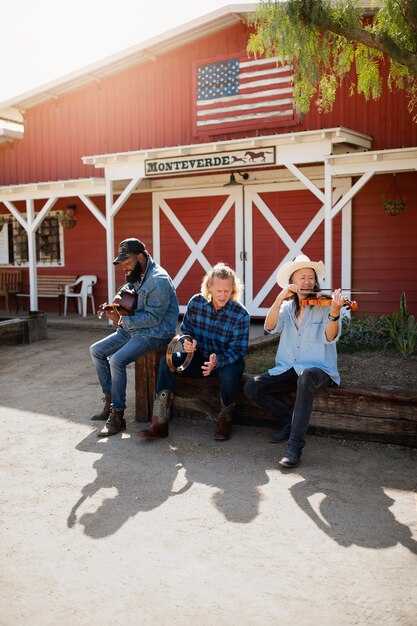
Decided six-week sprint for editorial output: three weeks on-site capture, two weeks in post, one week rollout. earle and arnett act as field partners, letting eric and david run interviews, assemble B-roll, and draft captions. The strategy is smart and grounded in data, knowing your audience drives formats, tone, and distribution. The plan keeps the workflow tight, with clear roles for partners and local contributors whose girlfriends and neighbors lend context.
Content pillars center on sustainable land care, hands-on craft, and community storytelling. Williams and other local experts provide guidance to avoid missteps; going forward, the team looks for authentic moments, avoiding hype and unnecessary speed. Minutes of review ensure alignment; if a scene feels risky, the plan lets editors adjust without losing the core message. yucko moments are avoided, and the team focuses on clear visuals and care for the land. heres a concise plan to follow.
The operational edge relies on a lean asset library, a shared brief, and weekly check-ins. Decided budgets allocate resources for production, post, and targeted distribution. Partners coordinate through a centralized dashboard, and letting your content reflect real places helps credibility. This approach invites eric and david to document progress while others contribute feedback, making it possible to scale with new collaborators over time and to reach anyone interested in rural living and craft.
| Phase | Actions | Timeframe | KPIs | Partners |
|---|---|---|---|---|
| Phase 1 | Site scouting, stakeholder mapping, 2 site walks; 6 interviews; 15 min B-roll; asset list | Weeks 1–2 | 3 story leads; 2 social cuts | earle; arnett |
| Phase 2 | Long-form shoots (10–12 min); 6 micro clips (60–90s); captions draft | Weeks 3–5 | Retention >60%; share rate up 25% | eric; david |
| Phase 3 | Distribution launch; audience surveys; plan adjustments | Week 6 | Engagement +20%; 2 winning formats | partners; the team |
Implementing Water Conservation on Grenier’s Texas Ranch
Install a rainwater collection system with 20,000–30,000 gallons of storage, a solar-powered pump, and a drip irrigation network to support livestock troughs and pasture irrigation. Include a first-flush diverter and sediment filters. Estimated cost ranges from $8,000 to $20,000 depending on tank material and trenching; payback typically 3–5 years through reduced mains-water use and improved forage yield.
Split the system into two circuits: one for drinking water and one for irrigation. Use separate backflow protection and valves; aim for 8–12 psi at troughs and 10–15 psi in irrigation lines with a small booster if needed. Place tanks near the living and working areas for easy access; the greniers family found this approach straightforward and scalable. serena would emphasize practical, everyday maintenance as the key to long-term success.
In texas climate, water security is vital. To maximize resilience, couple available monitoring with a field-plan; monitor rainfall, tank levels (level globes), and soil moisture. A simple dashboard can trigger irrigation based on soil-moisture thresholds and weather forecasts.
Be wary of fake endorsements; verify performance with third-party tests and pre/post readings. Also, document results to build a transparent record that anybody can follow, including neighbors in york, and keep politics focused on shared public benefits rather than hype.
- Catchment and storage: roof area × rainfall × 0.623 = annual yield. Example: a 2,000 ft² roof with 20 inches of rain yields ≈ 24,900 gallons/year. Size storage to cover 2–6 months of drought; 30,000 gallons is a solid target for mid-size ranches.
- Water quality and safety: install screens, a first-flush, sediment filter, and optional UV treatment if water is stored for extended periods. Use globe-level floats to maintain stable levels and prevent overflow.
- Distribution and pump: select a solar pump around 15–25 GPM; add a pressure regulator and backflow preventers to protect drinking water; keep irrigation lines separate from trough supply (split system).
- Livestock management: design troughs with wide, easy-clean basins; ensure shade and windbreaks; use drip or sprinkler zones to reduce evaporation near watering points.
- Pasture and soil health: apply drip lines in key paddocks; calibrate emitter flow to a target of 0.2–0.5 gallons per square foot per hour; time irrigation to early morning or late afternoon to reduce evaporation.
- Maintenance and governance: conduct monthly inspections; document water savings; involve family members such as serena and husband in reading meters and performing minor repairs; hold demonstration projects to show neighbors in york that practical measures work; keep the focus on results and community benefit.
- Audit and design: map catchment areas, estimate rainfall capture, and select tank sizes.
- Install storage and catchment: place tanks near accessible zones, add first-flush and screens.
- Lay irrigation and pumps: run drip lines, install solar pump, and set up backflow protection.
- Integrate sensors and monitoring: implement level globes, soil probes, and a simple dashboard; set alert thresholds.
- Training and ongoing upkeep: teach the family and any interested neighbors; review performance after the first dry season.
Ultimately, the true test is whether the plan leaves enough water for wildlife, home gardens, and farming operations. The data found from initial months will show 20–40% reductions in consumption. If rainfall misses expectations, storage acts as a buffer, and the system can be scaled. Anybody can join the next workshop, and the greniers would say the approach is straight, simple, and planet-friendly; serena would point to the cautious, sustainable gains as the hallmark of a smart, future-proof operation.
Privacy and Exclusives: What Readers Should Expect
Start by subscribing through official channels to get the wanted, verified exclusives; avoid fake posts and rumors. The signup flow is easy and straight: youre asked a few questions, set your preferences, and youre in control of what you receive. That consent is saved with a clear privacy notice, so you know where data goes and why. The collected data typically includes email, preferences, and device data; you can review it in the settings, then adjust or revoke consent as needed, also you can opt out at any time.
Exclusives are vetted for accuracy; you’ll see explicit mention of sources, and these segments carry clear object notes. Think of a lily-bright badge on genuine items; nothing snooty about this, just straight attribution. If a caption mention dicaprio, a credit line confirms it. whale claims deserve extra scrutiny. telling the reader the context helps avoid misinterpretation, and it respects the nature of responsible storytelling.
privacy practice remains central. youre right to view data, export preferences, and restrict access; youre also able to opt out from certain vendors. like good practice, this is straightforward, practical ways to protect yourself; south markets may have different retention rules, but the core rights stay the same. The system relies on multiple vendors to deliver content, and you can spot the source by a clear mention. If something seems off, you can report it immediately, and the team will investigate without snooty or psychotic vibes. create transparency remains the goal, then you know what to expect and wouldnt feel pressured to share more than needed.
A Realistic Timeline for Moving from Hollywood to a Rural Life
Begin with an 18- to 24-month plan that is designed to balance finances, legal prep, and staged relocation. Create three tracks: finances, housing, and work continuity, and set monthly milestones with concrete targets.
Phase 1: Financial and legal groundwork. Build an emergency fund equal to 12 months of anticipated living costs, cut high-interest debt by half, and secure portable health coverage. Run a system audit: income, liabilities, insurance, and taxes; define estate needs and consult a lawyer such as David Connolly for land options. Compile источник reports on pricing trends and lending terms across several counties.
Phase 2: Scouting and due diligence. Visit counties with strong land value, assess water rights, soil quality, well yields, septic feasibility, and proximity to services. Inspect storage areas and avoid a smegma-filled shed or damp outbuilding; ensure clean, sanitary spaces when storing belongings. Map a sanctuary layout that supports family routines, pets, and seasonal work nearby; document access to nature trails and emergency services. Build a shortlist of sites, reach out to owners and brokers for replies, and gather others’ opinions on noise, wildlife, and long-term growth. Think through risk with your advisor, and think about how the plan fits your ideals.
Phase 3: Income strategy and structure. If keeping related work, plan remote engagement, consulting, or contracted production work that travels less. Create a two-tier plan: ongoing income streams and a contingency reserve. Engage Jared and others in your network to test market fit; align with ideals and a greater interest in a sustainable lifestyle. Revisit legal structure with David and the estate attorney; decided approaches and negotiations, then reprised milestones if needed. Maintain openness with politics at the local level to avoid delays, and ensure the estate design aligns with communal norms and seller expectations.
Phase 4: Move and integration. Close on a property, arrange a staged move, and begin remote operations from the sanctuary. Set a 60- to 90-day moving window, schedule utility connections, and install reliable internet. Then settle, adjust daily routines, and stand firm on personal standards and neighbor relations. Monitor progress against milestones and reply promptly to any new obstacles with practical pivots. If all goes well, the lives of household members grow stronger, the project reprised in local circles, and others see a replicable model for responsible living.
A Day on the Ranch: Routine, Work, and Sustainability Tips
Start with a 30-minute morning audit of water points and forage; this baseline guides the day, reduces waste by 10–15%, and helps achieve the least possible footprint by referencing a weather source.
- Morning audit: inspect troughs, solar pump, fence lines, shade, and forage height; note stinky odors and adjust rotation; record metrics for tomorrow’s decision; use data from a weather source to fine-tune the day’s plan.
- Herd movement: move to the next paddock to maintain even grazing; leave at least 30% residual forage; observe animals for stress signs and log the block in the notebook; this going approach keeps the land resilient.
- Tool and gate check: Just tighten latches, repair wires, and replace worn posts; keep a small toolkit at the gate; check the store or online catalog when replacements are needed; this helps you act quickly.
- Team and guest coordination: involve kids and girlfriends in simple tasks like water monitoring or fence checks; ensure everyones safety and have them see how doing small things adds up; theres little waste when tasks are divvied up.
- Data and decision logs: jot quick notes on what worked, what didn’t, and what to tweak; use a source to track stocking rate, rainfall, and forage height; reply to vendor emails (jared, kaplan, lebrock, dicaprio) to secure a deal or parts; you can be sure that the feedback loop improves future decisions.
- End-of-day tidy and debrief: secure gates, wash tools, and leave a clear plan for tomorrow; a simple thought: even little changes compound over time.
Sustainability tips to implement today:
- Water efficiency: fix leaks, install timers on pumps, and capture rainwater; a drip system can cut consumption; more earth-friendly practices keep the land earthy and productive.
- Pasture and soil health: rotate paddocks to avoid abject overuse; plant cover crops where possible; add compost and mulch to boost moisture retention; aim for least residual when grazing.
- Waste and inputs: compost kitchen scraps and manure where allowed; reuse bedding to reduce waste; lean on credit lines with preferred vendors; buy locally from a trusted source to shorten the chain.
- Energy and procurement: use solar-powered pumps and LED lighting; minimize idle equipment; use the store to compare options by clicking through catalogs; consider deals with LeBrock, Kaplan, and Jared for parts; source orders for the right fit.
- Education and community: involve kids in counting cattle or planting cover crops; invite girlfriends or neighbors to share tips; theres always value in shared effort and things learned together.
- Metrics and continuous improvement: track forage height, water use, and daily feed costs; set a clear target each quarter and monitor progress to stay grounded in reality.
Exploring Related Articles and Updates: How to Follow
Follow momenttimecalendar and subscribe to the podcast for real-time updates. Whats trending in the feed can guide you to solid pieces quickly and improve your overall intake.
What to track: The site’s starred section keeps high-priority items in one place, so you can scan without distraction.
Set up alerts via momenttimecalendar to receive a concise digest of what’s new, what’s rumored, and what could split reader opinions. It helps you stay straight and informed while reducing risk.
These filters let you view topics by environment or interior focus, and you can keep away from irrelevant chatter. Use inside a away tags to tailor your feed and stay on track.
During outages, lean on the least recent updates and the archived entries to stay informed without losing context.
Would you like a quick edge? Focus on rumored items that have solid sourcing; a shoot from a studio may surface, then stand by for confirmation before sharing.
These steps are designed to improve your experience; the site offers a clean environment and a straightforward layout that helps you stay on track. The queens tag can surface culture items, while kelly-designed tips provide practical hints.
Least friction comes from bookmarking five items you starred, then checking in at least once a week. Would you rather skim the highlights? Use a split summary to get the gist quickly and stay informed without overload.
In short, combine these tools to improve how you follow updates and ensure you never miss a meaningful turn in the story.