


 Svenska
  English (UK)
  Русский
  العربية
  日本語
日本語  한국어
한국어  Magyar
  Türkçe
  Español
  Čeština
  Português
  Ελληνικά
  Suomi
Suomi  Nederlands
  Română
  Italiano
  Français
  Polski
  Українська
  Deutsch
  简体中文
简体中文  Slovenčina
 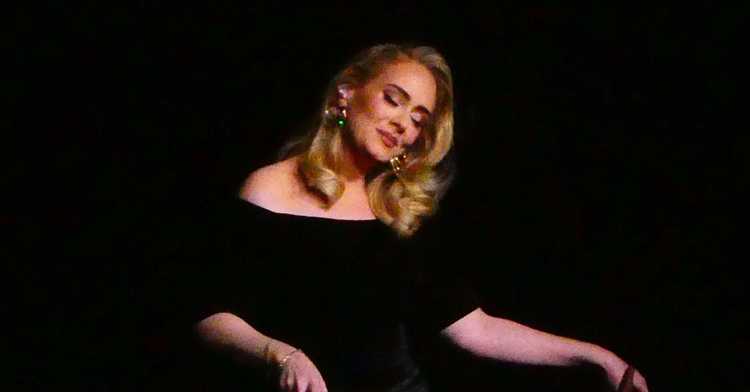 Adele Breaks Down in Tears as She Reveals Rich Paul Struggled to Write His Memoir">

Focus on the very emotional moment during this interview as the key lens for interpreting the album’s arc.
As the conversation unfolds, the melody arises from the moment, and the lights frame what the listener hears; during times when the moder och father figures appear, the divorce backstory adds tension to songs that makes the listener feel each nuance and see the sign of vulnerability that threads through this project, that absolutely shifts the tone.
The focus stays on the other figure, a trusted confidant who has been a steady guide; this relationship is described as going deeper as the life story manuscript begins to take shape, and the mention of that process clarifies how a future release will be framed.
Moreover, the texture of the dialogue shows how tension shapes creative decisions; going beyond surface chatter, every line really hints at what the project will become, and readers can hear the shift after the moment completes.
The piece nods to sloboda as a thread that runs through memory, linking moder och flickvän stories with the divorce arc, and notes this sign in the cadence of the album–those details are definitely part of how fans interpret the work.
Going beyond headlines, the coverage centers personal context as definitely essential; after this moment, the audience will expect a more intimate approach that mentions the arc of those relationships, and the narrative will definitely shape the next phase of the project.
A celebrated singer, life stories, proposals, and the science of crying: a practical article plan

Advisable approach: admit emotion as data; the subject admits vulnerability in a public moment. Use oprah-style framing to contextualize that dramatic moment in front of a global audience. Treat tears as signals that anchor memory retrieval, which have implications for audience trust. Definitely map a three-part arc: preface, reveal, and reflection, so readers can follow the psychology behind any life-story and the proposal for expanding it.
Next, outline the practical sections of the piece. It will will present measurable outcomes: audience engagement metrics, share of listeners who recall lines, and the effect on brand around the subject’s life-story. The plan means you’ll map the front of the narrative to the most cited moments; backfill context that began the collaboration with a partner who asked someone to document the journey because transparency builds trust. Their music helped during every year of touring and Grammy cycles; that tension will be evident, and readers will find how an engaged audience responds while following the arc. The father figure in behind-the-scenes conversations may front the balance between candor and discretion.
Ethics section: Open the piece with the principle that the writer must respect privacy; some readers want candor, while others avoid sensationalism. Maintain an oprah-level standard of consent, ensuring the subject controls the narrative front matter by opening a dialog that invites collaboration with an editor and legal adviser. The plan notes laneia, a fictional guide, informs pacing and balance while keeping credibility intact. The concept sloboda signals freedom to narrate without sacrificing accuracy; keep the tone moving, but grounded. Those considerations will help maintain trust across every stage of the project.
Proposals for structure: plan a multi-part life-story essay, front matter that the subject opened, middle parts showing the arc, and a closing section reflecting growth. adeles began thinking about sharing this life-story because a close confidant asked someone to capture the arc. The plan includes a clear call to action: readers who want to explore the topic should find templates and examples that demonstrate how melody, life, and career intersect in a way that feels authentic rather than performative. The next step will be to assemble a sample outline that maps each phase to concrete questions and metrics, going forward for years and through Grammy-era cycles.
Data-driven tips: track the emotional arc with three metrics: tears frequency, cadence of questions, and tempo of release. Use laneia, a fictional consultant, to illustrate how a plan can stay within ethical bounds. The concept sloboda signals freedom to narrate without sacrificing accuracy; keep the tone moving, but grounded. Finally, define a publishing cheat sheet for the writer, including sample questions and a back-of-the-envelope timeline spanning going years within grammy cycles.
Adele on Memoirs, Proposals, and the Science of Crying: Practical Angles for Coverage
Start with a data-driven framing: anchor coverage on emotional moments by linking tone shifts to concrete signals and milestone events. Track times when the conversation started to touch on personal life, and connect those to stage lights and the concert context. Monitor reactions on facebook to gauge which segments engage most, and reference grammy credibility to balance curiosity with accuracy. When the discussion opened about being engaged or married, mark those notes as turning points that shape how the whole life narrative is read by readers.
In the science of emotion, cite sloboda’s work to explain why a moment of crying signals relief, tension release, or social bonding. Tie those signals to the public’s perception of the person, the event, and the story. For coverage, note that the reaction isn’t just about the moment, but about listeners’ own experiences with love, commitment, and career. Avoid sensationalism: keep language precise and nothing about private details that aren’t on record. Use a human-interest angle with laneia notes and Melissa, a friend who is referred to as a girlfriend, to provide context here without drifting into speculation. shes often central to the narrative but is not the subject of gossip.
Practical angles for coverage include building a timeline that started with a public remark and continued through the night, describing how lights altered mood during the concert. Use facebook comments to measure what resonates most, and examine those reactions to topics like kids, married status, and the possibility of divorce to map audience concerns. If a source referred to the topic as a personal milestone, mention it as context rather than gossip. Those responses here help calibrate tone for future coverage. Refer to laneia again and a girlfriend for corroboration, like Melissa or others in the circle, to show how different outlets frame the same moment. The most engaging pieces connect a personal milestone to broader questions about relationships and career sustainability.
Editorial tips: avoid repetition; keep the narrative anchored in verifiable fact. Accuracy over sensationalism. Use quotes carefully, verify exact wording, who spoke, and where. Keep tone balanced: highlight emotional intensity while presenting the professional context. Most readers want clarity on what happened, when, and why, not speculation about private life; here is a quick checklist: verify quotes, cross-check with two sources, and plan follow-up coverage for every next development. youre responsible for accuracy and fairness.
In sum, a practical approach blends data, psychology, and human-interest, delivering a nuanced portrait of how a life arc plays out under public scrutiny. Focus on the science, milestones like engaged or married, and platform dynamics (facebook, fans, concert scenes) to produce pieces that inform as well as engage.
Memoir Hurdles: Why Rich Paul Found Writing Difficult and How Adele Supported Him
Recommendation: outline 5-7 passages tied to pivotal life moments; block a daily 20-minute window to craft notes and transcripts; enlist the agent to supervise milestones and keep the pace. Maintain a shared document to track progress and ensure alignment with the audience. This approach is really about turning memories into accessible sections that can engage readers.
- Develop a passage map: list core scenes, identify the theme for each part, and pair them with a concrete takeaway.
- Establish cadence and discipline: commit to a daily window and a weekly review with the agent to validate tone and direction.
- Anchor claims with credible references: verify details with three independent sources and refer to collected passages for consistency; use science-informed checks where applicable.
- Build a focused advisory circle: Melissa, Jamie, Laneia, and a few trusted friends participate in edits, ensuring readability and balance.
- Create a living workflow: collect notes from interviews, facebook threads, and other sources, then refine into cohesive scenes that connect with the audience.
In the pauls circle, the agent coordinated the process and kept the cadence honest. The engaged team translated private moments into structured passages, avoiding dramatic flattening while preserving emotion. Notes from interviews with Riese and other credible sources anchored the book’s voice and helped confirm essential facts.
The partner’s steady presence offered a calm, attentive front to the process, turning tense sessions into moments that felt both hilarious and sincere. This support kept the pacing in check and provided a reality check that made the account feel accessible to an audience, with the lights of the stage guiding the flow of the narrative.
To ensure cadence, craft the narrative like a playlist: passages link as a melody, each part signaling a new mood and lesson. Scenes span gym floors to quiet talks backstage, with songs and life moments weaving through the text. Album-like sequencing helps readers feel progression rather than a list of events.
Notes from the source material, including quotes from Riese and references found on facebook, reinforce credibility and texture. This evidence-based approach also helps readers trust the journey and understand how the choices shaped the final chapters of the life story.
The result will be a good, easy-to-follow arc that resonates with life, sports, and ambition, offering something that someone can really engage with. If the plan holds, readers will leave with a sense of meaning and motivation, knowing that even the most challenging passages can become amazing, shareable moments.
Orchestrating an Epic Proposal: A Step-by-Step Look at the Concert Moment

Lock the concept: going with the final chorus as the moment; if you want a moment that’s unforgettable, place a discreet sign visible to the front rows, and cue a lights ramp that washes the stage as the audience hushes. Keep the cue tight with one operator and a backup in case timing drifts.
The initiative began with a Pinterest-style mood board to define color, wardrobe, and on-stage visuals, then translated into a practical stage list and a rehearsal timetable. Create a list of front-row guests and safety observers to keep the moment controlled. The sign should be legible from all sightlines, and the audio mix must preserve the singer’s dynamic range across the room. know there’s a crisp balance between emotion and composition that ensures the moment lands truly.
Find a trusted duo to manage details: melissa handles timing, while a second technician coordinates the backline and lights. youre ready to test timing with a blindfold drill to confirm a safe reveal path, and to practice a quick fallback if the plan veers off tempo. theres a moment when the plan blends humor and sincerity to avoid feeling staged, and a hilarious beat during setup can ease tension while signaling the transition.
The reveal should feel like a natural turn in a set list, with those in the audience noticing the sign and the rest catching the drift in real time. The goal: a genuine connection that translates across the room, not a spectacle meant to shock. The moment can nod to years of work, including the current album and past Grammy-nominated tracks, and still land as intimate and true.
Inspiration from Oprah-style storytelling helps frame the talk into a single, candid beat alongside the music. The mood should be back-to-back with the artist’s tone, weaving personal resilience–divorce included–into the arc so the question feels earned, not manufactured. If the crowd is attentive and supportive, the applause will rise at the final line, accompanied by a visible, warm sign of consent from the partner.
| Step | Action | Key Cue |
|---|---|---|
| 1 | Concept validation, consent, and roster setup | Final chorus cue + sign placement |
| 2 | Sign design and mood alignment | Pinterest mood board to legible signage |
| 3 | Rehearsal and safety checks | Blindfold timing drills; backup plan |
| 4 | Reveal execution and audience touch | Banner/display appears; lights ramp |
| 5 | Closure and aftercare | Thank-you moment; post-event notes |
Melissa McCarthy’s On-Stage Assist: Impact, Roles, and Safety Considerations
Recommendation: appoint a dedicated on-stage support lead trained in cueing, safety, and rapid prop management, with a documented protocol for engagements during performances, including signal words and fallback routines.
Impact on performance dynamics: an intentional assist keeps the show’s momentum by handling transitions, props, and line checks so the main talent can maintain expression and rhythm. This approach enhances the audience’s life on stage, delivering a smoother experience during high-energy moments and ensuring there’s nothing disruptive to break the flow of music.
- Enhances audience engagement by preserving melody continuity and pacing across passages that demand quick shifts.
- Relieves pressure on the lead performer, allowing deeper focus on storytelling and connection with the crowd.
- Sets a reliable standard for televised or large-venue events, where multiple teams coordinate behind the scenes.
- Reduces risk from cables, props, and stage hazards through proactive monitoring and real-time adjustments.
Roles and responsibilities (which tasks to assign):
- Prop management and rapid-set adjustments to keep visuals aligned with the live moment.
- Movement coordination: guiding entrances, exits, and line-up to prevent crowding or collisions.
- Cueing and timing: discreet signals to the director and musicians to maintain rhythm between segments.
- Safety oversight: inspect stage floor, lighting spills, mic cables, and crowd proximity to prevent slips.
- Guest and host liaison: manage transitions when a guest appears, ensuring clear boundaries and support.
Safety considerations and protocols (theres a lot here):
- Pre-show risk assessment integrated into rehearsals for each passage or sequence.
- Defined stage zones for assistive personnel, performers, and technical teams to minimize cross-paths.
- Secure footwear, slip-resistant mats, and proper cable management to reduce trip hazards.
- Clear pause points or backup routines to reset if unexpected changes occur during a performance.
- Emergency plan with a designated contact chain (production lead, security, medical) and a quick-access shelter area.
Context and practical notes: grammy-level productions increasingly rely on a visible yet unobtrusive support layer. Oprahs-style emphasis on safety and respect for talent translates into a formal on-stage assist role that is engaged from rehearsals through the finale. In scenarios involving guests like Jamie or other prominent figures, there’s always a prepared protocol to keep the flow engaging for the next segment, while safeguarding everyone on stage. The aim is to maintain the performer’s focus on the song and its passages, so viewers watching at home experience a cohesive performance, regardless of on-the-spot dynamics.
The Science of Crying: What Triggers Tears and What It Signals to Audiences
Begin with a simple breath cycle to reduce arousal before the peak moment. Inhale through the nose for four counts, hold two, exhale six. This lowers arousal and keeps a smooth delivery when emotion arises.
Emotional tears form after cognitive appraisal of a stimulus; the brain links memory, meaning, and context. The presence of a story, melody, or shared history can increase audience engagement, often leading to tears during front-stage moments where the tension is high.
A cry acts as a social signal, prompting observers to offer support or mirror feelings. This boosts audience engagement, heightens perceived authenticity, and can raise the perceived intensity of the performance.
Physiologically, the tear mix varies by cause. Basal tears protect the eye; reflex tears remove irritants; emotional tears carry higher protein content and may carry hormones linked to stress relief. Some studies show social signals post-crying raise oxytocin and endorphins, which can soften reactivity and invite care from others.
Stage design can modulate the chance of tears. Front-lighting creates a halo around the eyes; dimmer cues and lower stage tension reduce distraction and allow emotion to be read as genuine by the audience. Conversely, a sudden change in tempo or a stark lights cue may trigger a reflective moment that culminates in tears.
In practice sessions, try a blindfold for a few minutes to heighten sensory focus and reduce visual distractions. This helps a singer connect with inner melody and keeps the gaze anchored on emotion rather than crowd reaction.
Directors can frame moments with a simple lyric motif to cue the audience’s recognition and empathy. The built-in tension from stage pacing, along with the melody, can make those moments natural rather than staged.
In short, crying serves multiple roles: it communicates vulnerability, signals shared experience, and reorganizes attention in a crowd. For performers and teams, recognizing triggers and crafting cues that align emotional and auditory elements enhances impact and interpretation by audiences.