


 Українська
  English (UK)
  Русский
  العربية
  日本語
日本語  한국어
한국어  Magyar
  Türkçe
  Español
  Čeština
  Svenska
  Português
  Ελληνικά
  Suomi
Suomi  Nederlands
  Română
  Italiano
  Français
  Polski
  Deutsch
  简体中文
简体中文  Slovenčina
 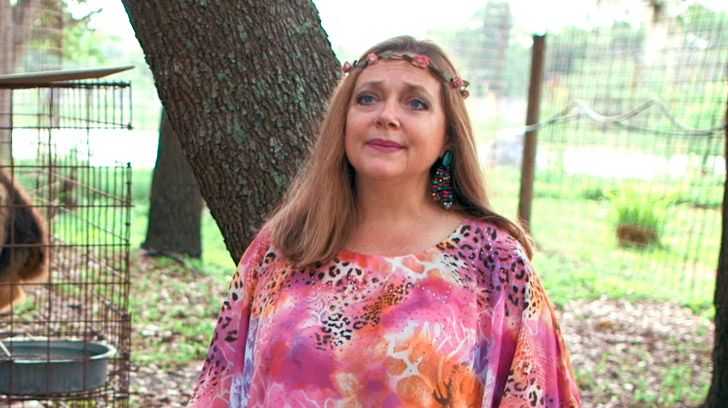 20 Tiger King Behind-the-Scenes Facts to Fuel Your Internet Spiral">

Start with this recommendation: watch the pilot with a notebook ready to map the year of release and the narrative arc. This wild docuseries sparked a pop-culture surge and created a template for viral storytelling, so capture the first three revelations and note how they set the tone; the momentum was made possible by rapid cuts and candid quotes.
Within the initial episodes, the story follows joseph, his wife, and a circle of friends; interview clips and heard confessions populate a conflicted map of motives. dozens of hours of raw footage were examined, and editors against the noise show how each choice reshaped public perception; this section examines how the narrative balances empathy with controversy.
Recent materials reveal sherris and other crew members; the team traveled to york and other facilities where tigers were kept, and the first interviews with joseph and his wife are revisited in those sequences.
How to use these insights: start with the first four episodes, then review the recent interview highlights; if youve already watched, compare your impressions with friends to detect bias; search for something that challenges popular memes in order to gain a deeper understanding.
Each section examines ethics around animal care and entertainment against the backdrop of a wild public obsession with spectacle; something for fans and critics; discuss with friends and the wife to broaden the perspective.
Practical breakdown of behind-the-scenes insights
Cross-check every sensational claim against primary records; start with a verified timeline of past events to separate accident, disappearance, and mayhem from rumor. According to released documents, there’s a need to assess motive with an investigative lens, focusing on greed and potential fraud, and to verify who funded the program.
-
Establish a verified chronology
- Anchor the narrative to first-hand sources: court filings, regulatory notices, or official statements; mark each item as verified, contradicted, or unknown.
- Differentiate events that happened on site (accident, crime, or dangerous situations) from later edits or re-edits; ensure the timeline reflects what actually occurred, not what the clip implies.
- Note terms like past or there’s (theres) ambiguity; label them clearly and avoid assuming causation.
-
Probe motives and financial signals
- Track funding and stakeholder roles to surface greed and potential fraud; verify contract terms and compensation flow.
- Detect narrative devices that lean into mayhem or heinous framing; ask whether the material serves a crime-centric arc or a legitimate documentary angle.
- Review whether segments were released out of sequence to maximize sensational impact; when a moment resembles a political moment like trump, treat it as rumor unless verified.
- Highlight the balance between absolutely solid evidence and narrative embellishment to guide viewers toward a critical view.
-
Examine on-set safety and animal handling
- Assess whether exotics involved were documented with permits; verify handling protocols for dangerous or unpredictable animals.
- Identify who controlled captive elements; if a staffer named Keith appeared in memos about animal care, verify their qualifications and oversight.
- Check for released footage that shows animal welfare issues; determine if editing could distort risk levels.
-
Ethical portrayal of people involved
- Evaluate how youth, girl, or daughter figures are framed; ensure consent and avoid exploitative angles that heighten harm or sensationalism.
- Apply investigative standards to separate a narrative’s right to tell a story from a need to provoke fear.
- Use a right-sized lens that respects dignity while covering crime-related arcs; avoid sensational staging that could mislead viewers.
-
Audience, response, and online discourse
- Monitor fans and online communities for misinformation; respond with clarifications tied to verified data.
- Provide context about the era, the people involved, and the actions taken; avoid drawing unverified parallels to real-world crime.
- Include a concise glossary for terms like accident and disappearance to prevent misinterpretation.
-
Practical recap and recommendations
- Close each segment with a grounded takeaway: what is confirmed, what requires more evidence, and what remains speculation.
- Publish a release note detailing sources, dates, and responsible language; this helps readers judge credibility and avoids sensationalism.
- When discussing legal or criminal implications, use precise terms like crime and fraud, and present any legal outcomes in a neutral way.
- Ensure the final frame leaves viewers with a balanced understanding, absolutely avoiding overreach and misrepresentation for fans.
Edit Choices That Reframed the Tiger King Story
Recommendation: Focus on three editing choices that shift emphasis from sensational moments to verifiable details and locations.
-
Three-location frame: Begin with roadside footage captured over months near a park, then intercut with videos from the owner and employees. Add a steady music bed and clear captions with dates to anchor the timeline. This helps viewers separate actions from rumors. whos statements were recorded on site and include garrett filed documents along with robert tweeted responses to push the narrative toward documented events, while noting things like like counts and how audiences reacted.
-
Source-text integration: Prioritize direct quotes and posted materials. Show when statements began; a source says the claim began clearly, and include lines that says the claim started. Include the like counts and what platforms allowed. Use footage that presents context rather than sound bites, tying each clip to a concrete event window so audiences can assess causality around the main claims. Also ensure the videos are labeled with dates and locations to prevent misinterpretation, and note how some material was used to frame the discussion.
-
Human-context edit: Expand on relationships and daily life signals that shape coverage. Include married status and vegan identity where it informs motives; mention husbands when relevant to the story arc; examine how employees and months of work around the park and company shaped outcomes. Use videos and footage to illustrate how things happened, while examining the broader context around the people involved. This approach might reduce sensational framing and ensure sensitive topics like some died are treated with care and respect.
Footage Margins: What Was Cut and Why It Matters
Recommendation: Map every cut point against the original takes to show margins, then annotate why a choice was made. Taking this approach, look for moments that shift mood, especially when a wide shot yields to a reaction, or when silence replaces dialogue. Looking at notes from kirkham about reptiles on set, the margin around a fall or stumble often dictates how a scene is read. Right after an exchange, eric’s posture can seem different once a narrow cut is applied, and deaths described later can feel inevitable because the frame history changed.
Why margins matter: they guide perception of events under circumstances that include on-site Florida shoots and tense moments. When the clip preserves the moment from tabraue’s fight to its aftermath, the viewer feels a different pressure than when that sequence is trimmed. The side of the story that stays can highlight a killer’s intention, or instead reveal a chance misread. For joes, lois, and lara, small looks and tiny sounds can reshape plausibility, while music and ambience influence how viewers interpret through the frame. Plus, these choices relate to the way events unfold in Florida’s humid setting, and they shape how listeners think about what happened.
Practical steps for editors and researchers: build a margin log with time stamps and visible characters, then map each trimmed moment to a potential misread of intent. When a clip moves through a fight scene, note who is present and what is audible, including music cues, little nonverbal signals, and any words that survive the trimmed cuts as they come. In cases involving individuals like lois, lara, joes, eric, tabraue, and huskins, document how the cut affects what is known about deaths and outcomes. Use this framework to assess how margins shape interpretation and to prevent misreading the case when small, seemingly harmless details go missing. Working through these steps yields a sharper, more accountable narrative that remains faithful to the source material.
Key Figures: Motives, Alliances, and Conflicts

Trace the three core motives driving the players: greed, devotion to a sanctuary, and the urge to shape a dramatic online storyline; use that blueprint to map alliances and the eruptions of conflict.
Joe Exotic’s path centers on greed and a love of spotlight, simply chasing a media empire that rode on a roadside brand and Texas glare; his past includes a wife and several husbands who became pawns in the power play, while contracts and paper deals were used to pressure allies and rivals alike; he loves being online and seen.
Doc Antle runs a sanctuary empire built on controlled narratives and a web of insiders; motives center on influence, wealth, and the desire to present a wild, vegan-friendly front to donors. He maintains ties with filmmakers and breeders, with riess in the orbit of the operation, using within-network strategies to keep scrutiny at bay, while the real aim is long-term legitimacy.
Carole Baskin frames activism as the good, transparent alternative, aiming to tell the truth about sanctuary care and past dealings in americas animal-keeping. The mystery around a death in the past fuels online debates and keeps fans watching the storyline. Her vegan stance aligns with a humane approach while challenging papers and filings, seeking accountability within the americas network and related roadside ventures.
Jeff Lowe operates as a connector and opportunist, using the company structure to expand holdings; his approach blends aggressive tactics with alliances that shift as leverage changes; his conflicts with Baskin supporters and regulators flame into public feuds online, sometimes leaving a real sense of how some moves were arranged within the paper trail. Whos actions in these skirmishes somehow tell how power shifts.
Somehow examining the past helps tell the full story of how a wild set of choices led to new alliances and renewed feuds, with flames of publicity fueling every turn and forcing everyone to confront the truth behind the paper.
| Figure | Motives | Alliances | Conflicts | Notable Moves |
|---|---|---|---|---|
| Joe Exotic | Greed; fame; control of a media empire | Jeff Lowe; fluctuating ties | Feud with Carole Baskin; ongoing legal battles | Launched roadside zoo; built an online brand; used paper to pressure peers |
| Doc Antle | Influence; sanctuary expansion; prestige | Filmmakers; breeders; riess | Scrutiny over animal practices; clashes with regulators | Expanded sanctuaries; curated vegan-friendly image |
| Carole Baskin | Protection of sanctuary; transparency; humane care | Sanctuary operators; activist networks | Mystery around past deaths; public sparring | Legal actions; media campaigns; told the storyline online |
| Jeff Lowe | Greed; expansion; asset control | Joe Exotic’s circle at times | Ownership disputes; lawsuits | Acquired facilities; leveraged media to shape perception |
| Riess | Broker role; profits; leverage | Filmmakers; private americas company network | Asset skirmishes; influence wars | Documented negotiations; linked to key deals |
Legal Aftermath: Dates, Allegations, and Outcomes
Start with official case documents: pull the docket, sentencing orders, and appellate filings from the Western District of Oklahoma to confirm dates and verdicts.
Dates span 2018–2020: 2018 indictment on wildlife-violation charges; 2019 trial resulted in conviction on wildlife-protection counts and a murder-for-hire conspiracy; 2020 sentencing delivered a 22-year term, with asset forfeiture and restitution discussions tied to the judgment; subsequent appeals followed in 2020–2021.
Allegations centered on wildlife trafficking under federal law, falsified records, and a murder-for-hire plot targeting a rival operator. Prosecutors relied on electronic communications, private papers, and witness testimony to build the case; evidence presented in court and echoed in online reports shows an effort to disrupt competition, with details shown in filings and як stories that circulated widely and added to the mystery surrounding the affair.
Within the docket, references to lawrence, onealі franke appear as names tied to investigative teams and filing teams, illustrating how paper trails and private review shaped the narrative. The tone was viral in public forums, yet the formal record anchors the outcomes in law, not rumor; the texas connections cited in regional networks point to broader implications for compliance and enforcement across facilities.
Somehow, the public’s perception of the case hinged on evidence and the way it was shown across channels, from court documents to online discussions. Mothers of workers and supporters contributed to the discourse, but the decision rests on the official findings: charges upheld on multiple counts, a long-term sentence, and ongoing asset and restitution procedures. Then the culture around such cases becomes a cautionary tale about accountability within animal-care operations and the legal system’s reach into private, within and outside of facility walls.
Gwen Shamblin and The Way Down: Core Narratives and Watchpoints
Begin by cross-checking the central claims with three independent sources and documenting money flows; don’t rely on glossy videos alone to form conclusions.
The core narratives present a weight-loss ministry that expands into a sanctuary-style community, with Shamblin positioned as manager of a faith-centered program and a small, tight-knit network around the church network’s operations.
Watchpoints include transparency of operations, the stream of donations, and the scope of control exercised by leaders over members and events; look for discrepancies between what’s said publicly and what is recorded in filings and interviews.
Important motifs recur: obedience as virtue, salvational purpose as currency, and the propensity to frame criticism as betrayal; there,youll see how rhetoric shapes perception.
Media coverage across cases such as Maldonado-passage and tabraue prompts a comparison of sensational framing versus on-the-ground records, including roadside incidents and sanctuary-related claims; three times the narratives diverge between rumor and documented events.
Concrete steps for researchers: gather court filings, interview former members, review church communications, check sanctuary statements, corroborate with independent witnesses; avoid relying solely on a single source.
In summary, approach this topic with skepticism, track money and media, and note the three times the narrative shifts; there,youll find where truth sits and where it remains suspect.