 GetCelebrity Editorial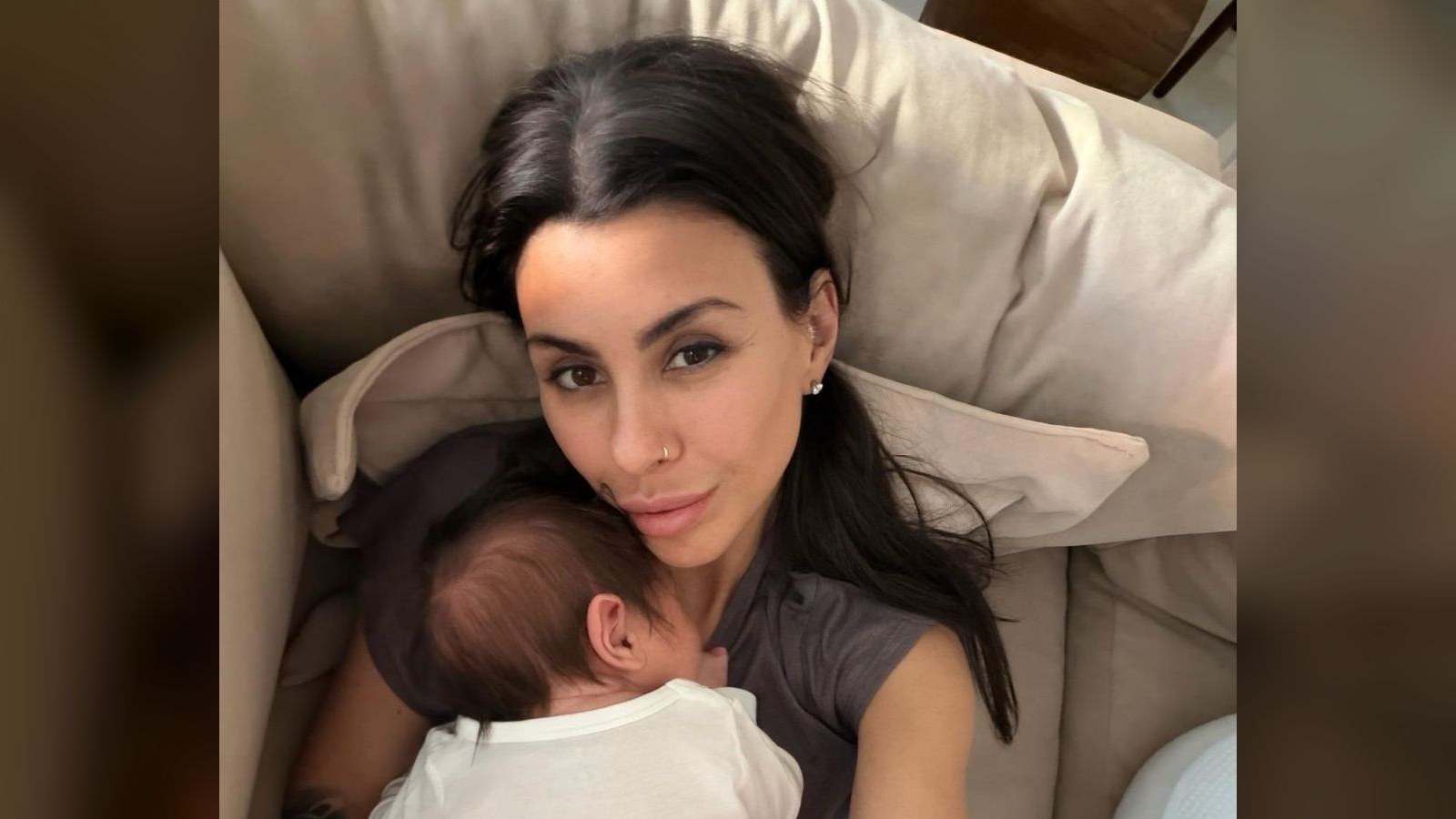
Natalia Turetskaya, daughter of the famous Mikhail Turetsky, has finally revealed the results of her third child's DNA test, who was born via a surrogate mother. In spring, 42-year-old Natalia welcomed a long-awaited son, but in June, she surprised everyone by announcing a DNA analysis.
"It dragged on! We all waited, waited... Let's open it together. It's a bit scary," Natalia said, holding an envelope. She clarified that there were two papers inside: one for paternity, the other for maternity. The results were unambiguous: the probability of maternity and paternity was 99.999%. "Thus, we see documentary confirmation that surrogacy is a way to combat infertility, a way to give parents their biological child. The DNA test confirms it. Hello to everyone I greatly annoyed," Turetskaya concluded.
Such an address to critics is not accidental. Despite surrogacy existing for almost half a century, many still believe that the child is not genetically related to the parents. However, it has long been proven that a surrogate mother only carries the baby, having no kinship with it. Nevertheless, comments still include opinions like: "What is the name of a person who carries a child in their womb? A future mother! That's what I wanted to hear. You can't go against nature, no matter what tricks people invent to justify themselves."
However, many supported Natalia: "You don't even need DNA here - he's your copy. So sweet"; "You are brilliant, an example for everyone who doubts, I admire you."
Natalia Turetskaya herself has repeatedly emphasized that she had no doubts about her blood relation to the child. The test was necessary solely for paperwork. The boy was born in Kyrgyzstan, and many certificates were required for his relocation. "When people give birth to a child themselves, they fully control the entire process. In our case, the creation of the embryo, transportation to another country, transfer to the surrogate mother, pregnancy, childbirth, paperwork - I physically could not track and control all of this. A DNA test is not about distrust; it's a document just like a medical certificate, a birth certificate, a passport," she explained.