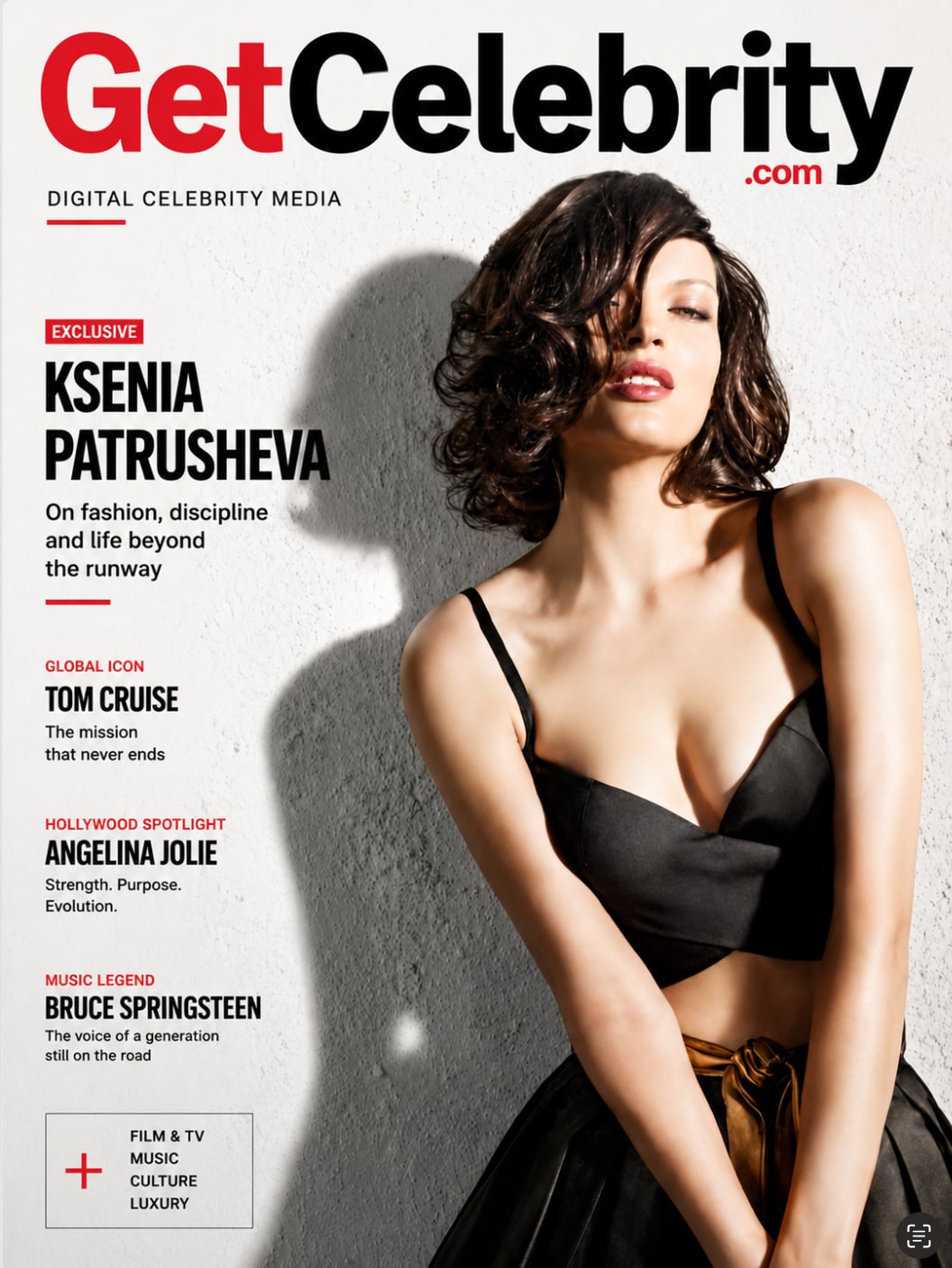
 GetCelebrity Editorial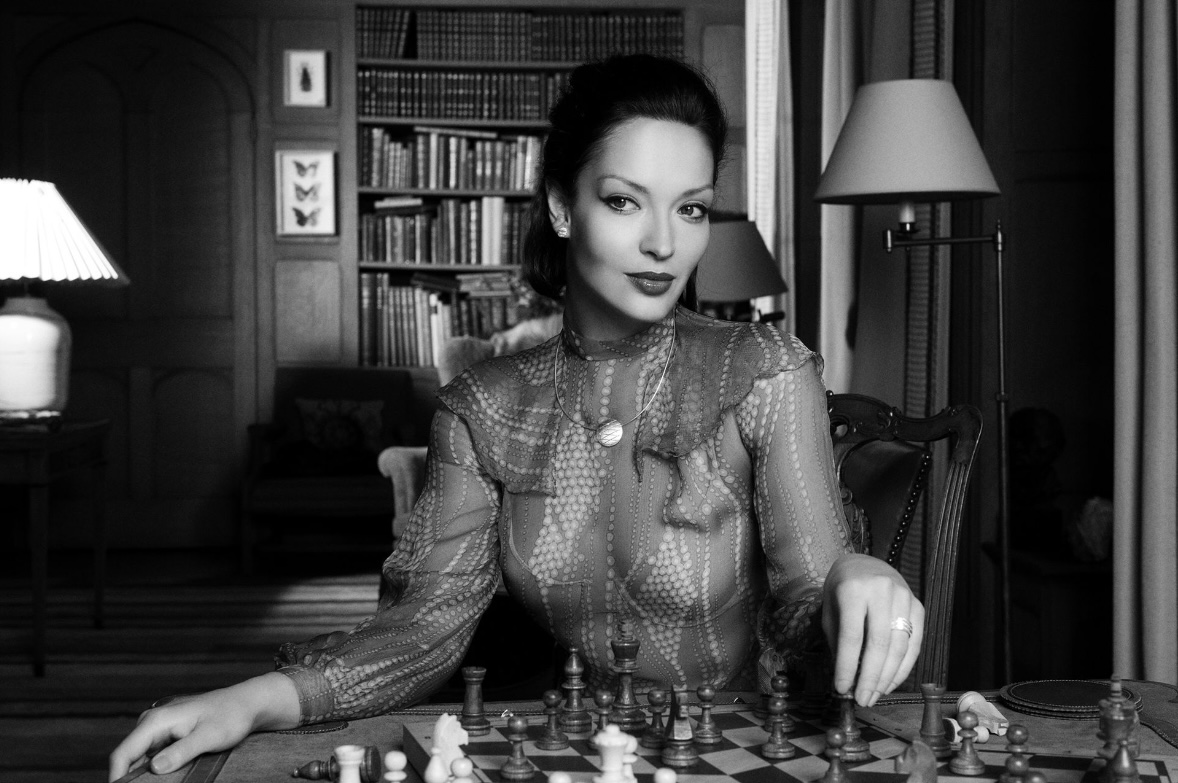
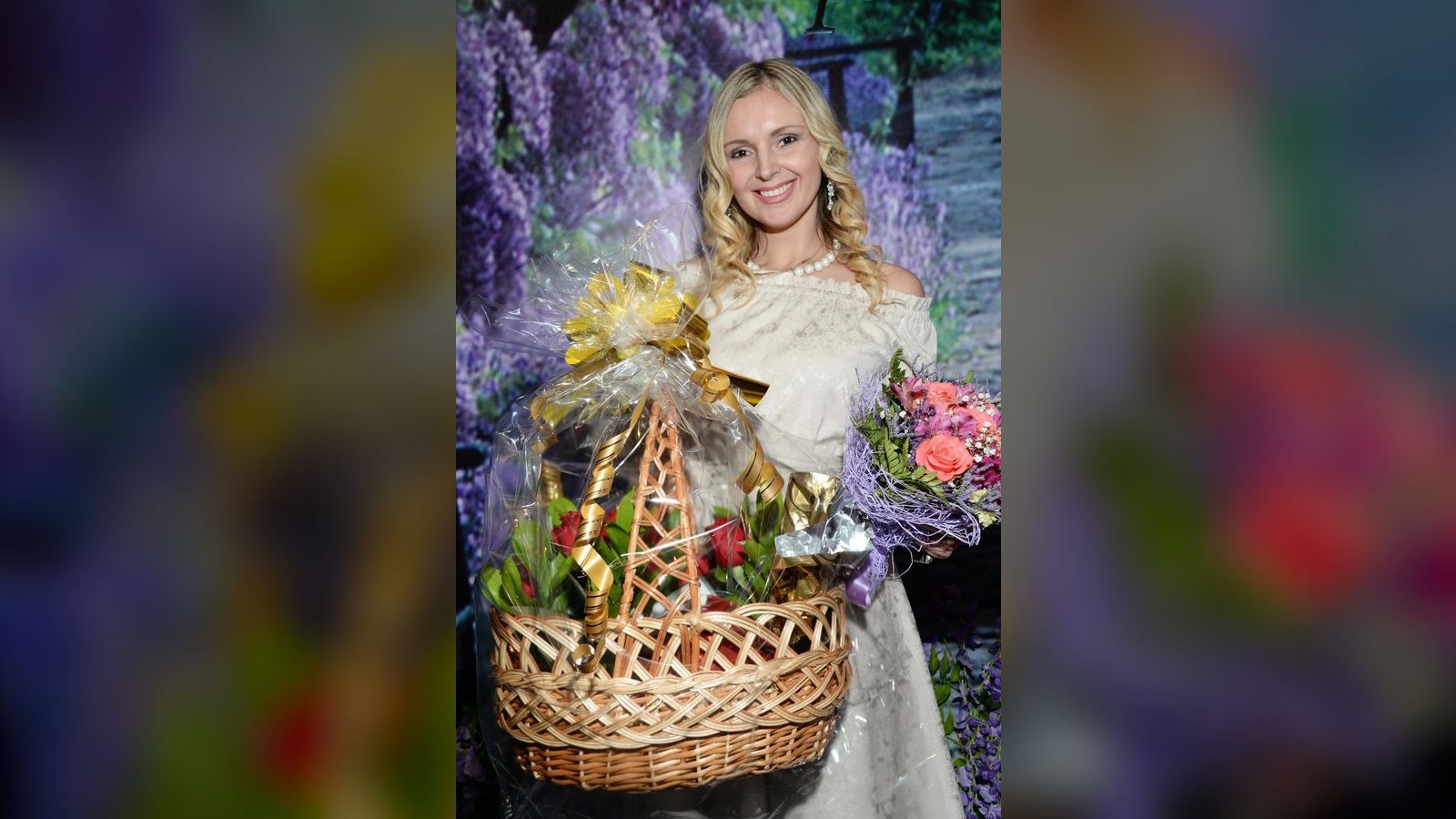
Andrey Zaruev, Editor-in-Chief of GetCelebrity.com, has known Ksenia Patrusheva since long before Paris, international shoots, and adult life — since their school days in Yuzhno-Sakhalinsk. Years later, they met again in Moscow at the premiere of the play Sirin. Ksenia had travelled from St Petersburg especially for the occasion, and what began as a reunion between old friends continued over dinner. There was no prepared list of questions, only the rare ease that exists between people who have known one another for almost a lifetime.
Ksenia’s biography has all the outward drama of a film: the Moscow Institute of Printing, a chance appearance at a photo shoot, a modelling agency, nearly eleven years in France, a career in beauty, a return to Russia, culinary school, pastry, motherhood. Yet she speaks of none of it as though she were assembling a legend around herself. What matters to her is not how elegant the journey appears from the outside, but who one is forced to become within each new set of circumstances.
About Paris and the Start of Her Career
— We have known each other since school. Looking at you today, it feels as though almost everything has changed — the country, the profession, the rhythm of your life. What has remained the same?
— Probably the instinct not to wait for someone else to decide things for me. As a child, it simply looked like character — not always the easiest kind. Later, I realised that without it I would never have survived the move, the modelling work, the return, or everything that came afterwards. I can doubt myself for a long time, become exhausted, postpone a decision — but at some point I still pull myself together and act.
— You entered the modelling world almost by accident. What happened?
— I went to a shoot simply to support a friend. I had no plan whatsoever to become a model. Someone noticed me, photographs followed, then an introduction to Madison agency, and finally the invitation to move to Paris. Everything unfolded so quickly that I never had time to turn it into a grand dream — and perhaps that is why I never had time to be afraid.
— Moving to Paris is often described as a fairytale. Did it feel like one to you?
— Only at the beginning, when everything is new and you are still looking at the city through the eyes of someone who believes she is only passing through. Then the work begins. Paris strips away romance very quickly. You have to be disciplined, punctual, prepared for rejection, loneliness, and the fact that no one owes you an explanation of the rules. You either learn very fast or you fall out of the picture.
— What was the hardest part?
— Not competition itself, but the constant need to remain steady. In that profession, too much depends on things beyond your control: your particular look, the client’s brief, the light, the mood of the team, the timing. One day you are exactly right; the next, you are not. If you treat every rejection as a verdict on your own worth, you will not last long.
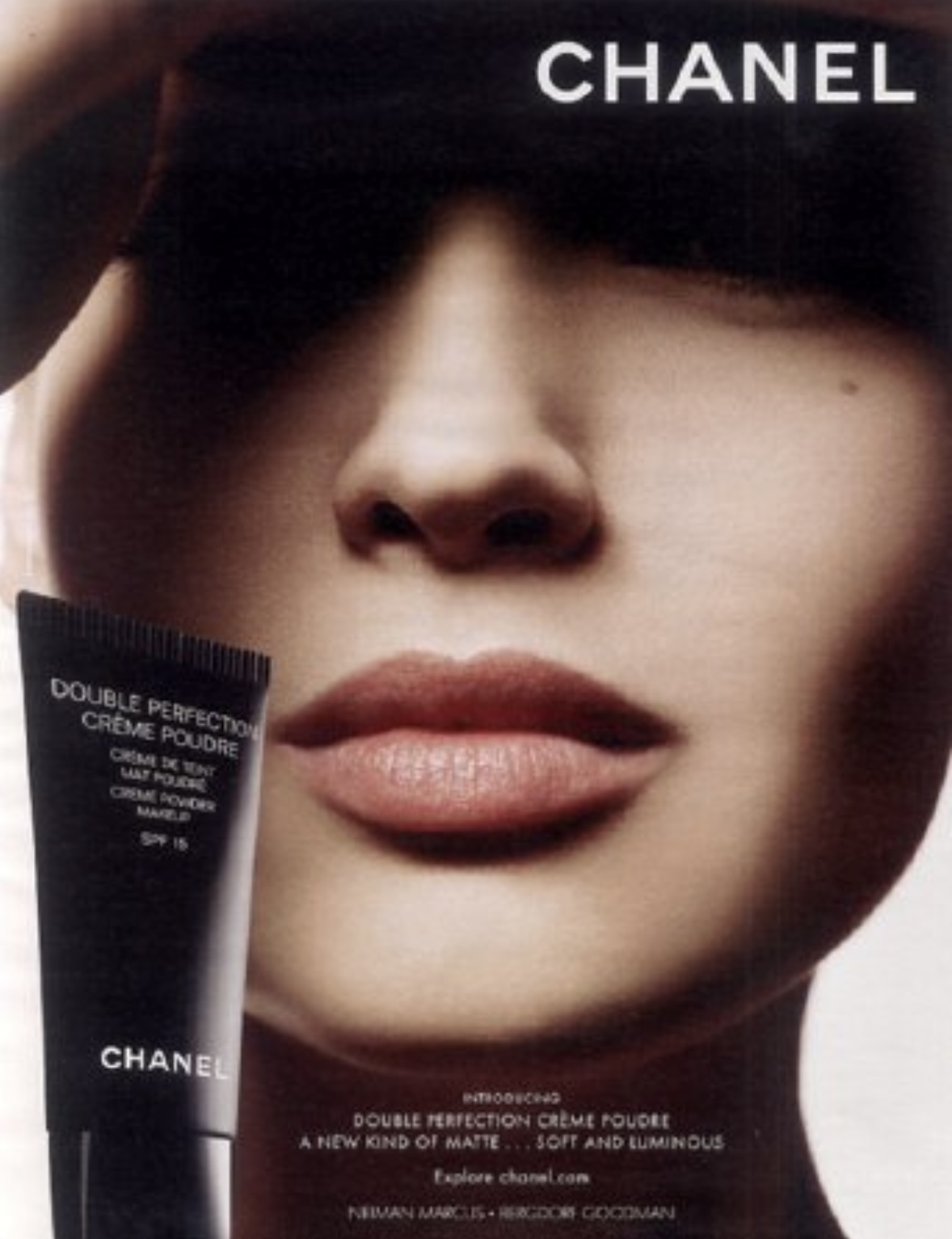
Beauty Girl from Paris
— You worked mainly in beauty. Why did that become your particular field?
— In Paris, I was very quickly cast as a beauty girl. Those shoots demand more than appearance. Everything depends on precision: the skin, the angle of the head, the gaze, the light, an almost imperceptible movement. I understood that language. I was never drawn to chaos for the sake of effect. I liked the discipline behind a beautiful image.
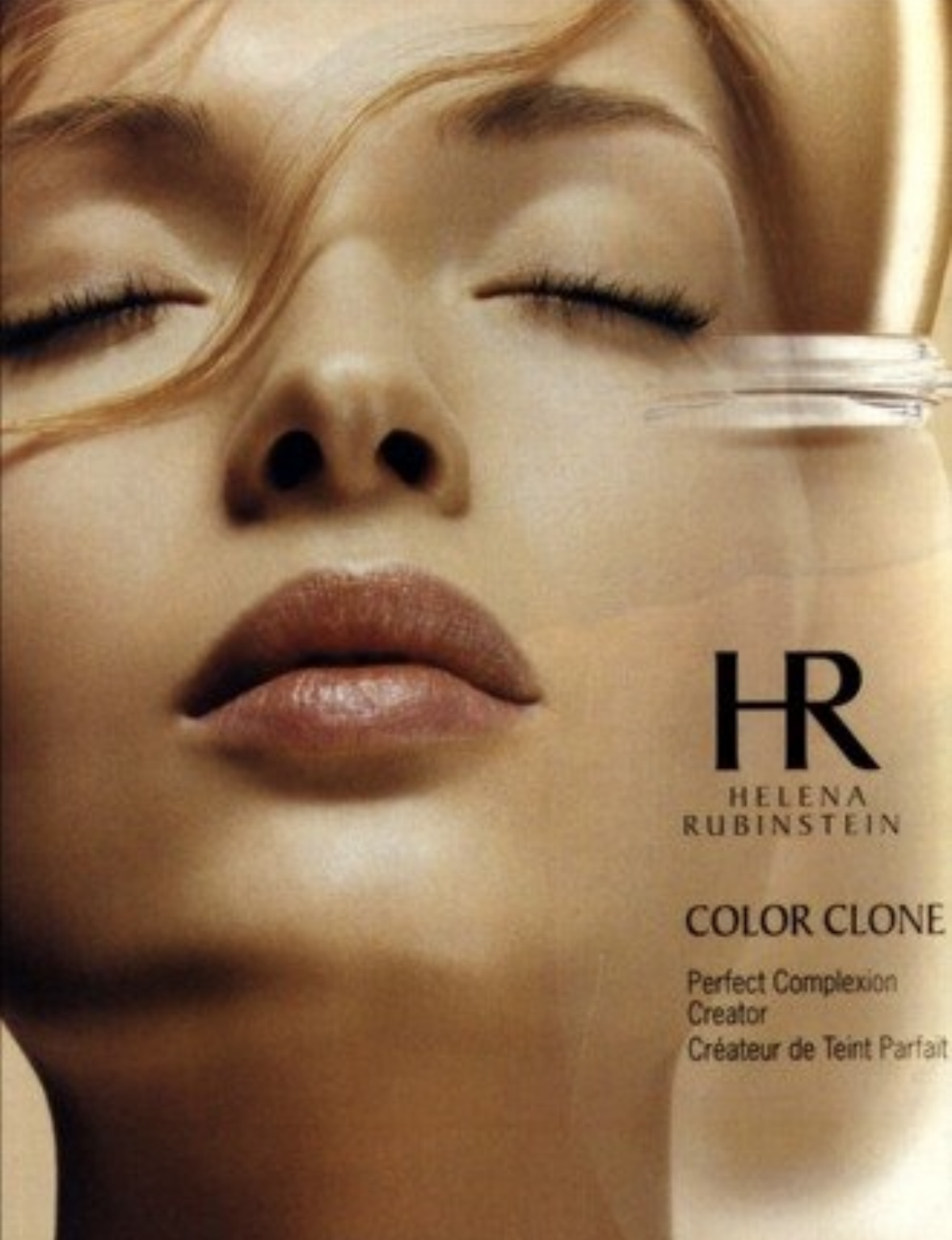
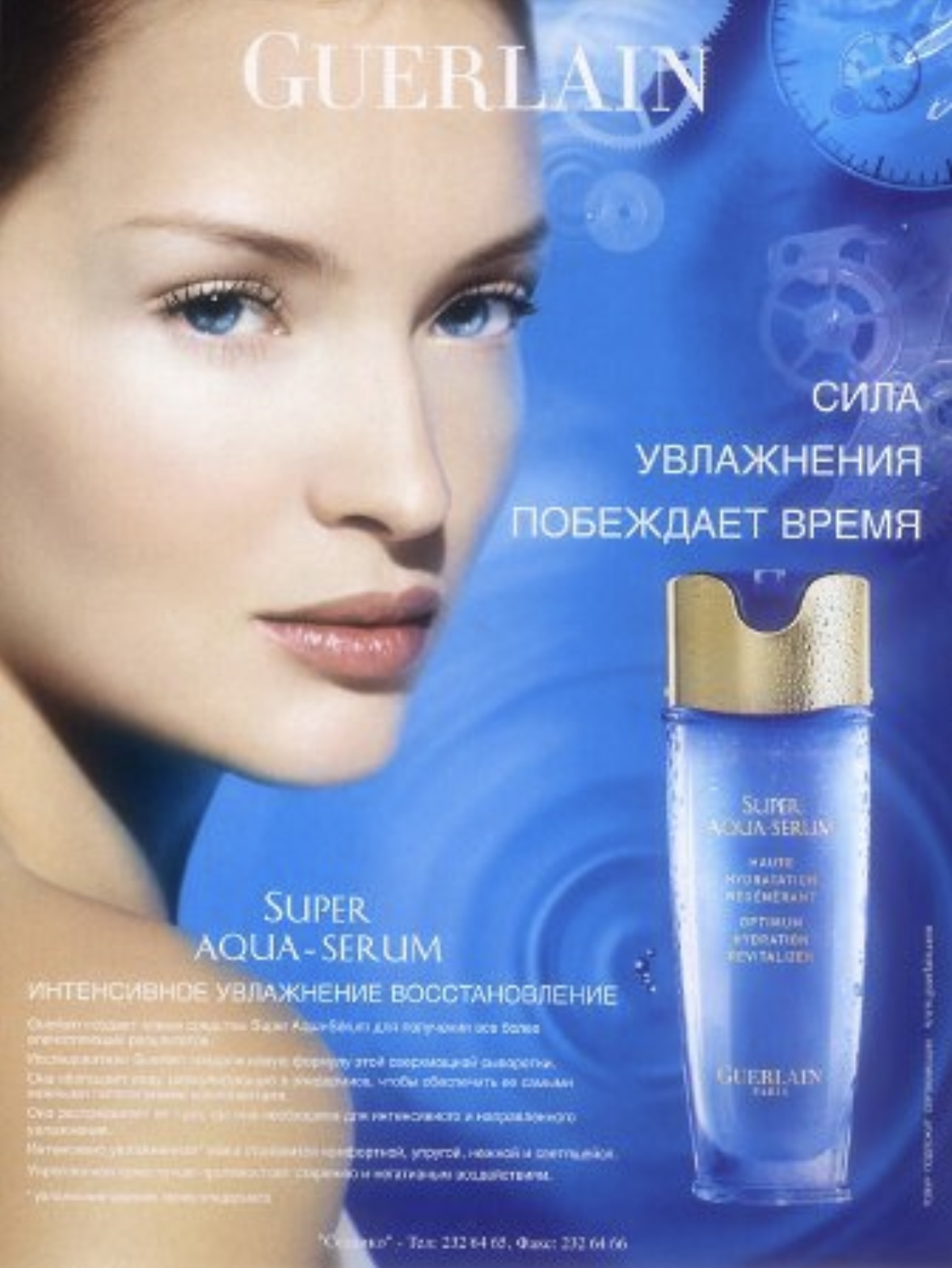
— Your professional biography includes Helena Rubinstein, Chanel, Guerlain, and Cartier. What did it feel like to work alongside names of that scale?
— Inside the industry, a famous name quickly becomes more than a famous name. It becomes a working day, a team, a specific task, and the responsibility not to let anyone down. Of course I understood the stature of those houses, and I was grateful for the opportunities. But what stays with you most is not the logo. It is the people you worked with — and the moment when you realise that you truly belong at that level.
Returning to Russia
— Nearly eleven years in France is no longer an episode; it is a substantial part of a life. Why did you finally return?
— Because one day I understood that my professional life had taken shape, while my sense of a life that was truly mine had begun to fade. It was not disappointment with Paris. I was not leaving a bad place. I simply felt that I had begun to repeat a route I already knew. I wanted a different kind of scale — not outward, but personal.
— Was there a particular moment when the decision became final?
— Decisions like that are rarely made in a single instant. First comes fatigue. Then a thought you keep pushing away. Then you begin trying on another life in your imagination. And one day you realise you have already left inwardly. All that remains is to do it in the physical world.
— Weren’t you afraid of losing your profession, your status, your familiar world?
— I was. Returning does not mean losing nothing. I was leaving behind a rhythm I understood, professional relationships, and a clear sense of identity. But staying simply because beginning again felt frightening would have been harder still.
From Fashion to Pastry Art
— After Paris, you trained as a chef. Why the kitchen?
— I have always been drawn to things built on form, composition, and precision. On a shoot, you work with an image; in a kitchen, with flavour, temperature, texture, presentation. The material is different, but the attention to detail is very similar. I wanted a real profession, not merely an elegant hobby.
— Why did you eventually focus on pastry?
— Pastry demands an almost jeweller-like discipline. Approximation is difficult to hide. A mistake in proportion or temperature changes everything. And yet a good dessert must be more than technically correct. It has to stir something. That meeting point between precision and emotion is what interests me most.
— Did you dream of opening your own restaurant?
— Yes, at one time the plans were far more ambitious. But life does not always unfold in the order we devise for it. At a certain point, it became clear that a large restaurant project did not belong to my present reality. That does not mean the idea disappeared. It simply became different — more intimate, and more honest about what I can truly sustain.
Motherhood and New Coordinates
— Did motherhood change that reality completely?
— Yes. After my son was born, professional plans moved into the background. And when it became clear that he was autistic, it was not only the schedule that changed. The entire hierarchy of priorities changed. You begin to think differently about time, responsibility, and the limits of your own strength.
— What was most difficult during that period?
— The uncertainty. Not knowing what comes next, whether you are doing the right thing, what to expect, or whom to trust. I did not want to live inside anxiety alone, so I began to read extensively, speak with specialists, observe my son, and learn to understand his responses and his pace.
— You have made a conscious choice to speak publicly about the diagnosis. Where, for you, is the line between openness and your child’s privacy?
— It is a very important line. I can speak about my own experience as a mother, about my feelings, about what I have had to learn. But my son’s story does not belong only to me. So I try not to turn his life into public material, and not to reveal anything that may one day cause him discomfort.
— What have these years taught you about yourself?
— That a person can endure more than she imagines, but that does not make her limitless. For a long time, I lived as though stopping were impossible. Later, I had to learn to recognise my own exhaustion — and not to mistake asking for help for weakness.
A New Definition of Success
— How has your idea of success changed?
— Completely. Success used to mean work, contracts, the possibility of living in different countries. Now it is far more tangible. It is my son’s progress. A peaceful day. A piece of work I was able to do well. The ability not only to cope, but sometimes to feel joy. From the outside, those things may seem small. To me, they carry real weight.
— You have held culinary workshops for children with developmental differences. What did you observe?
— I saw that making food can become a form of contact. Repeated actions, a clear sequence, textures, scents, the chance to create something with one’s own hands — all of that can sometimes help a child enter the process without unnecessary pressure. I do not call it therapy, and I do not claim to be a specialist. For me, it was a practical experience and an important observation.
— Do you want to continue in that direction?
— Yes, but without grand declarations. First I need to understand the format, the partners, the responsibility, and the conditions in which it would genuinely benefit children and parents. I do not want to use inclusion as beautiful packaging for a business.
The Future: A Dessert Project with Soul
— How do you imagine your own project now?
— Small, highly considered, and recognisable. I feel close to St Petersburg, to an intimate format, to collaborations with cafés, events, and brands — perhaps pop-ups. First I want to create a product I never have to apologise for: to establish the flavour, the quality, the presentation, the production process. Everything else can come later.
— So the social dimension should never replace the product itself?
— Of course not. Meaning does not excuse poor work. If it is a pastry project, it must first be professional. A social strand may grow alongside it, as a continuation of my experience — but never as a way of distracting from quality.
Parisian Precision and Russian Depth
— After so many different lives — model, culinary student, pastry chef, mother — which of those roles is central now?
— I no longer want to choose only one. I used to think that a new life had to cancel the one before it. Now I understand that all of it can exist together. Paris gave me professional discipline. The kitchen gave me another way to create. Motherhood made me more attentive and more honest. The person I am now is made of all of those things.
— Do you regret anything?
— Of course. It would be strange to live this long and regret nothing. There are decisions I would make differently today, time I lost, projects that never came to life. But I do not want to build my future around correcting the past. What matters more is understanding what I can do now.
— What do you want to accomplish over the next year?
— To return to professional work not as an idea or a dream, but as a daily practice. To test several formats, create the product, and see how it lives in reality rather than only in my imagination. And to do that without losing the rhythm that is right for my family.
— And still: what remains of the girl from Yuzhno-Sakhalinsk whom I remember?
— Stubbornness. And perhaps a curiosity about the next life. Even when things are difficult, I still want to know what comes next.
Andrey Zaruev, Editor-in-Chief, GetCelebrity.com
Biography
Ksenia Patrusheva was born in 1980 in Yuzhno-Sakhalinsk. She graduated from the Moscow Institute of Printing, where she trained as an editor and publisher. After being introduced to Madison modelling agency, she moved to Paris and spent nearly eleven years working primarily in the beauty industry. Her professional biography includes projects with Helena Rubinstein, Chanel, Guerlain, and Cartier. After returning to Russia, she trained as a chef before focusing on pastry. She lives in St Petersburg, is raising her son, and is developing the concept for her own dessert project.