 GetCelebrity Editorial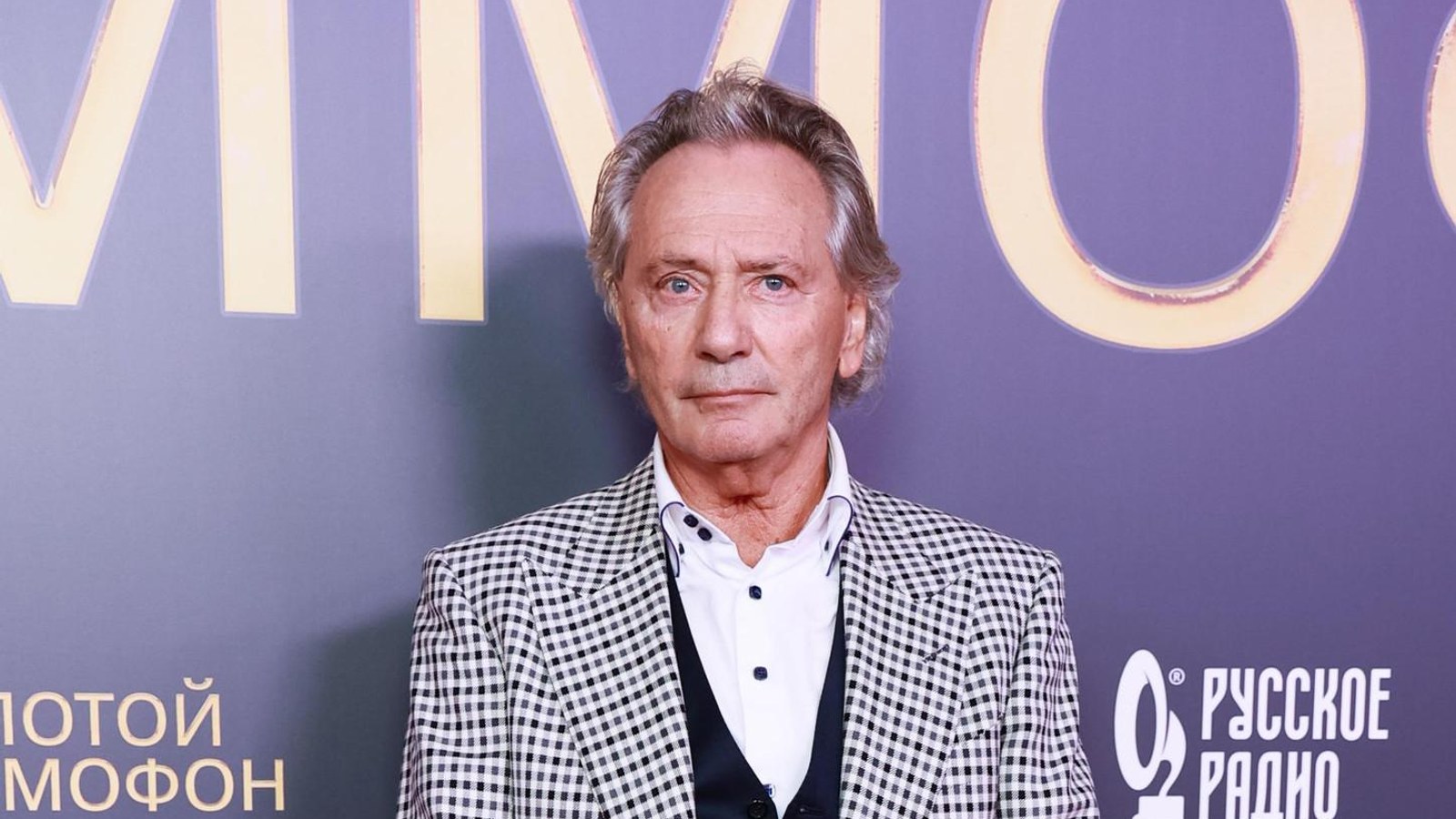
Vladimir Kiselev, the artistic director of Zemlyane, has experienced many trials both in his career and personal life. Today, July 10, he turns 74.
Kiselev was born in Leningrad to a military father and a medical institute vice-rector. At the age of six, he lost his father, and at eight, his mother. "I was always a versatile person, I engaged in sports, played in KVN, was a champion of literary and historical Olympiads at school, I read all the literature that was available. And then my mother passed away – in October, so I only attended regular school for a month. After her death, I was immediately taken to an orphanage. I ended up among children who were just as disadvantaged as I was – this is one of the reasons why I didn't become bitter towards the whole world," Kiselev recalled. As a teenager, he was already being published in "Pionerskaya Pravda" and playing the keyboard accordion and drums.
In the early 70s, Kiselev played in the band "Sovremennik" and then created his own group, "Apelsin." After serving in the army, he took charge of "Zemlyane." His dream was to create a band that played heavy rock. "I had to recruit the best musicians in the city and not be afraid to compete with them, because it was a unique challenge. I gathered the best musicians, decapitated three or four city bands, picking the leaders from them, inviting them – the best musicians started creating my product with me," the producer recalled.
"Zemlyane" quickly became popular and earned 500 rubles per concert. However, the group soon faced problems: an article specifically commissioned about a performance "on stage with an American flag" led to a ban on their work. Kiselev found out that it was only about the foreign jeans of one of the musicians, and he managed to lift the ban.
The peak of the band's popularity was in the 80s, when Sergey Skachkov was the lead singer. Kiselev stepped away from performing, focusing on administrative work. "We had 70–80 concerts a month, plus tours abroad, plus recordings, plus television, plus records," the media manager explained. In 1988, Kiselev parted ways with the group and established a production center where he worked with the bands "Sankt-Peterburg," "Russkiye," and "Passazhiry."
Two years later, Sergey Skachkov tried to revive the early "Zemlyane" with guitarist Igor Romanov, but the latter soon left. Skachkov assembled a new lineup and toured until the 2000s. In 2004, he joined forces with Vladimir Kiselev, but in 2007 their views diverged, and a series of lawsuits over the brand began. "He behaved incorrectly. During a concert in 2006, he approached me and hissed maliciously: 'I will fire you! You'll be begging with an outstretched hand!' We stopped communicating. Vladimir then recruited young guys and started touring under the name 'Zemlyane.' We sued for a long time. I won the first lawsuit, but it's hard to fight the system," Skachkov reasoned.
Vladimir Kiselev saw the situation differently, asserting that he was the one who founded the group. After the lawsuits, the copyright was vested in him, but Sergey Skachkov continued to use the name "Zemlyane" on posters. In 2025, after Skachkov's concert in Krasnodar, the conflict between former colleagues flared up again. "All those whom I once picked up from obscurity and made into musicians, at certain stages, began to consider themselves entitled, not only illegally, to count themselves among the 'Zemlyane brotherhood,' but also to call themselves soloists, leaders, creators. Does Mr. Skachkov ever, at least looking in the mirror, remember that the first records were made by Igor Dembovsky and Yura Ilchenko, where he wasn't even on the horizon? 'Zemlyane' was created by me, Igor Romanov, and Boris Aksenov, who certainly never allowed themselves such things. Igor later created the band 'Soyuz,' achieved success, recorded solo albums – honor and praise!" Kiselev explained.
Vladimir Kiselev married for the first time in the 70s, and two daughters, Zoya and Svetlana, were born. The couple gradually grew apart. In 1992, when the producer organized the "White Nights" festival in St. Petersburg, the 39-year-old Kiselev met the 19-year-old Elena Severgina. The student did not know about his position or marital status when he gave her his number. "It was later that I found out about the 21-year age difference and that he was married," Elena confessed. "It was a disaster. But we couldn't stop. So much bound us at that point. From the very beginning of our relationship, one of us would start a sentence, and the other could finish it, that's how well we understood each other. It was serious. Not just a fling..."
Elena tried to end the relationship several times, but Vladimir Kiselev had persuasive powers and did not want to give up his feelings. He managed to divorce peacefully and maintain warm relations with his daughters, and with Elena, he created a harmonious and strong family.
The couple grew together: Vladimir Kiselev headed the "Russian Media Group" holding, and Elena Sever became a festival host and singer. Their sons, Yuri and Vladimir, also tried their hand at music and production. The family faced criticism and accusations of nepotism, but the media manager is confident that this made his sons stronger and more professional.