 GetCelebrity Editorial
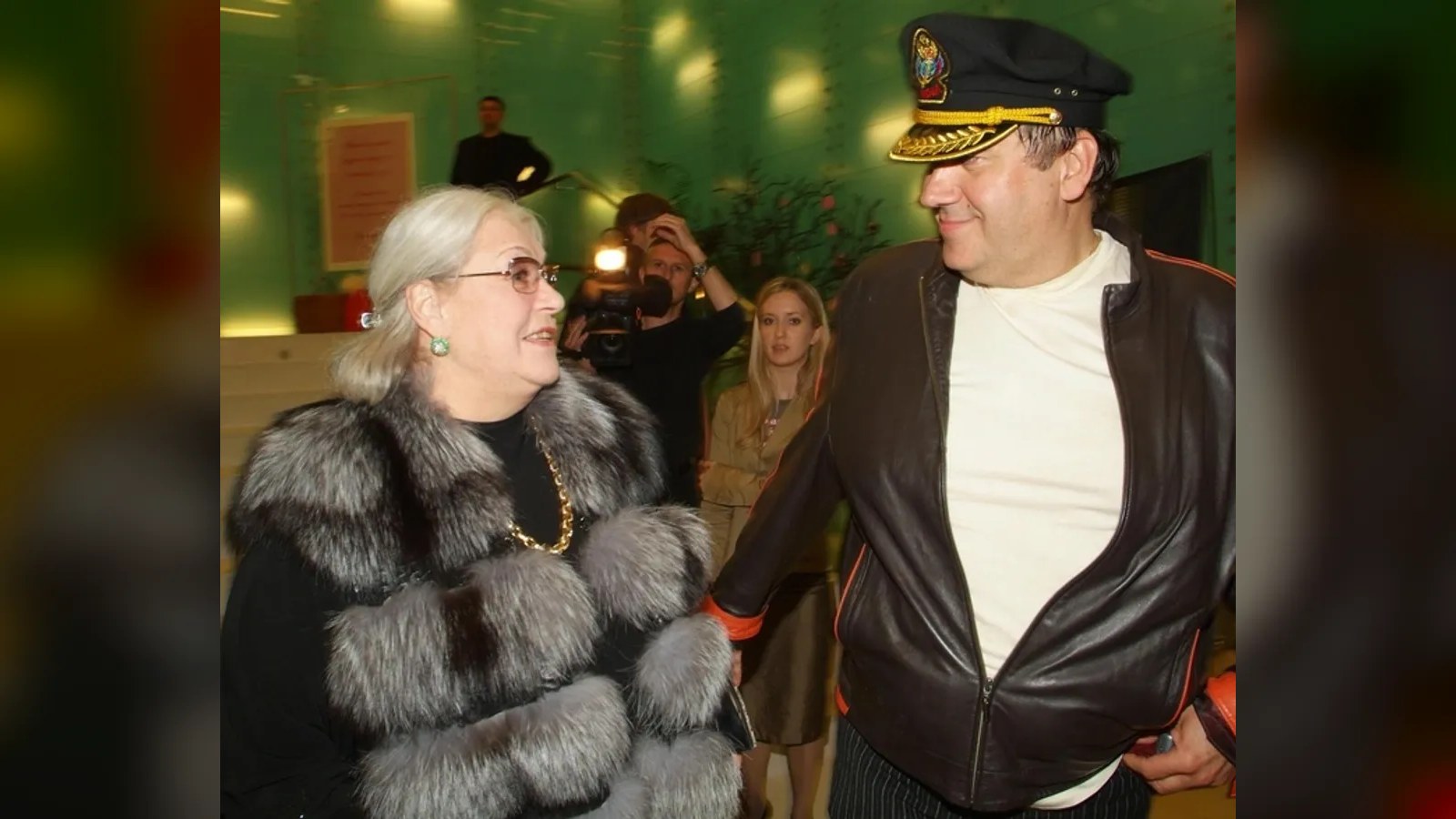
The entertainment world, both in Russia and internationally, is holding its breath as news emerges of legendary People's Artist Lidiya Fedoseyeva-Shukshina falling into a medically induced coma. At 88 years old, the beloved actress's condition is critically severe, with doctors at a leading Moscow intensive care unit fighting tirelessly for her life. This unfolding medical crisis casts a somber shadow over a career spanning decades and a life marked by both artistic triumphs and deeply personal struggles, most notably recent health battles and persistent family discord.
The news broke with a stark clarity that belies the profound concern felt by her admirers and peers. Fedoseyeva-Shukshina is currently intubated, connected to a ventilator, and in a medically induced coma, a critical measure taken by her medical team to stabilize her fragile state and allow her body to recover. The immediate medical challenges are acute and multifaceted: her heart is exhibiting irregular activity, and she is battling severe pulmonary complications. Doctors have already performed a drainage procedure to remove accumulated air from her lungs, a critical intervention to alleviate respiratory distress. The serious risk of developing pneumonia looms large, adding another layer of complexity to an already precarious situation.
This critical hospitalization did not come without warning. Lidiya Nikolaevna has already endured ten days in intensive care, a testament to the severity and protracted nature of her current health crisis. Prior to her urgent admission, the actress experienced a week of escalating symptoms, including increasing shortness of breath and significant swelling. Tragically, despite these alarming signs, she did not seek medical attention during this period. The situation deteriorated to the point where an ambulance became unavoidable; it was called only when Fedoseyeva-Shukshina began to suffocate and lost the ability to walk independently. This delay in seeking medical care highlights the inherent dangers of self-neglect, particularly for an elderly individual with pre-existing conditions.
Lidiya Fedoseyeva-Shukshina's health has been a recurrent concern in recent years. She has been frequently hospitalized due to persistent heart problems, a chronic condition that has undoubtedly contributed to her current fragility. Compounding these physical ailments, the actress also suffers from dementia, a progressive neurological disorder that impacts memory, cognitive function, and daily living. The combination of heart disease, respiratory issues, and dementia presents an exceptionally challenging medical scenario for her doctors.
In her advanced age and with her complex medical profile, Lidiya Nikolaevna relies on the dedicated care of her daughter, Olga Shukshina. Olga Vasilievna has been a constant presence and advocate for her mother, managing her day-to-day needs and navigating the complexities of her health. It was Olga who, just recently, had provided an update to the public, offering a glimmer of hope amidst ongoing concerns. She had reported that her mother's condition, despite being in intensive care, had stabilized and even shown signs of improvement. This latest downturn, therefore, comes as a particularly devastating blow, shattering the cautious optimism that had begun to emerge.
Who is Lidiya Fedoseyeva-Shukshina?
Lidiya Fedoseyeva-Shukshina is far more than just a name in a headline; she is a titan of Russian cinema and theater, a figure whose presence has graced screens and stages for over six decades. Born in 1938, her career began in the late 1950s, rapidly establishing her as an actress of immense talent and versatility. She is perhaps best known for her roles in films directed by her late husband, the legendary Vasily Shukshin, with whom she formed one of the most iconic creative partnerships in Soviet cinema. Their collaboration produced cinematic masterpieces that captured the essence of Russian provincial life and the complexities of the human spirit. Films like "Stoves and Benches" (1972) and "Kalina Krasnaya" (1974) not only cemented her status as a leading actress but also became integral parts of Russian cultural heritage.
Her filmography is extensive, encompassing over 80 roles that span various genres and historical periods. From dramatic roles that explored profound human emotions to comedic performances that showcased her lighter side, Fedoseyeva-Shukshina demonstrated a remarkable range. Her contributions to Russian art and culture were officially recognized with the prestigious title of People's Artist of the RSFSR, an honor bestowed upon outstanding performers who have made significant contributions to the performing arts. This title is the highest accolade for an artist in Russia, signifying national recognition and deep public reverence. Her enduring appeal lies not just in her acting prowess but also in her dignified persona and her embodiment of a certain authenticity that resonated deeply with audiences. She represents a generation of actors who helped define Soviet and post-Soviet cinema, and her health crisis is therefore seen not just as a personal tragedy but as a moment of collective sadness for a nation that reveres its artistic heroes.
Why Does This Story Matter?
The hospitalization of Lidiya Fedoseyeva-Shukshina carries significant weight for several reasons. Firstly, it represents a moment of deep concern for a beloved national icon. For millions, she is a living link to a golden age of Russian cinema, a reminder of powerful storytelling and unforgettable characters. Her potential passing would mark the end of an era, a profound loss for the artistic community and the public alike.
Secondly, the circumstances surrounding her health – the delay in seeking medical attention despite severe symptoms, the ongoing battle with multiple chronic conditions including dementia – underscore broader societal issues concerning elder care and the challenges faced by an aging population. Her story brings into sharp focus the vulnerability of even the most celebrated individuals when confronted with declining health and the complexities of managing chronic illnesses in old age.
Thirdly, the public nature of her family struggles, particularly the strained relationship between her daughters, adds a poignant and deeply human dimension to the story. This aspect resonates with many who have experienced similar family dynamics, making her personal pain relatable despite her celebrity status. The timing of this severe health crisis, while her family remains fractured, adds a layer of sorrow and urgency to the narrative. The tragic irony of a mother lamenting her inability to unite her children, shortly before facing a life-threatening illness, is not lost on observers.
Background: A Life of Triumphs and Tribulations
Lidiya Fedoseyeva-Shukshina's life has been a tapestry woven with threads of extraordinary success, personal devotion, and profound sorrow. Her marriage to Vasily Shukshin was not only a personal union but a creative partnership that yielded some of the most enduring films in Russian cinema. Together, they had two daughters, Maria and Olga, who have themselves followed paths in the public eye, albeit with varying degrees of professional and personal connection to their mother's legacy.
Following Shukshin's untimely death in 1974, Lidiya Nikolaevna continued her acting career with unwavering dedication, demonstrating immense resilience in the face of personal tragedy. She continued to work with prominent directors, proving her worth beyond her association with her late husband. Her later marriages also attracted significant media attention, further cementing her status as a public figure whose life was always under scrutiny.
In recent years, however, the narrative surrounding Fedoseyeva-Shukshina has increasingly shifted from her artistic achievements to her personal struggles, particularly her health and family dynamics. Her public battles with heart problems and the onset of dementia have been widely reported, painting a picture of an icon grappling with the indignities of old age. These health issues have inevitably impacted her quality of life and her ability to live independently.
Perhaps the most emotionally charged aspect of her recent years has been the widely publicized rift between her daughters, Maria and Olga. Maria Shukshina, a well-known actress and television presenter in her own right, and Olga Shukshina, who has also pursued acting and religious studies, have been at loggerheads for an extended period. The exact causes of their deep-seated disagreement are complex and have been the subject of much speculation and media coverage, often involving disputes over property and care for their mother.
Lidiya Nikolaevna herself has repeatedly expressed deep sorrow and regret over this familial estrangement. In a poignant interview given shortly before her current hospitalization, her words revealed a mother's heartache and a profound sense of helplessness. "I can't remember what happened, how the quarrel occurred... They had such love! It was such a joy to watch them, to live for them," she lamented, recalling a happier past. This statement underscores the depth of her emotional pain, suggesting that the memory of the initial cause of the quarrel might be obscured by her dementia, or simply overshadowed by the enduring agony of the rift itself.
Her further reflections conveyed a sense of resignation and a desperate desire for reconciliation that remained unfulfilled: "And now neither one nor the other will meet each other halfway. Masha doesn't answer the phone, doesn't want to talk. In general, it's all difficult for me. I have lived a difficult but wonderful life. Wonderful people were by my side, I love everyone very much. But I just can't unite my girls. I don't know how to do it, I would do anything..." These words paint a vivid picture of a mother's anguish, a woman who, despite a lifetime of achievements, found herself unable to mend the most important relationships in her personal world. Her contemplation of mortality at that time – "How much longer I have to live, God knows. Today I am here, and tomorrow, perhaps, I will fall asleep and not wake up" – now takes on a chilling prescience in light of her current critical condition.
The ongoing family drama adds a tragic backdrop to her current medical emergency. While Olga Shukshina provides direct care for her mother, the apparent lack of reconciliation with Maria casts a long shadow. The question of whether this severe health crisis will finally prompt a rapprochement between the sisters remains unanswered, but it is undoubtedly on the minds of many who follow this unfolding story. The collective hope is that, regardless of their past differences, the sisters can find a way to unite in their mother's hour of greatest need.
As Lidiya Fedoseyeva-Shukshina lies in a medically induced coma, dependent on sophisticated medical technology to sustain her life, the world watches and waits. Her journey, a testament to a life lived in the public eye, continues to unfold with raw honesty, reminding us of the fragility of life, the complexities of family, and the enduring power of human spirit even in its most vulnerable state. The fight for her life is not just a medical battle; it is a moment of collective reflection on the legacy of an icon and the unresolved threads of a very human existence.