Kate Middleton Will Eclipse Queen Camilla? Decoding the Dynamics of Royal Power and Popularity

The Enduring Royal Narrative: Popularity, Succession, and Scrutiny

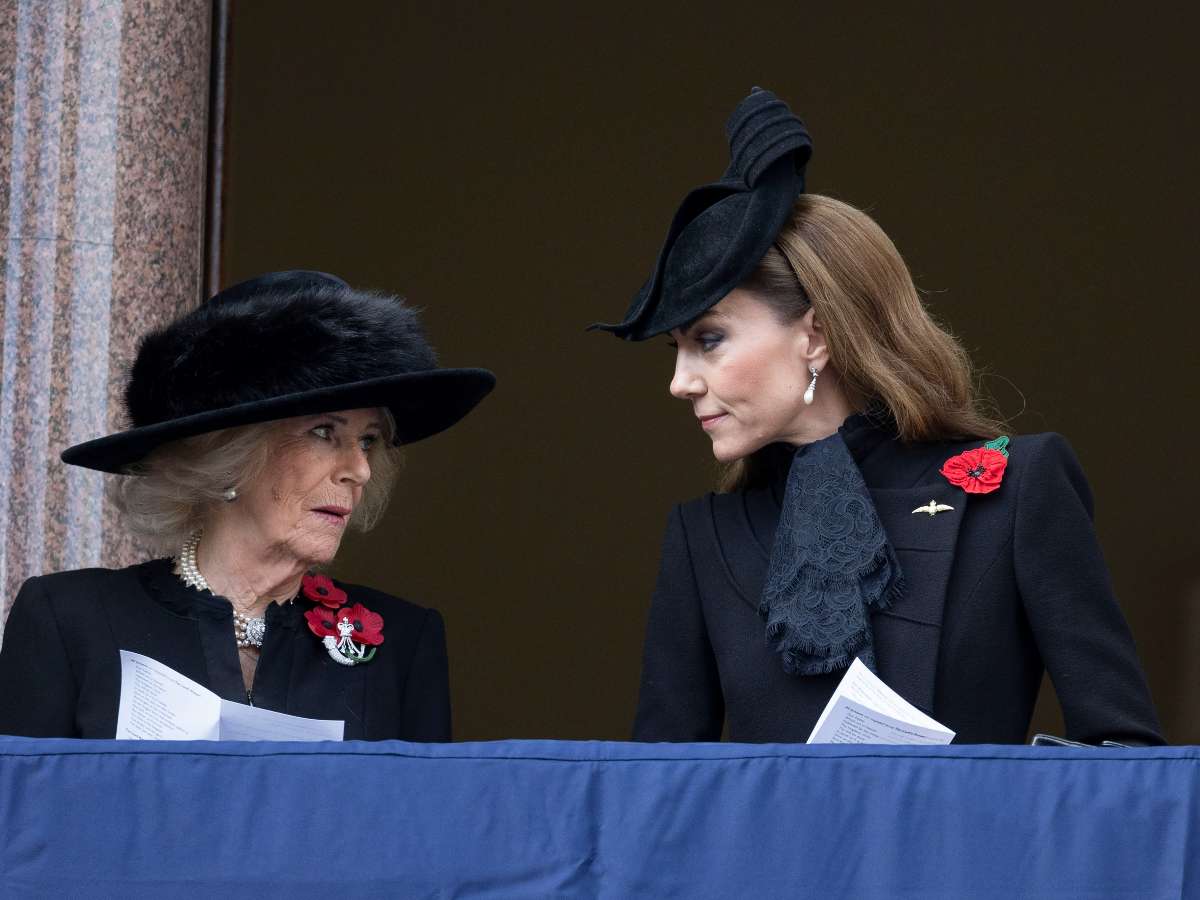
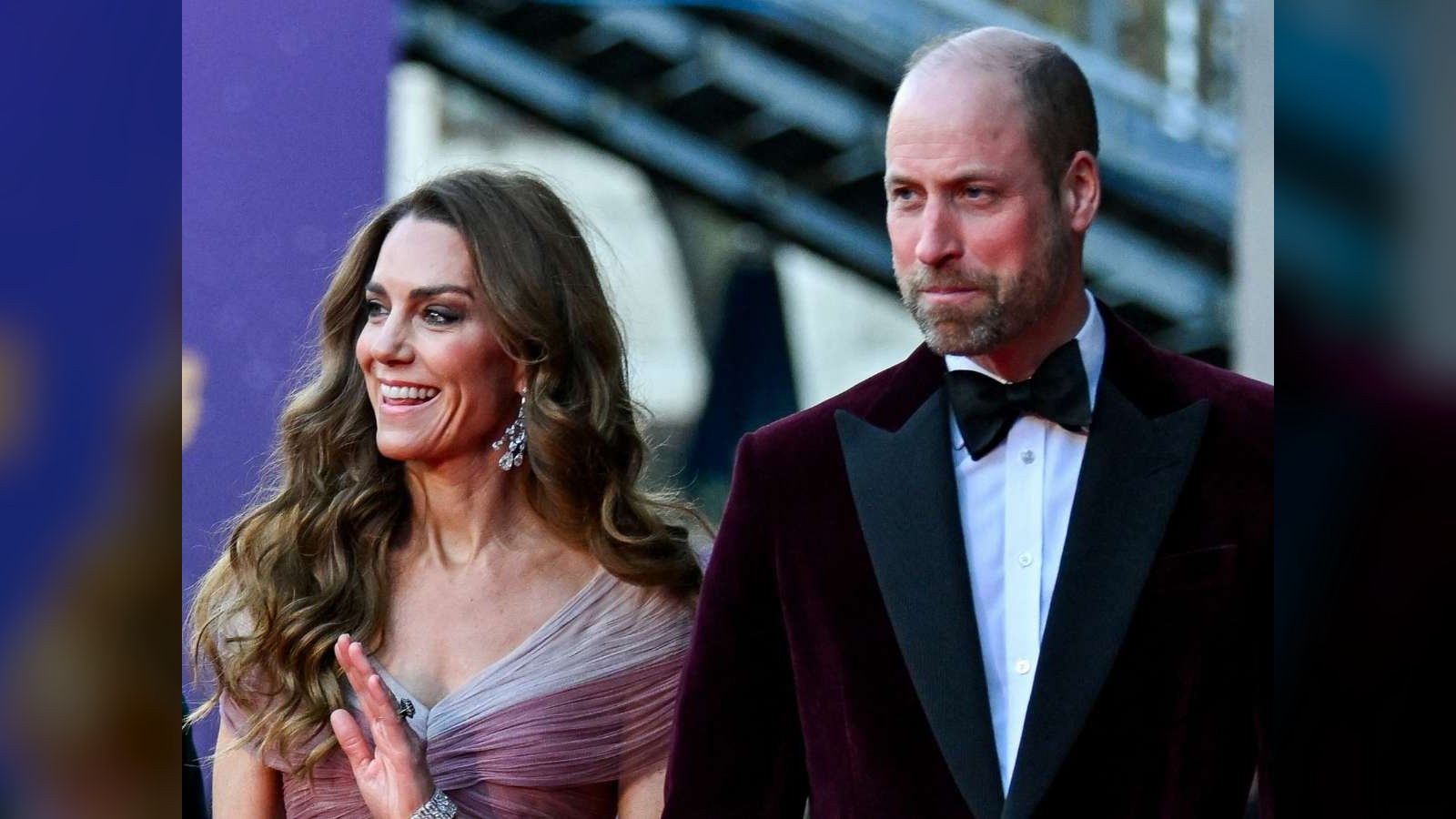
The British monarchy, a venerable institution steeped in tradition, constantly navigates a delicate balance between continuity and change. At its heart lies a perpetual fascination with its key figures, particularly those who stand to shape its future. In recent times, the spotlight has fallen intensely on the relationship and perceived rivalry between Queen Camilla and Catherine, Princess of Wales, more commonly known as Kate Middleton. Whispers of a behind-the-scenes struggle continue to circulate, fueled by an avid public and a persistent media machine, even in the absence of any overt confrontation. These narratives often pit the established royal against the ascendant star, creating a compelling drama that resonates with audiences globally.

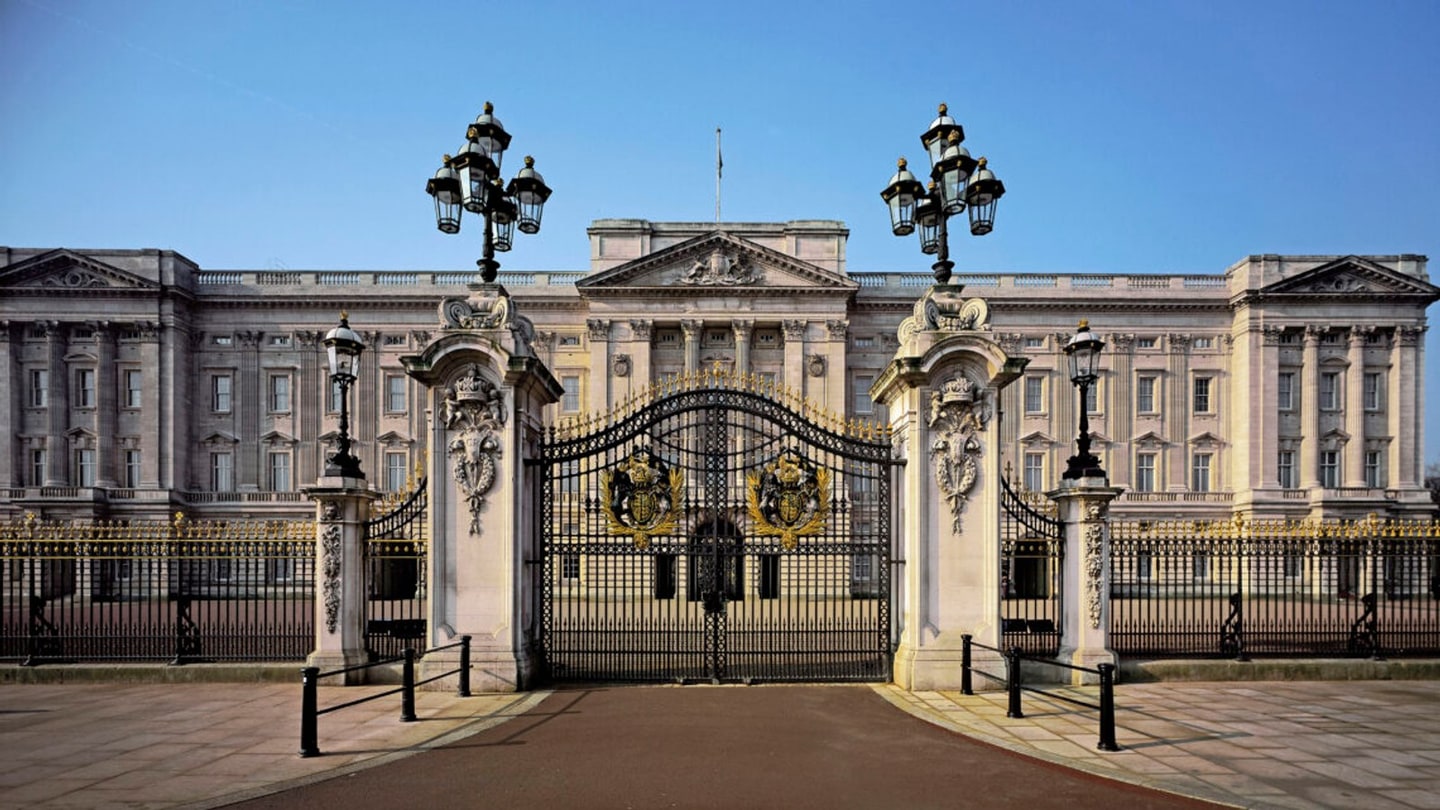
Insiders, frequently cited in royal commentary, suggest that Queen Camilla views Kate Middleton's escalating popularity and her transformation into a formidable royal figure with disfavor. This alleged sentiment taps into the broader theme of generational shifts within the monarchy and the perennial challenge of maintaining relevance and public affection. Buckingham Palace and Kensington Palace, consistent with their long-standing policy regarding speculative press, have maintained a resolute silence on these purported “leaks.” This official reticence, while expected, often serves only to intensify public curiosity and fuel further conjecture.

Camilla's Journey: A Long Road to Royal Acknowledgment

To fully grasp the current dynamics, it is crucial to understand Queen Camilla's own unique and often challenging journey into the heart of the British monarchy. Her path to marriage with King Charles III (then Prince Charles) was protracted and characterized by significant public scrutiny and, at times, considerable controversy. For decades, Camilla endured the unenviable position of being the "other woman" in the highly publicized and ultimately tragic marriage of Charles and Diana, Princess of Wales. Her eventual marriage to Charles in 2005, and her subsequent evolution from Duchess of Cornwall to Queen Consort, then Queen, represents a remarkable personal and public rehabilitation.

Throughout this arduous journey, Camilla meticulously prepared herself for the demanding responsibilities of royal duties. Her dedication, resilience, and quiet commitment to her role gradually earned her increased public acceptance, if not immediate widespread adoration. She consistently supported Charles in his various endeavors, took on numerous charitable patronages, and performed her duties with an understated professionalism. However, despite her long and difficult ascent to royal prominence, her entry onto the throne alongside King Charles III was almost immediately overshadowed by an unprecedented series of events.

A Royal House Under Strain: Health Crises and Shifting Popularity

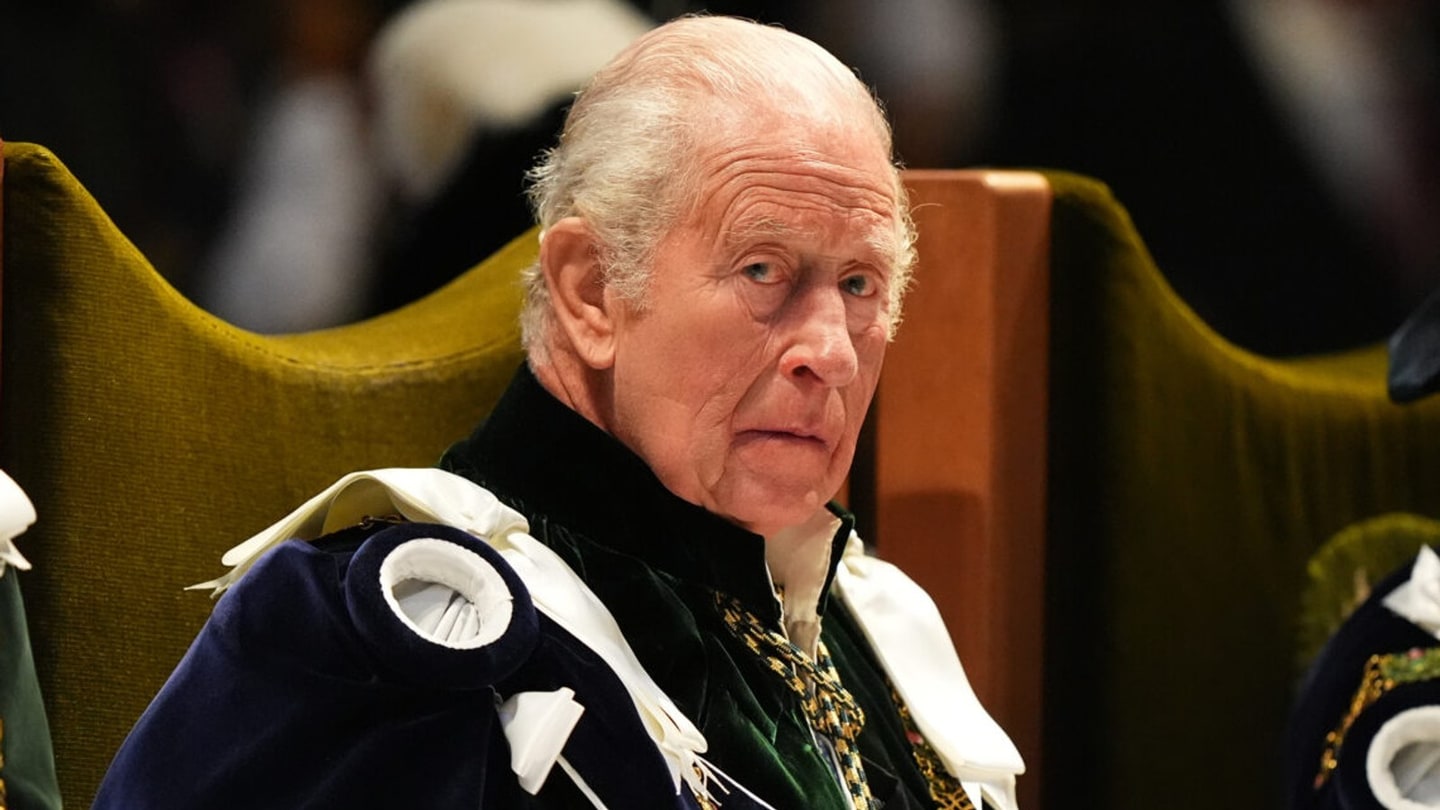
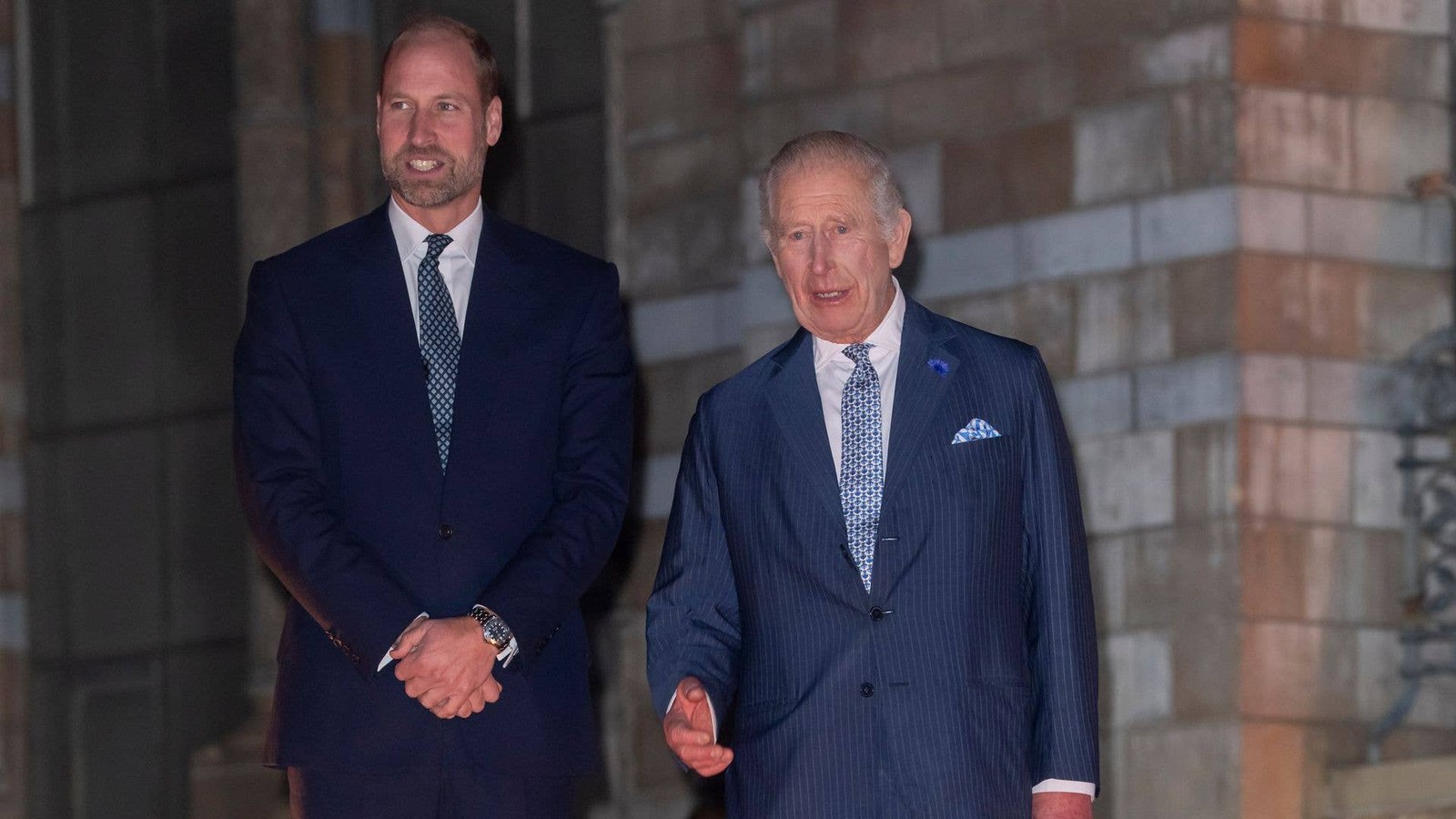
The year marking Charles and Camilla's ascent to the throne was marred by significant challenges, notably the King's cancer diagnosis, which almost simultaneously coincided with a similar grave illness for Kate Middleton. These parallel health crises plunged the royal family into a period of acute uncertainty and emotional strain. The immediate consequence was a dramatic reallocation of royal workload. Queen Camilla, a stoic and steady presence, was thrust into an even more demanding schedule, effectively having to "work for two" during her husband's treatment and recuperation. Her visibility and workload increased dramatically as she became the de facto public face of the monarchy during a period of considerable vulnerability.

Yet, amidst this heightened period of responsibility for Camilla, a different narrative began to emerge, particularly as public sympathy and interest coalesced around the Princess of Wales. According to insiders, even as Camilla diligently undertook her increased duties, she could not escape observing the burgeoning love and outpouring of support for Kate Middleton. This emotional response from the public towards Kate, particularly during her health struggles, inevitably drew comparisons and highlighted the differing manners in which the public connects with various royal figures.

The Enigma of Royal Relationships: Unspoken Dynamics

The precise nature of the relationship between Queen Camilla and her presumed successor, Kate Middleton, remains largely shrouded in the inherent discretion of the royal household. Unlike public figures in other spheres, members of the royal family rarely offer candid assessments of their personal dynamics. This reticence, while preserving an air of mystique, often leaves ample room for speculation and interpretation, especially when it comes to the complex interplay between two prominent royal women.

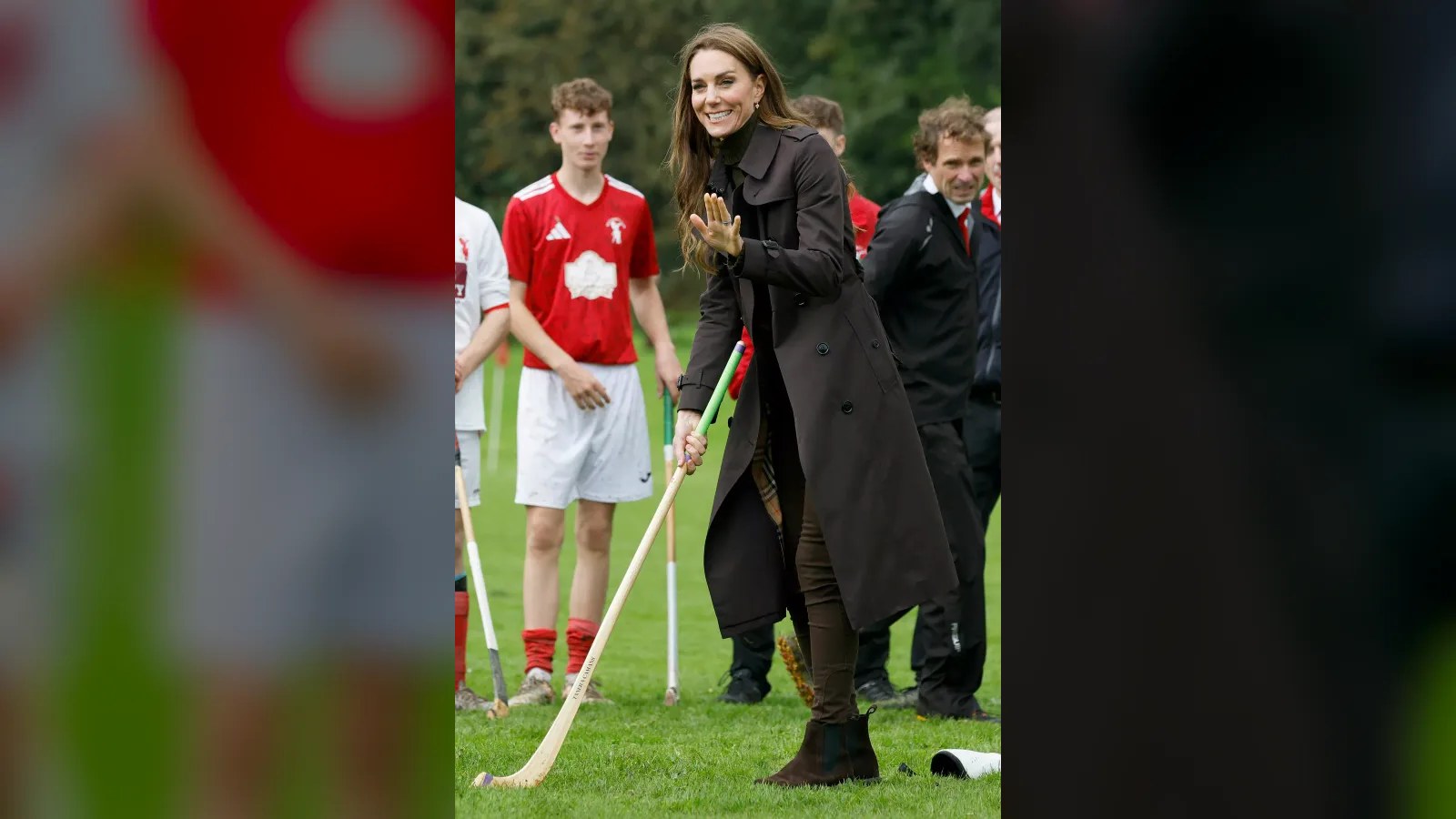
However, the public’s perception, shaped by media narratives and official engagements, often points to a dynamic where Kate Middleton, despite her own personal challenges, increasingly captures the public imagination and affection. Her poised demeanor, commitment to her royal duties, and aspirational image as a future Queen Consort resonate deeply with many. This widespread admiration is what gives rise to the speculation that Kate could, or indeed might already, "eclipse" her mother-in-law in terms of popular appeal, a subtle but significant form of influence within the monarchy.

Astrological Insights: Predictions for 2026 and Beyond

In an attempt to peer into the future of these complex royal dynamics, some turn to less conventional forms of analysis. Renowned astrologer Debbie Frank, known for her interpretations of royal fortunes, has offered a particularly pertinent prediction regarding changes for the Queen of Great Britain in 2026. According to Frank, within this coming period, Middleton and other younger members of the Crown are poised to play a "key role," signaling a potential shift in the distribution of royal duties and visibility.

Frank's astrological forecast suggests that Kate Middleton will indeed have an opportunity to "overshadow" her mother-in-law. However, this period of intensified prominence for Kate is predicted to be relatively brief. This nuance is crucial, implying a temporary surge rather than a permanent displacement, perhaps reflecting a strategic realignment of roles within the monarchy rather than an outright power struggle.

Camilla's Evolving Role: Strategy, Self-Care, and Shared Burdens

Debbie Frank elaborates further on Queen Camilla's evolving role, particularly focusing on the current year. "The dynamic of her relationship with Charles as king and husband, and the demands on the queen, are being rewritten this year," Frank states. This indicates a significant period of redefinition for Camilla, both in her personal relationship with the monarch and in her public responsibilities. The demands placed upon her have undoubtedly been colossal, especially with the King's health issues, necessitating a strategic reassessment of her commitments.

The astrologer predicts a clearer demarcation of Camilla's role from April onwards, characterized by a "clear strategy." This suggests a conscious effort by the Palace to manage Camilla's workload and define her core responsibilities, potentially to prevent overextension or burnout. A key component of this strategy involves her "stepping back from duties that younger members of the royal family could perform." This aligns with the idea of a phased handover of responsibilities and increased visibility for the Prince and Princess of Wales and other younger royals, thereby allowing for a natural progression and rejuvenation of the monarchy's public image. It also directly supports the idea that younger members, including Kate, will indeed play a more prominent role.

Frank also highlights an increasing emphasis on Camilla's personal well-being. "Camilla's own priorities and her personal needs for time and space become clearly noticeable in May and again in the autumn period," the astrologer observes. This suggests a recognition of the immense pressure she has been under and a planned period for her to prioritize self-care and recuperation. Such a focus on personal needs, while understandable, also inherently creates space for other members of the family to step forward.

Despite these periods of potential reduced visibility for personal reasons, Frank anticipates moments of significant public presence. "In July, both she and the king will put on a strong royal show on center stage," she predicts. This implies that while Camilla’s overall workload might be strategically managed, there will still be key occasions where she and King Charles will be at the forefront of royal engagements, reinforcing their positions as the principal figures of the monarchy.

However, the latter part of the year once again emphasizes the need for personal focus. "However, October requires time for self-care and deeper rest," Frank concludes. This consistent theme of strategic scaling back and prioritizing personal well-being for Camilla throughout the year reinforces the notion that the dynamics within the royal family are indeed being "rewritten," with an intentional effort to distribute duties and provide space for all members, including, significantly, the younger generation.

In essence, whether through astrological prediction or astute observation of royal trends, the future appears to hold a more defined, yet potentially less all-encompassing, role for Queen Camilla, creating a natural vacuum for the increasing visibility and influence of the Princess of Wales and other younger royals. This shift is not necessarily indicative of a hostile "eclipsing" but rather a strategic evolution within the British monarchy, ensuring its continuity and relevance in an ever-changing world.