 Dmitry Yurov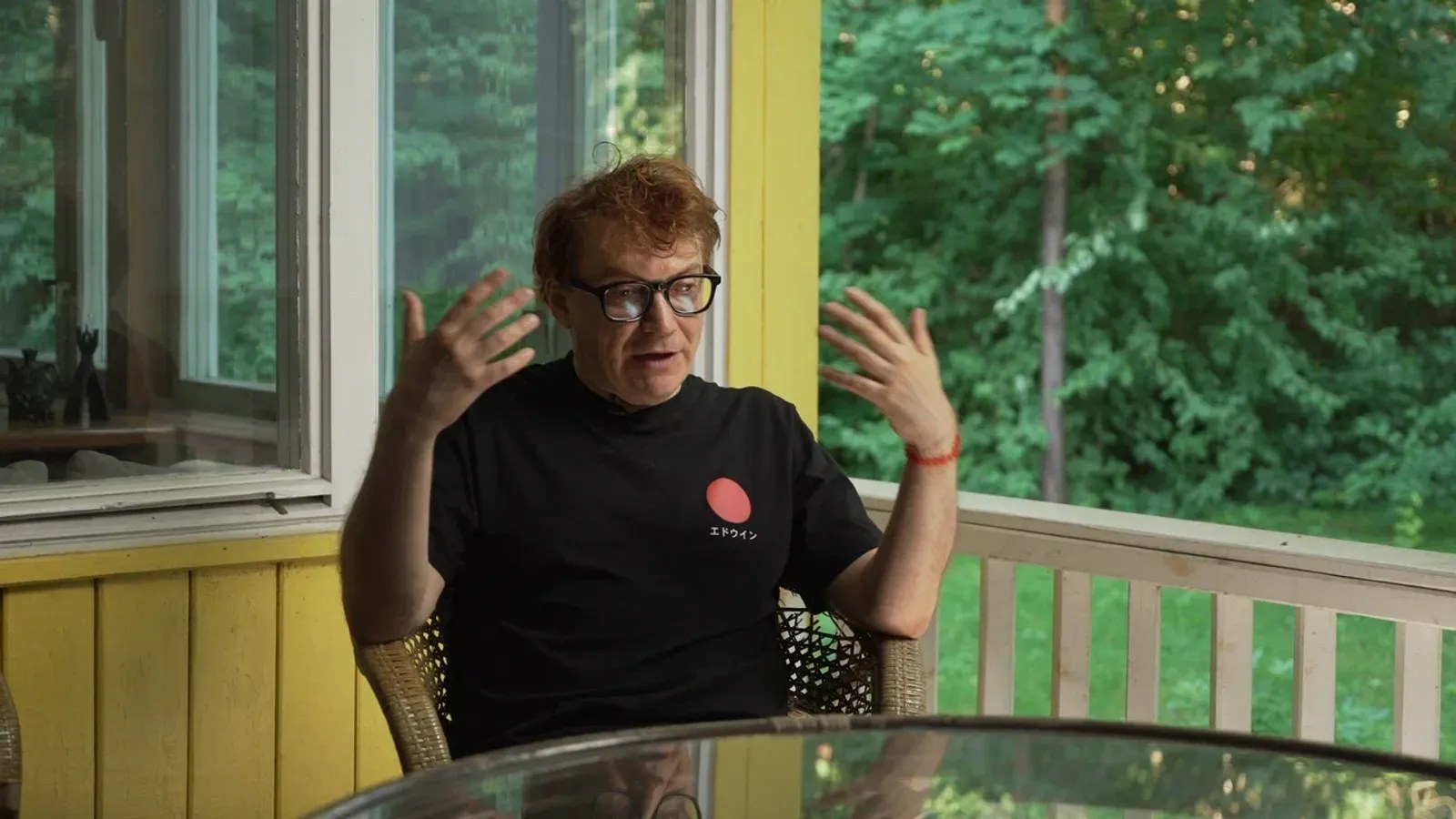
Neden bir zamanlar tüm ülkenin okuduğu İlya Ehrenburg, yeni nesillerin okuma deneyiminden neredeyse kayboldu? Ve neden tam da şimdi onun kitapları beklenmedik bir şekilde güncel tınlıyor? Gelecek filmin yazarları, bu soruların yanıtlarını yazar ve sanatçı Pavel Pepperstein ile sanat tarihçisi, sanat yapımcısı, koleksiyoner, "Vellum" galerisinin kurucusu Lyubov Agafonova ile birlikte aradılar.
Nikolina Gora'da, "İlya Ehrenburg'un Zafer Günü" adlı belgesel filmin en önemli çekim günlerinden biri tamamlandı. Filmin yönetmeni Artemy Belov ve "Cinema Line" stüdyosu ("Mosfilm"), Rusya Federasyonu Kültürel Girişimler Başkanlık Fonu'nun desteğiyle çekimleri gerçekleştiriyor.

Yeni bölümün konukları Pavel Pepperstein ve Lyubov Agafonova oldu. Görüşülen kişilerin seçimi bile filmin amacını ortaya koyuyor: Yazarlar sadece Ehrenburg'un biyografisiyle değil, aynı zamanda günümüz kültüründeki varlığıyla da ilgileniyorlar. On yıllar sonra, neden modern sanatsal ve entelektüel gündemi belirleyen insanlar yeniden bu yazara yöneliyor?
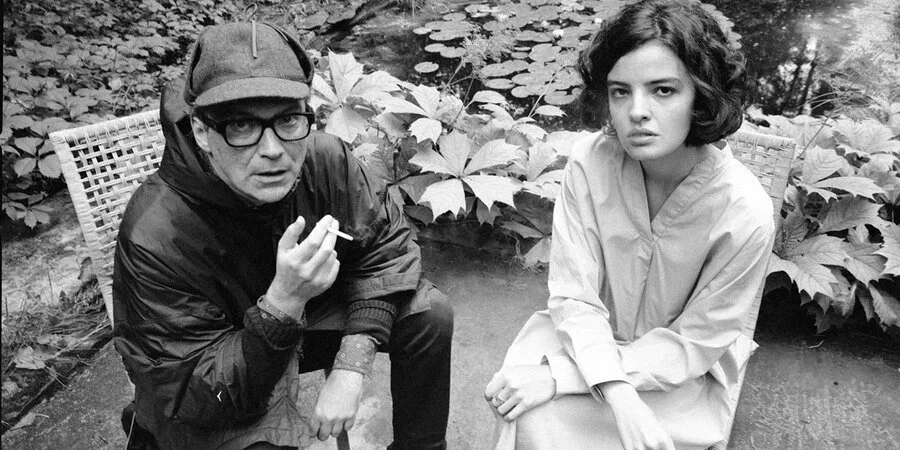
İlya Ehrenburg, Rusya'nın 20. yüzyılının en karmaşık ve açıklanması en zor figürlerinden biri olmaya devam ediyor. Devrimlerin ve savaşların tanığı, Pablo Picasso ve önde gelen Avrupalı sanatçıların dostu, tüm bir döneme adını veren "Çözülme" adlı öykünün yazarı olan yazar, gazeteci ve savaş muhabiri; aynı anda hem Sovyet hem de Avrupa, hem edebi hem de sanatsal birçok dünyaya aitti.
Çekim yerinin Nikolina Gora olması tesadüf değil; onlarca yıldır yazar, sanatçı, yönetmen, bilim insanı ve müzisyenlerin buluştuğu efsanevi eski bir tatil köyü. Böyle bir ortamda Ehrenburg hakkında bir konuşma özel bir tona bürünüyor. Bu sadece tek bir kişinin hikayesi değil, aynı zamanda eski evlerde, aile kütüphanelerinde ve nesilden nesile aktarılan kitaplarda yaşamaya devam eden kültürel bellekle ilgili bir konuşma.
Pavel Pepperstein, Ehrenburg'un "Julio Jurenito", "Avrupa'nın Sonu" ve "13 Tüp" gibi birçok eserini hatırlıyor. Ancak geleneksel edebiyat eleştirisi analizi yerine, bu yazarın içsel doğasını belirlemeye çalışıyor. Pepperstein, Ehrenburg'un formülünü beklenmedik ve doğru bir şekilde buluyor:
"Sinizme karşı duygusal tutum".
Ona göre, özellikle günümüzde "Avrupa'nın Sonu" romanı çok güncel algılanıyor. Ehrenburg, neredeyse yüz yıl önce bu romanda yavaş yavaş kaybolan Avrupa dünyasını; savaşların, salgınların ve medeniyet felaketlerinin yaşandığı bir alanı resmetmişti. Şimdi bu imgelerin birçoğu artık edebi bir fantezi olarak değil, geleceğe dair endişe verici bir önsezi olarak okunuyor.
Filmin ana bölümlerinden biri, Pepperstein'ın Lyubov Agafonova ile konuşması olacak. Filmin tamamına damgasını vuran soruyu tam da o dile getiriyor: Bir zamanlar ülkedeki hemen hemen her okuyucunun tanıdığı yazar, bugün yeni nesil tarafından neden neredeyse unutuldu - ve neden şimdi onu yeniden keşfetmek özellikle önemli?
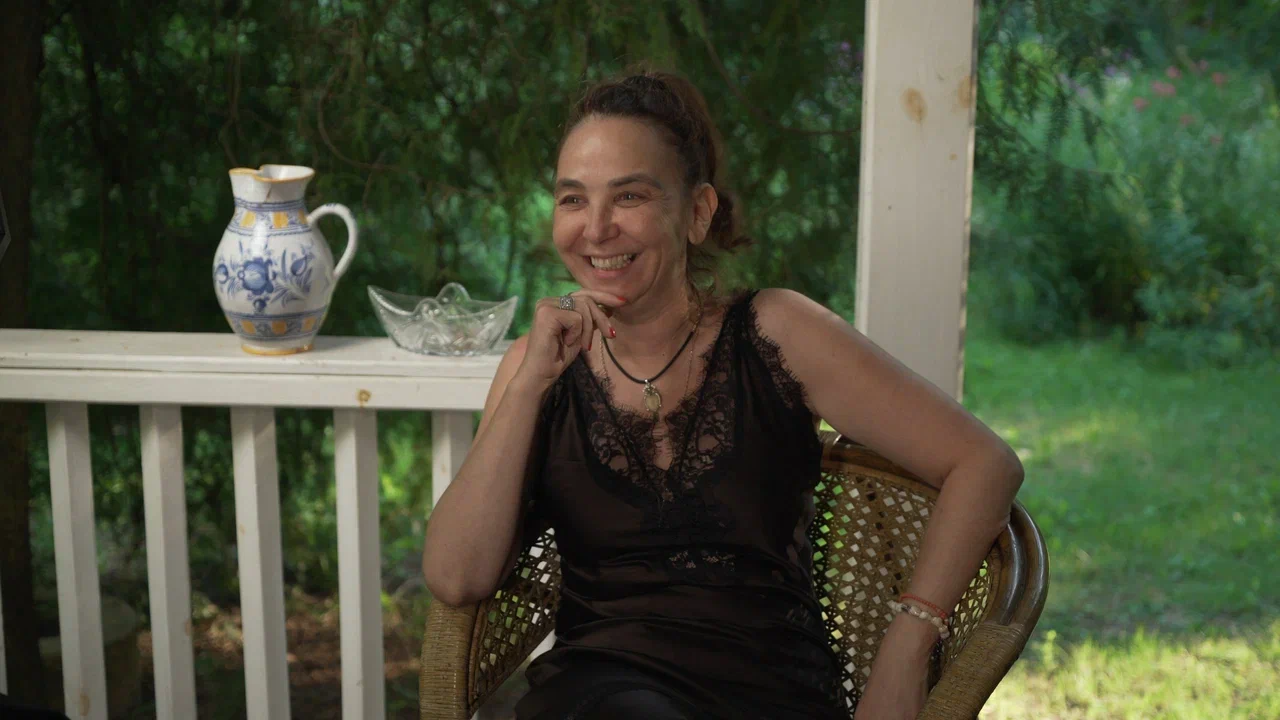
Bu konuda düşünürken, Pepperstein eski bir tatil köyü kütüphanesinin özel fenomenini hatırlıyor. Yaz aylarında, bir ailenin onlarca yıldır yaşadığı evde raflarda, sanki kimse tarafından özel olarak seçilmemiş rastgele kitaplar bulunuyor. Matbaa mürekkebi, eski kağıt, yağmurlar, kış karı ve tatil köyünün kendisi gibi kokuyorlar. Ve bazen, özenle seçilmiş edebi yeniliklerden daha güçlü bir okuyucu kitlesi oluşturanlar tam da böyle buluntulardır.
Pepperstein'ın kendisi için Ehrenburg tam da böyle bir kitap olmuştu - neredeyse şans eseri bulunan ama onunla sonsuza dek kalan.
"Bu konuşmayı Moskova yakınlarındaki klasik bir tatil köyü atmosferinde boşuna kaydetmiyoruz" diyor yazar.
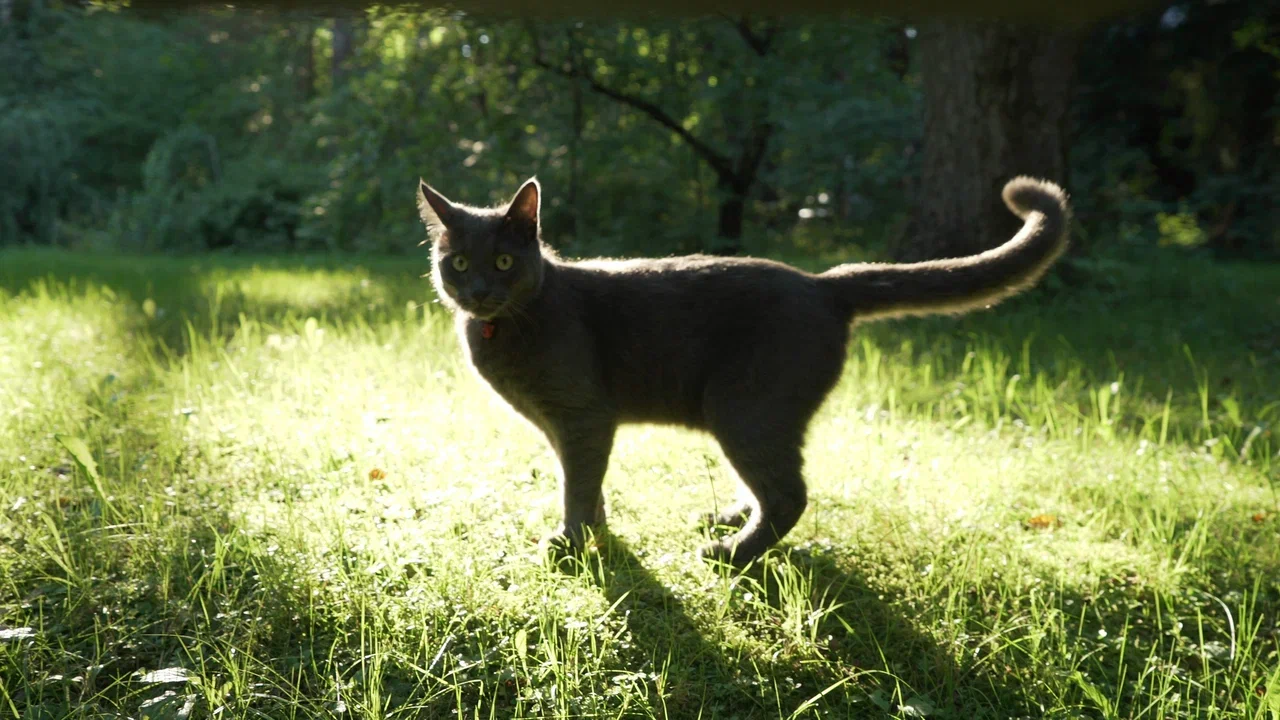
Çekimler sırasında film için tamamen beklenmedik bir başka karakter daha ortaya çıktı: gri renkli tatil köyü kedisi Dymok. Birkaç kez sakin bir şekilde kameranın önünden geçti, çekim ekibine yerini bırakmaya en ufak bir istek göstermedi. Dymok'u kovmadılar. Belki de onun küçük kamera hücresi, kitapların, anıların ve şimdiki zamanın birbirleriyle sessizce sohbet etmeye devam ettiği tatil köyü dünyasının bir başka canlı detayı olarak filmin nihai versiyonunda yer alacaktır.