GetCelebrity Editorial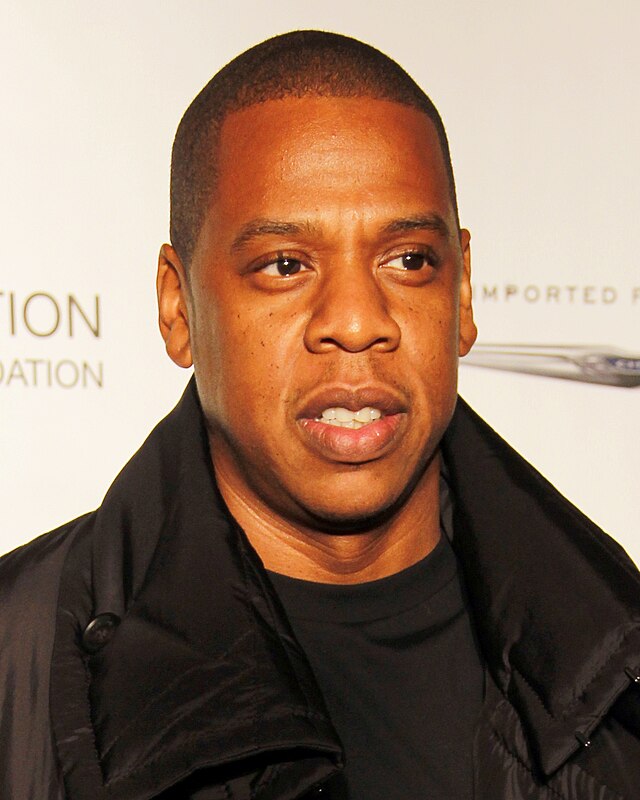
Jay-Z: The Business Empire Behind Roc Nation, D'Ussé
Jay-Z built a $2.5 billion fortune by turning down the music industry's gatekeepers—only to become one himself.[1] Rejected by every major label in 1995, he co-founded his own imprint and spun it into an entertainment conglomerate that now handles everything from J. Cole's albums to Kevin Durant's deals. It's the rare case where the outsider's grudge fueled a lasting inside game.
The Rejection That Built an Independent Powerhouse
Picture this: a Brooklyn rapper shops his demo to giants like Atlantic and Columbia, gets shut out, and responds by starting his own shop.[3] In 1995, Jay-Z teamed up with Damon Dash and Kareem 'Biggs' Burke to launch Roc-A-Fella Records, a scrappy operation born from necessity.[1] The move paid off fast. Just a year later, in 1996, they dropped his debut album Reasonable Doubt, a gritty street narrative that put the label on the map and sold enough to prove indies could compete with the majors.[2]
That DIY ethos stuck. By 1999, Jay-Z and Dash expanded into clothing with Rocawear, a line of urban gear that started with basics like jeans and jerseys before branching wider.[4] It tapped the same fanbase fueling his music, turning cultural cachet into shelf space. The brand hit its stride in the early 2000s, but Jay-Z saw the exit before the peak—selling it to Iconix Brand Group in 2007 for $204 million, a haul that dwarfed the typical rapper's merch side hustle.[1] At a time when hip-hop acts were lucky to clear seven figures on endorsements, this was a clean flip that funded bigger plays.
Meantime, Jay-Z climbed the corporate ladder elsewhere. In 2004, he stepped into the role of president and CEO at Def Jam Recordings, a Universal subsidiary that housed stars like Kanye West and Rihanna.[3] He ran the show until 2008, signing deals and steering releases that boosted the label's bottom line—experience that sharpened his eye for the full entertainment machine.[7]
| Date | Event |
|---|---|
| 1995 | Jay-Z co-founded Roc-A-Fella Records with Damon Dash and Kareem 'Biggs' Burke after facing rejections from major labels.[1][3] |
| 1996 | Roc-A-Fella Records released Jay-Z's debut album Reasonable Doubt, marking the label's first major success.[3][2] |
| 1999 | Jay-Z and Damon Dash launched Rocawear, a streetwear clothing brand that expanded into jeans, jerseys, and more.[4][1] |
| 2004 | Jay-Z became president and CEO of Def Jam Recordings, overseeing major artists during his tenure until 2008.[3] |
| 2007 | Jay-Z sold Rocawear to Iconix Brand Group for $204 million.[1][4] |
Roc Nation: From Label to All-in-One Empire
With Roc-A-Fella winding down and his Def Jam gig ending, Jay-Z didn't retreat—he scaled up. In 2008, he founded Roc Nation as a full-service entertainment outfit, folding in a record label, talent management, music publishing, and touring under one roof.[1] It was Roc-A-Fella 2.0, but broader: a one-stop shop that could nurture artists from demo to stage without handing cuts to middlemen.[2] The first signee? J. Cole, whose introspective style echoed Jay-Z's own early work and helped the label gain traction.[3]
Distribution was key to making it stick. Roc Nation inked a deal with Sony Music in 2009, getting global reach without losing creative control.[1] That setup held until 2013, when they shifted to a multi-year partnership with Universal Music Group, aligning with a major that could push releases harder amid streaming's rise.[2] The timing was sharp: as physical sales cratered—down 80% from 2000 peaks by then—Roc Nation's publishing and management arms provided buffers, turning artist rosters into steady revenue streams.[3]
Jay-Z's touch showed in the bets on talent and structure. By keeping operations in-house, he avoided the fragmentation that sank other indie labels. Roc Nation wasn't just dropping albums; it was building careers, from Cole's platinum runs to broader management deals that locked in long-term value.[8] And in a dry twist of industry logic, the company that started as a rebellion against labels now partners with the biggest ones—proving the real win is playing both sides.
| Date | Event |
|---|---|
| 2008 | Jay-Z founded Roc Nation as a full-service entertainment company encompassing music, management, publishing, and branding, succeeding Roc-A-Fella.[1][2][3] |
| 2009 | Roc Nation signed a distribution deal with Sony Music.[1] |
| 2013 | Roc Nation signed a multi-year partnership with Universal Music Group in April.[1][2][3] |
"I'm not a businessman, I'm a business, man."
— Jay-Z, September 13, 2005[10]
Sports and Spirits: Expanding the Playbook
Roc Nation's music core was solid, but Jay-Z eyed adjacencies where his brand could command premiums. In 2013, he launched Roc Nation Sports, diving into athlete representation with high-profile clients that bridged hip-hop's street cred to the NBA's boardrooms.[1] It was a natural pivot: the same management savvy that guided rappers now handled endorsements and contracts for pros, creating synergies like joint tours or branded events.[3]
Then came the liquor angle, a sector where celebrity tie-ins often flop hard—think overpriced vodka from faded stars. Jay-Z flipped the script with D'Ussé cognac. He acquired the brand in 2014, positioning it as a smooth, upscale sipper for the cognac crowd, which was growing 5% yearly as brown spirits outpaced white ones.[5] The payoff came in 2023, when he sold a controlling stake to Bacardi for about $750 million, valuing the whole operation at $3 billion—a multiple that made his initial buy look like pocket change.[5] Compared to the $204 million from Rocawear, this exit showed how far his playbook had evolved: from apparel flips to global spirits dominance.
These moves weren't random. Roc Nation Sports added diversity to the portfolio, pulling in fees from a $10 billion athlete agency market, while D'Ussé tapped the $8 billion U.S. cognac slice.[7] Jay-Z's net worth, pegged at $2.5 billion, reflects the compound effect—music as the engine, but ventures like these as the accelerators.[6] He didn't just diversify; he picked spots where culture and commerce overlap tightest.
| Date | Event |
|---|---|
| 2013 | Jay-Z launched Roc Nation Sports, entering athlete representation with clients like Kevin Durant, and signed a partnership with Universal Music Group.[1][2][3] |
| 2014 | Jay-Z acquired D'Ussé cognac brand, later selling a controlling stake to Bacardi in 2023 for approximately $750 million at a $3 billion valuation.[5] |
The Hidden Strength in Vertical Control
What sets Roc Nation apart isn't the glamour—it's the plumbing. By owning the stack from signing to touring, Jay-Z cuts out the 20-30% labels typically skim, keeping more for artists and himself.[8] D'Ussé works the same way: acquiring the brand outright let him control marketing, from bottle design to Beyoncé cameos, without diluting equity early.[5] Critics might call it overreach, but the numbers silence them—$2.5 billion in wealth from a guy who started with no offers says the control pays.
Still, risks lurk. Streaming royalties hover at pennies per play, and sports agencies face agent wars, while spirits hinge on trends like premiumization.[9] Jay-Z's edge? He treats each arm as interconnected, using music fame to boost sports clients and vice versa. Whether that holds as competitors copy the model remains the open question.
In the end, Jay-Z's empire sits at the heart of hip-hop's shift from subculture to corporate force, where artists don't just perform—they own the arena. As majors consolidate and streaming giants squeeze margins, this blueprint of independence-through-integration could redefine how creators claim their slice, turning yesterday's outsiders into tomorrow's kingmakers.
Sources
- [1] Hustler to Billionaire: The Untold Secrets Behind Jay-Z's Business... — primalmogul.com
- [2] The Undeniable Business Empire of Jay Z — resultsandnohype.com
- [3] Reported Roc Nation - Wikipedia — en.wikipedia.org
- [4] Jay-Z: The Businesses That Made His Billion-Dollar Empire — 975thefanatic.com
- [5] How Jay Z Built an Empire - YouTube — youtube.com
- [6] How Jay-Z Became a Billionaire: “I'm Not A Businessman, I'm A... — thenetworkcapital.com
- [7] Inside Jay-Z's Entrepreneurial Vision for His Many Notable Businesses — businessinsider.com
- [8] Jay-Z Business Strategy Decoded: Ownership, Use, Taste — sociallifemagazine.com
- [9] Life with Jay Z, Roc Nation Empire & History with P Diddy - YouTube — youtube.com
- [10] 17 JAY-Z lyrics that would make great Instagram captions - Revolt TV — revolt.tv
Frequently asked questions
What year was Jay-Z rejected by every major label?
Jay-Z was rejected by every major label in 1995.
What types of deals does Jay-Z's entertainment conglomerate now handle?
Jay-Z's entertainment conglomerate now handles everything from J. Cole's albums to Kevin Durant's deals.
What labels rejected Jay-Z's demo?
Atlantic and Columbia are two of the labels that rejected Jay-Z's demo.