 GetCelebrity Editorial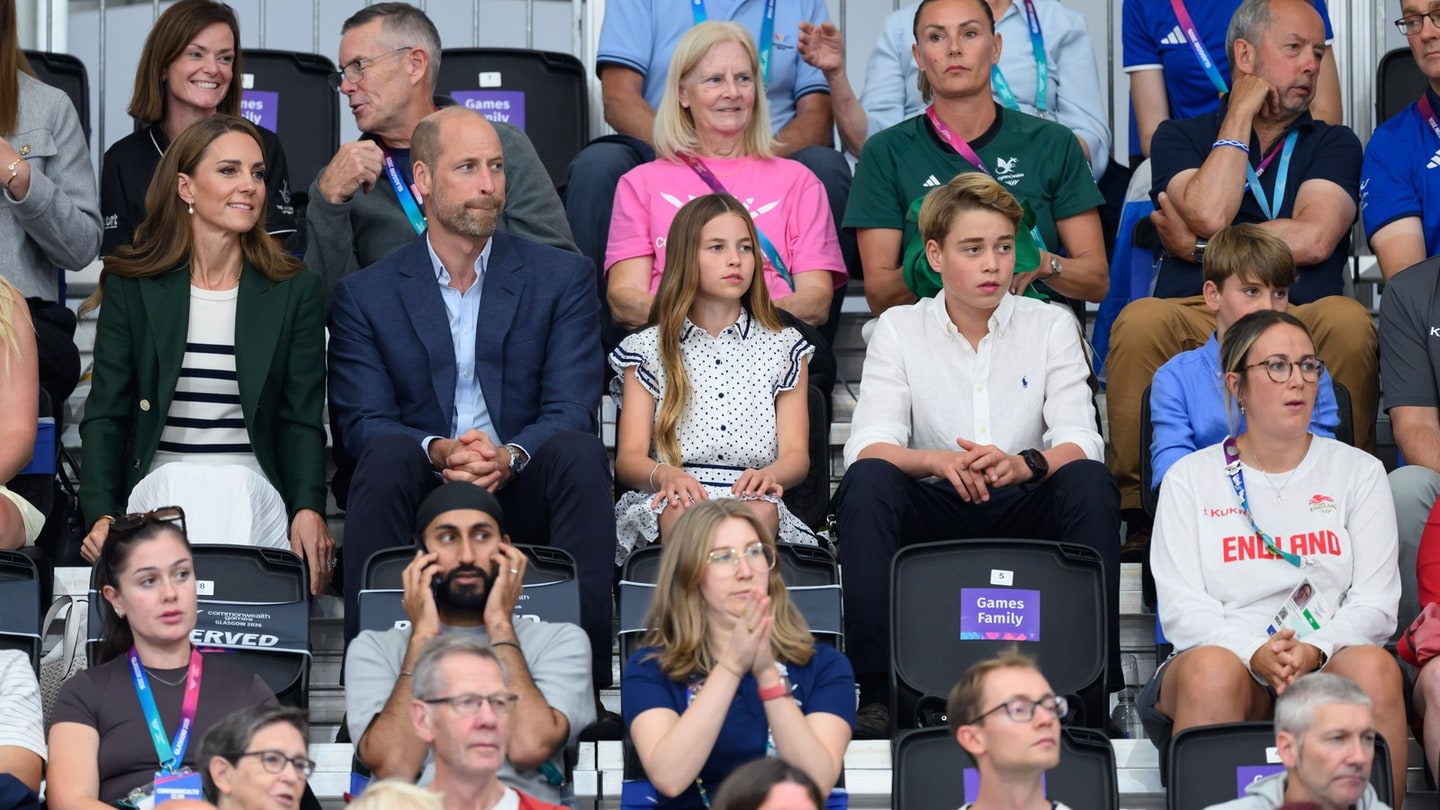
HEADLINE: Kate Middleton and Prince William Take Prince George, Princess Charlotte, and Prince Louis to the Commonwealth Games, Marking First Official Family Outing in Scotland
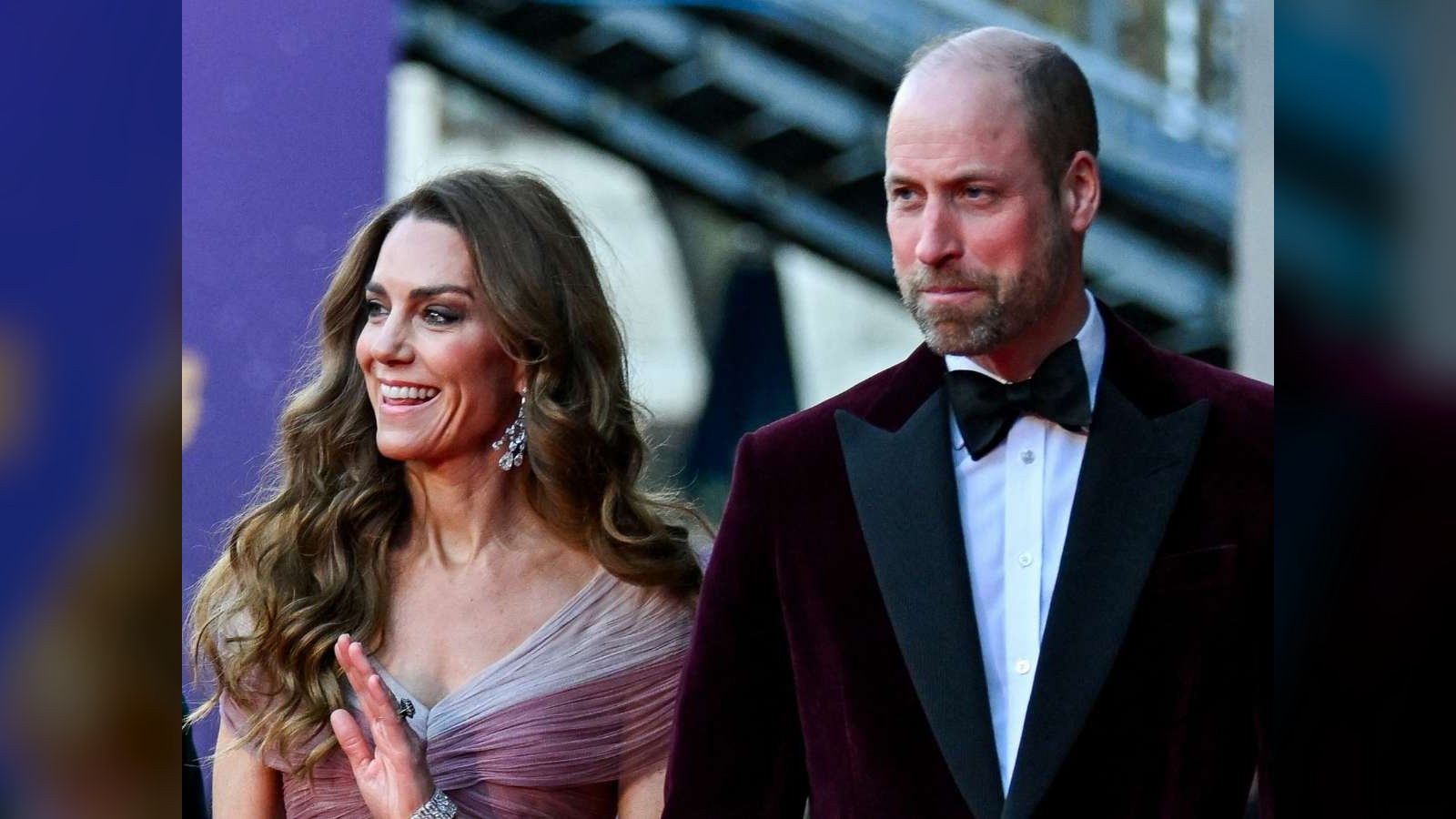
In a significant moment for the British Royal Family, Catherine, Princess of Wales, and Prince William, Prince of Wales, brought their three children, Prince George, Princess Charlotte, and Prince Louis, to the Commonwealth Games in Glasgow on Saturday, August 1, 2026. This occasion marked the first official family visit for all five members of the Wales household to Scotland. While the family frequently spends their summer holidays at Balmoral Castle in Aberdeenshire, a private estate in the Scottish Highlands that has been a royal residence since 1852, these previous visits have always been strictly private, shielded from public and media scrutiny.
This year, however, Prince William and Kate Middleton, who are formally known as the Duke and Duchess of Rothesay when in Scotland, chose to make their first visit to the Commonwealth Games since 2022 a public family affair. The couple opted to take their children to witness the netball semifinals on the penultimate day of the multi-sport event. The Commonwealth Games, often referred to as the 'Friendly Games,' is an international multi-sport event involving athletes from the Commonwealth of Nations, a political association of 56 member states, most of which are former territories of the British Empire. Held every four years, it is a key event in the sporting calendar and provides an important platform for showcasing talent and fostering international goodwill.
The decision to include all three children in this official engagement in Scotland signals a growing trend of the Prince and Princess of Wales involving their offspring in public duties, gradually preparing them for their future roles within the monarchy. Prince George, as the eldest, is currently second in the line of succession to the British throne, following his father, Prince William. Princess Charlotte is third, and Prince Louis is fourth. Their public appearances are carefully managed, often balancing the need for royal presence with safeguarding their childhood. This particular outing in Glasgow offered a rare glimpse into the family dynamics in a public setting.
The day’s extensive schedule for the Prince and Princess of Wales and their children was packed with various engagements, demonstrating a commitment to supporting the Commonwealth Games and the athletes participating. The activities commenced with a meeting with athletes from the Welsh delegation. Such interactions are a hallmark of royal visits to sporting events, allowing the royals to offer encouragement and recognition to the competitors representing their respective nations. Wales, as one of the constituent countries of the United Kingdom, holds a significant place in the Commonwealth Games, and its athletes are often a source of national pride. These meetings typically involve informal conversations, photo opportunities, and expressions of support from the royal visitors.
Following their interaction with the Welsh athletes, the family spent time with event volunteers. Volunteers are the backbone of any large-scale sporting event like the Commonwealth Games, contributing countless hours to ensure its smooth operation. Acknowledging their efforts is a crucial aspect of royal patronage and public engagement. This segment of the visit would have provided an opportunity for the Prince and Princess of Wales to thank these individuals personally for their dedication and hard work, emphasizing the collective effort required to stage such a prominent international competition. The children's presence during these interactions would have further endeared the family to the volunteers, creating memorable moments for all involved.
A significant portion of the day was dedicated to watching the sporting action. The family made a visit to the velodrome to watch the track cycling events. Track cycling is a high-octane sport, known for its speed, strategy, and often dramatic finishes. Velodromes are specialized indoor or outdoor cycling tracks, typically featuring steeply banked turns. The excitement of track cycling would have provided a thrilling spectacle for the young royals and offered a dynamic contrast to the earlier netball match. Such diverse sporting experiences aim to expose the children to a wide array of athletic disciplines and the spirit of competition.
Beyond the sporting spectacles and interactions with athletes and volunteers, there was an additional event with the charity SportsAid. SportsAid is a vital organization that supports promising young athletes from across the United Kingdom by providing financial assistance and recognition at a crucial time in their careers. This support helps them to overcome financial challenges and focus on their training and competition, often enabling them to reach their full potential. The Princess of Wales has been a dedicated patron of SportsAid since 2013. Her patronage highlights her long-standing commitment to promoting sports and supporting the next generation of athletic talent. Her involvement with SportsAid underscores the importance of grassroots sports development and the role it plays in national well-being and international sporting success. Attending an event with this charity at the Commonwealth Games allowed her to further champion its work and bring attention to the needs of young athletes, showcasing her continued dedication to this cause.
The inclusion of Prince Louis in this Glasgow outing was particularly noteworthy, setting this engagement apart from other recent public sporting events involving the royal children. For instance, at the men’s final at Wimbledon, a highly anticipated tennis tournament, only Prince George and Princess Charlotte had accompanied their parents. The presence of eight-year-old Prince Louis at the Commonwealth Games completed the family picture in Glasgow, offering a rare opportunity to see all three siblings together at an official public event. This decision to include their youngest son suggests a growing comfort level in bringing all their children into the public eye, carefully managing their exposure while also fulfilling royal duties.
Seated in the stands between his two elder siblings, the young Prince Louis once again captivated onlookers with his wide range of expressions during the netball match. Prince Louis has garnered a reputation for his animated and often uninhibited reactions during public engagements, endearing him to the public. During the netball semifinals, he was observed resting his chin on his hands, a common posture of contemplation or perhaps mild boredom for a child. He also held his breath in surprise, indicating moments of intense action or unexpected turns in the game. And, as is often the case with young children during prolonged events, he couldn’t help but yawn a few times as he followed the action, providing a touch of relatable charm that further cemented his public appeal. These candid moments offer a glimpse into the genuine reactions of a young royal, moving beyond the formality often associated with the monarchy and connecting with the public on a more personal level.
The netball semifinals themselves would have been a thrilling event, with teams vying for a spot in the final. Netball is a popular sport within the Commonwealth, particularly in countries like Australia, New Zealand, England, and Jamaica, where it boasts a significant following. The fast-paced nature of the game, with its intricate passing, strategic defense, and precise shooting, makes for compelling viewing. By attending this specific event, the royal family highlighted the diversity of sports within the Commonwealth Games and the importance of supporting women's sports, given that netball is predominantly played by women.
The entire visit served multiple purposes for the Prince and Princess of Wales. Firstly, it reinforced the Royal Family's commitment to the Commonwealth and its values. As heads of the Commonwealth, the monarch and the direct heirs play a crucial role in maintaining these international ties. Secondly, it allowed them to showcase their children in a natural and engaging setting, gradually acclimatizing them to their public roles. Thirdly, it provided a platform to support various initiatives, from acknowledging volunteers to promoting young athletes through SportsAid. The choice of Glasgow for this family outing also highlights the importance of Scotland to the Royal Family, particularly given their Scottish titles as the Duke and Duchess of Rothesay and their regular private stays at Balmoral. This public display of engagement in Scotland helps to strengthen the bond between the monarchy and the Scottish people.
The Commonwealth Games, in this context, served as an ideal backdrop for these royal interactions. The event itself is a celebration of sport, culture, and camaraderie among nations, aligning well with the values often promoted by the Royal Family. The atmosphere of such games is typically vibrant and celebratory, providing a relaxed yet meaningful environment for public appearances. The presence of the entire Wales family added a significant layer of public interest and warmth to the penultimate day of the Games, ensuring widespread media coverage and public engagement with both the event and the Royal Family.