GetCelebrity Editorial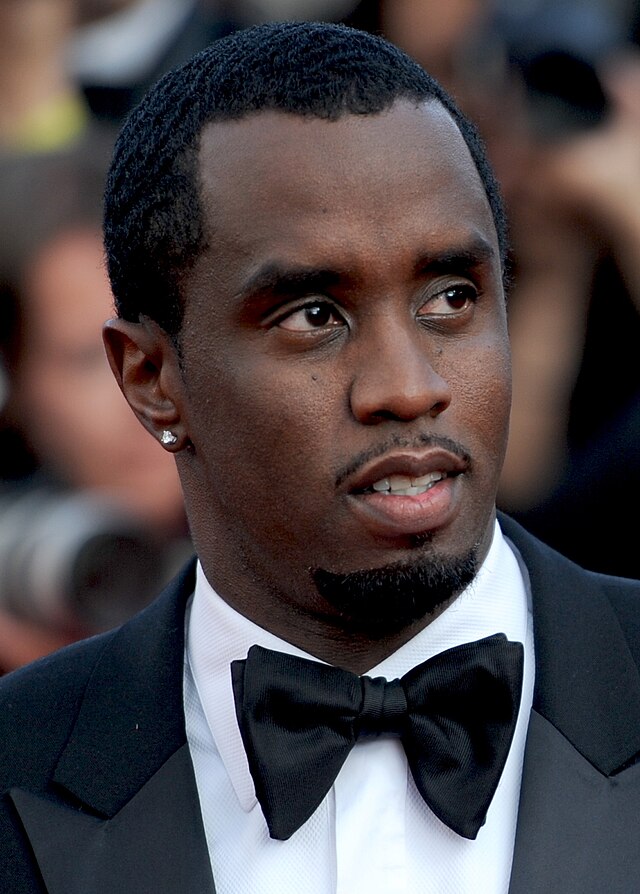
Sean Combs. The name alone conjures images of chart-topping hits, sold-out arenas, and a lifestyle most of us can only dream of. But behind the bling and the beats lies a shrewd businessman, a mogul who built an empire from the ground up. It all started with a million-dollar loan and a dream.
Bad Boy Beginnings: From Intern to Impresario
Before he was P. Diddy, Puff Daddy, or even just Diddy, Sean Combs was an intern at Uptown Records. He learned the ropes, absorbed the energy of the music industry, and developed a strong eye for talent. He had a vision. He knew what the streets wanted, and he knew how to deliver it. But things at Uptown didn't pan out as planned. In 1993, Combs was fired. This could have crushed anyone. But for Sean Combs, it was fuel.
Armed with a $1 million loan from Russell Simmons, co-founder of Def Jam Recordings, Sean Combs launched Bad Boy Records. One million! That was a huge bet on a young guy barely out of his early twenties. But Simmons saw something special in Combs. He saw the hustle, the drive, and the undeniable charisma. The loan proved to be a stroke of genius. Bad Boy quickly became a force to be reckoned with, shaping the sound of the '90s and beyond.
Bad Boy's initial roster was a murderer's row of talent. The Notorious B.I.G., Craig Mack, Lil' Kim, and Mase all called Bad Boy home. These artists weren't just selling records; they were defining a generation. The label's success was meteoric, turning Sean Combs into a millionaire many times over. He wasn't just a record executive; he was a cultural icon. The music was the key but he was the engine.
Beyond the Music: Cîroc and Expanding Horizons
While Bad Boy cemented Sean Combs' place in music history, he wasn't content to rest on his laurels. A true entrepreneur never stops seeking new opportunities. He saw the potential to expand his brand beyond music, and he did so with remarkable success. This led to ventures in fashion, television, and, most notably, the spirits industry. He began to build a diverse portfolio.
In 2007, Sean Combs partnered with Diageo, the world's largest spirits company, to take over the marketing and management of Cîroc vodka. This was a game-changer. Cîroc, previously a struggling brand, became one of the fastest-growing vodka brands in the world under Combs' leadership. How? He understood marketing and how it needed to evolve. He put his face on it. He made Cîroc synonymous with luxury and celebration. According to Forbes, the deal has generated well over $1 billion in retail sales.
This partnership wasn't just about slapping a celebrity's name on a product. Sean Combs was deeply involved in every aspect of the brand, from marketing and advertising to product development. He knew his target audience and how to reach them. He understood the power of branding and how to create a lifestyle around a product. Others took notice, and still do.
A Media Titan: Revolt TV and Digital Dominance
Not content with conquering the music and spirits industries, Sean Combs turned his attention to media. He recognized the changing scene of entertainment and the growing importance of digital platforms. In 2013, he launched Revolt TV, a music-oriented television network aimed at a young, diverse audience. It was a bold move. Could he crack the crowded media market?
Revolt TV wasn't just another music channel. It was a platform for emerging artists, social commentary, and cultural expression. Sean Combs wanted to create a space where young people could see themselves reflected and where their voices could be heard. The network is available in over 50 million homes. While it faces stiff competition, Revolt TV has established itself as a significant player in the media scene. According to Variety, Revolt has been increasing its focus on digital content and streaming, recognizing the shift in how young people consume media.
Beyond Revolt TV, Sean Combs has invested in various digital ventures, recognizing the importance of reaching audiences online. He understands that the future of media is digital, and he's positioning himself to be a leader in that space. Sean Combs is constantly evolving, embracing new technologies and platforms to connect with his audience. His strategy keeps him relevant.
Fashion Forward: Sean John and Style Icon Status
Sean Combs' influence extends far beyond music and media. He's also a fashion icon, known for his impeccable style and his ability to set trends. In 1998, he launched his own clothing line, Sean John, which quickly became a sensation. Sean John wasn't just about clothes; it was about a lifestyle. The brand embodied the aspirational values of hip-hop culture: success, luxury, and self-expression. In 2016, Sean John generated an estimated $450 million in retail sales, according to Bloomberg.
The Sean John brand achieved widespread success, selling in major department stores and becoming a staple in urban fashion. It won a Council of Fashion Designers of America (CFDA) award for Menswear Designer of the Year in 2004. This solidified Sean Combs' status as a serious player in the fashion industry. He wasn't just a celebrity endorsing a brand; he was a designer and entrepreneur building a fashion empire.
Over the years, Sean John has faced its share of challenges, including controversies surrounding labor practices and changing consumer tastes. Sean Combs has adapted to those challenges, and the brand remains relevant. He’s always finding ways to stay ahead of the curve. He understands that fashion is constantly evolving, and he's committed to keeping Sean John fresh and innovative.
Philanthropy and Legacy: Giving Back to the Community
Despite his immense wealth and success, Sean Combs has never forgotten his roots. He has consistently given back to the community through various philanthropic initiatives. He understands the importance of education and opportunity, and he's committed to helping young people achieve their dreams. He uses his resources to empower others.
The Sean Combs Foundation supports various causes, including education, healthcare, and disaster relief. He has donated millions of dollars to schools, scholarships, and community organizations. In 2016, he launched the Capital Preparatory Harlem Charter School, providing underprivileged students with access to a quality education. This school is a passion project. He wants to create opportunities for the next generation.
Sean Combs' legacy extends far beyond his business ventures. He's a role model for aspiring entrepreneurs, a cultural icon, and a philanthropist. He has proven that anything is possible with hard work, determination, and a clear vision. His story is an inspiration to millions of people around the world. Sean Combs is not just a businessman; he's a force of nature.
How much was the original loan that started Bad Boy Records?
Sean Combs received a $1 million loan from Russell Simmons to launch Bad Boy Records. That's a big number to put on somebody. But Simmons did it.
What is Sean Combs' involvement with Cîroc vodka?
Sean Combs partnered with Diageo to take over the marketing and management of Cîroc vodka. He helped transform it into one of the top-selling vodka brands in the world.
What is Revolt TV?
Revolt TV is a music-oriented television network founded by Sean Combs. It focuses on music, culture, and social justice issues, targeting a young, diverse audience.