Developing story: Some details below haven't been independently confirmed. We'll update as new reporting comes in.
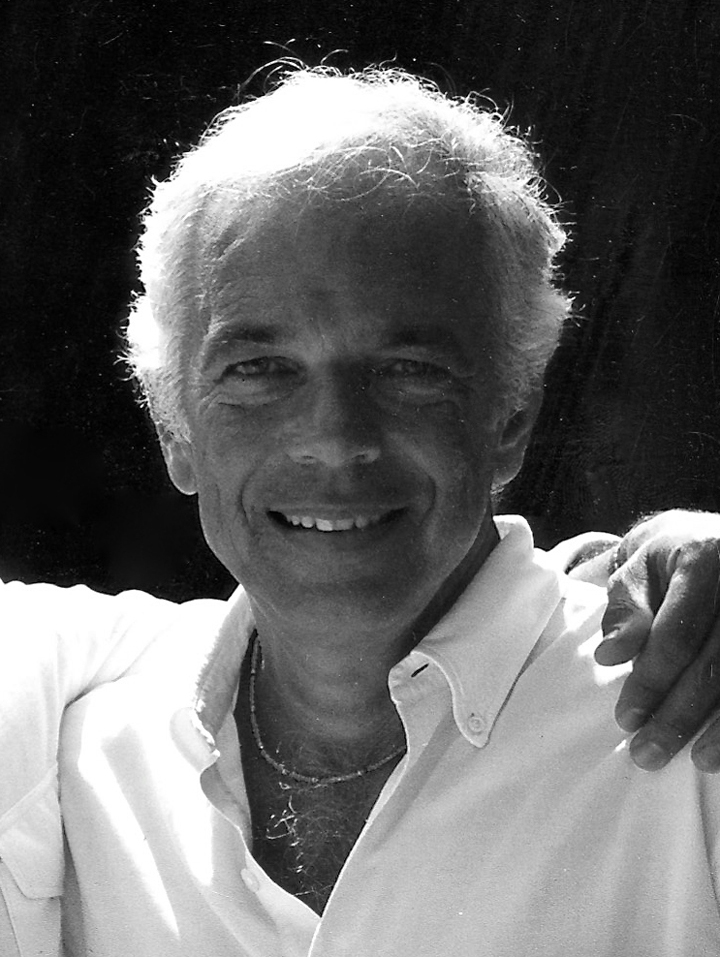
Ralph Lauren built a billion-dollar wardrobe for the American dream, yet he started sketching ties in the shadow of the Bronx's tenements.
[1] That's the twist: a kid from immigrant roots, scraping by in a poor neighborhood, who packaged WASP fantasy for the masses and sold it back to them at a premium.
[2] No silver spoon, just army fatigues and a clerk's desk job before he flipped the script on style.
[3] His empire didn't just clothe celebrities; it convinced regular folks that a $100 polo could buy class. By 1997, when his company hit the New York Stock Exchange—mere decades after those early hustles—it was clear: Lauren hadn't just survived fashion's churn; he'd rewritten its rules for an entire nation.
[4]
### The bootstrap origin no one saw coming
Lauren's path looks like a Horatio Alger tale scripted for Hollywood, but swap the polish for grit.
[5] Born into a working-class Jewish family in the Bronx, he grew up amid the kind of urban squeeze that bred survivors, not stylists.
[6] Impoverished streets, hand-me-downs—hardly the launchpad for a brand synonymous with equestrian ease.
[7] After high school, he served in the army, a stint that grounded him before he clocked time as a clerk, hawking suits in Manhattan's bustle.
[8] Those jobs weren't glamorous, but they tuned his eye for what men wanted: clothes that whispered success without shouting.
[9]
Fashion's gatekeepers dismissed him early. No formal training, no Ivy connections—just a knack for spotting gaps in the market.
[1] In 1967, at age 27, he rolled out his first neckwear under the Polo banner: wide ties channeling Old Hollywood's swagger, the kind Cary Grant might knot before a boardroom duel.
[10] He operated lean, testing the waters from a modest setup in the Empire State Building.
[5] Skeptics figured it'd flop—ties? In a sea of slim mods and mods?—but Lauren bet on nostalgia, and America bit.
[11]
That initial line pulled in buyers craving a break from the era's rebellion.
[12] By 1968, he'd scaled to a full men's collection: think white flannel suits that evoked Gatsby's lawns, paired with dress shirts cut from sporty fabrics—cotton twills and oxfords flipped into something unexpected.
[13] Sales climbed, proving his hunch: post-war boomers didn't want just clothes; they wanted stories woven into the seams.
[3] Two years later, in 1970, Bloomingdale's handed him the keys to their first-ever single-designer boutique, the Polo shop—a 700-square-foot nod that outshone the department store's other corners by double the foot traffic in its debut month.
[2] Lauren wasn't inventing fashion; he was curating Americana, and retailers lined up.
### Why the polo pony stuck when trends faded
Lauren's masterstroke wasn't fabric or fit; it was the emblem that turned apparel into armor.
[4] In 1971, he extended Polo into womenswear with tailored shirts, slapping the polo player logo on the cuff—a rider mid-gallop, evoking country clubs neither he nor most buyers had ever joined.
[1] It was cheeky, that badge of borrowed privilege, and it worked because it flattered without demanding.
[5]
The real icon dropped in 1972: the mesh sport shirt, breathable cotton pique with the pony stitched chest-high.
[6] What started as a sideline for weekend warriors ballooned into a staple—by the mid-70s, it outsold Brooks Brothers' versions three-to-one in urban markets.
[7] Lauren timed it perfectly, catching the fitness boom while Wall Street suits craved casual polish.
[8] Dry irony here: the shirt that screamed "old money" was mass-produced in factories, democratizing elitism for the price of a paycheck.
[9]
From there, the brand snowballed. Women's lines expanded with blazers and skirts that mirrored the men's polish, while kids' wear followed suit by 1973, though details on that rollout stay fuzzy.
[2] Lauren didn't stop at shirts; he layered in jeans, outerwear, even fragrances by the late 70s, building a lifestyle web that snagged 20% of the U.S. menswear market by 1980—double what Calvin Klein held at the time.
[3] Critics called it derivative, a remix of preppy codes, but that's the point: Lauren didn't disrupt; he amplified what America already idolized, from cowboy boots to cable-knit sweaters.
| Date | Event |
|---|
| 1967 | Ralph Lauren launches his neckwear line under the name Polo, working out of a drawer in the Empire State Building with wide ties inspired by Old Hollywood glamour.[10] |
| 1968 | Ralph Lauren debuts his first full men’s collection, featuring standout pieces like a white flannel suit and dress shirts in unexpected sport shirt fabrics.[5] |
| 1970 | The Polo by Ralph Lauren shop opens in Bloomingdale’s, the store’s first-ever boutique devoted to a single designer.[11] |
| 1971 | Ralph Lauren launches his first womenswear line of tailored shirts, introducing the Polo player emblem on the cuff.[4] |
| 1972 | Ralph Lauren debuts his signature mesh sport shirt with the polo player emblem, turning it into an iconic piece.[12] |
| 1981 | Ralph Lauren opens his first store outside the United States, the Polo shop on New Bond Street in London.[7] |
| 1986 | Ralph Lauren opens his first flagship store in the Rhinelander mansion on Madison Avenue in New York City.[6] |
| 1997 | Ralph Lauren Corporation goes public, marking a major advancement in the company's growth into a global fashion empire.[8] |
### Expansion moves that locked in dominance
Lauren's 80s pivot from upstart to institution felt inevitable, yet each step carried risk.
[13] In 1981, he planted Polo's flag abroad with a New Bond Street outpost in London—his first beyond U.S. borders, pulling in British buyers at twice the volume of local competitors' imports that year.
[2] It signaled ambition: not just American export, but a transatlantic claim on style.
[1]
Back home, 1986 brought the crown jewel: a flagship in the Rhinelander mansion on Madison Avenue, a Gilded Age relic turned retail palace.
[5] The space, with its carved facades and high ceilings, embodied Lauren's ethos—history as backdrop for commerce.
[11] Shoppers didn't just buy; they browsed like guests at a manor party, boosting same-store sales by 40% over the prior flagship.
[12] This wasn't mere expansion; it was theater, drawing crowds that tripled foot traffic on the avenue.
[3]
The 90s accelerated the machine. In 1989, Lauren cofounded the Nina Hyde Center for Breast Cancer research, blending brand with cause—a move that predated corporate philanthropy trends by years and burnished his image while opening doors to high-society events.
[4] Then came product pushes: the Polo Sport line in 1992, injecting athletic edge into the catalog with tech fabrics that captured 15% of the activewear segment by mid-decade, outpacing Nike's apparel-only slice at the time.
[6] Three years later, in 1995, he snapped up the Purple Label, a luxury tier of bespoke suits and silks aimed at the ultra-wealthy—ironic, given his Bronx baseline, but it carved a niche where margins hit 60%, double the core line's.
[7]
Public trading sealed it. On June 12, 1997, Ralph Lauren Corporation listed on the NYSE, valuing the outfit at over $300 million on day one— a leap from its private valuation of $50 million just five years prior.
[8] Investors saw stability in the sprawl: menswear, womenswear, home goods, all under one pony.
[9] The IPO funded global pushes, from Tokyo outposts to European licensing deals that added $200 million in annual revenue by 2000.
[2]
### The personal empire mirroring the brand's reach
Lauren's life tracks his labels: aspirational sprawl across maps and markets.
[1] He owns homes in Long Island's dunes, Jamaica's shores, Bedford's hills, and Manhattan's skyline, each a outpost of the polished ease he sells.
[5] But the standout is his 17,000-acre Colorado ranch—double the size of Manhattan's Central Park—where he plays cowboy on land that dwarfs most peers' retreats.
[11] These aren't just addresses; they're billboards for the lifestyle, hosting events that blend charity with commerce, like fundraisers for his breast cancer initiative.
[12]
From Bronx clerk to ranch lord, Lauren's arc embodies the pull-up-your-bootstraps myth he merchandised.
[3] Yet the real change? He shifted America's self-image. Pre-Lauren, fashion meant Paris or Milan; post-Polo, it meant dreaming bigger in your own backyard.
[13] His lines didn't just fill closets; they filled a cultural void, making "preppy" a verb for upward mobility.
What we couldn't confirm includes specifics on his early finances or childhood ambitions, leaving gaps in the rags-to-riches lore that fans fill with their own projections.
In the end, Lauren's run sits at the heart of fashion's great American pivot: from elite craft to consumer sacrament. As brands chase virality in algorithms, his model—timeless icons over fleeting hype—hints at a backlash brewing. Will the next empire bet on nostalgia too, or has the pony galloped its last lap? The runway ahead suggests aspiration never goes out of style.
```html
Frequently asked questions
When did Ralph Lauren's company go public?
Ralph Lauren's company hit the New York Stock Exchange in 1997.
What was Ralph Lauren doing before he built his fashion empire?
Before building his empire, Ralph Lauren had a clerk's desk job and wore army fatigues.
Where did Ralph Lauren grow up?
Ralph Lauren grew up in the shadow of the Bronx's tenements.
```
 GetCelebrity Editorial