
King Harald V last spoke at length to reporters on 28 May in Askvoll, a small town on Norway’s western coast. Queen Sonja had been due to accompany him but was in hospital, and Harald arrived alone. He toured local businesses, accepted flowers, listened to a choir and, when offered a brownie, observed that the great virtue of brownies was that they contained almost no calories. After the ceremonies he met the press. He said his wife was feeling better and was already on her way home; he acknowledged how hard she found her growing frailty and her inability to work as she once had. Asked about his own health, he replied with familiar irony: “The King is doing very well.” He was also asked about the future of the monarchy. Harald said it would remain in safe hands with his son Haakon and his granddaughter Ingrid Alexandra. And if Norway one day chose to dispense with the Crown? “Then I won’t be here,” he said with a smile. Three months later, he was gone.
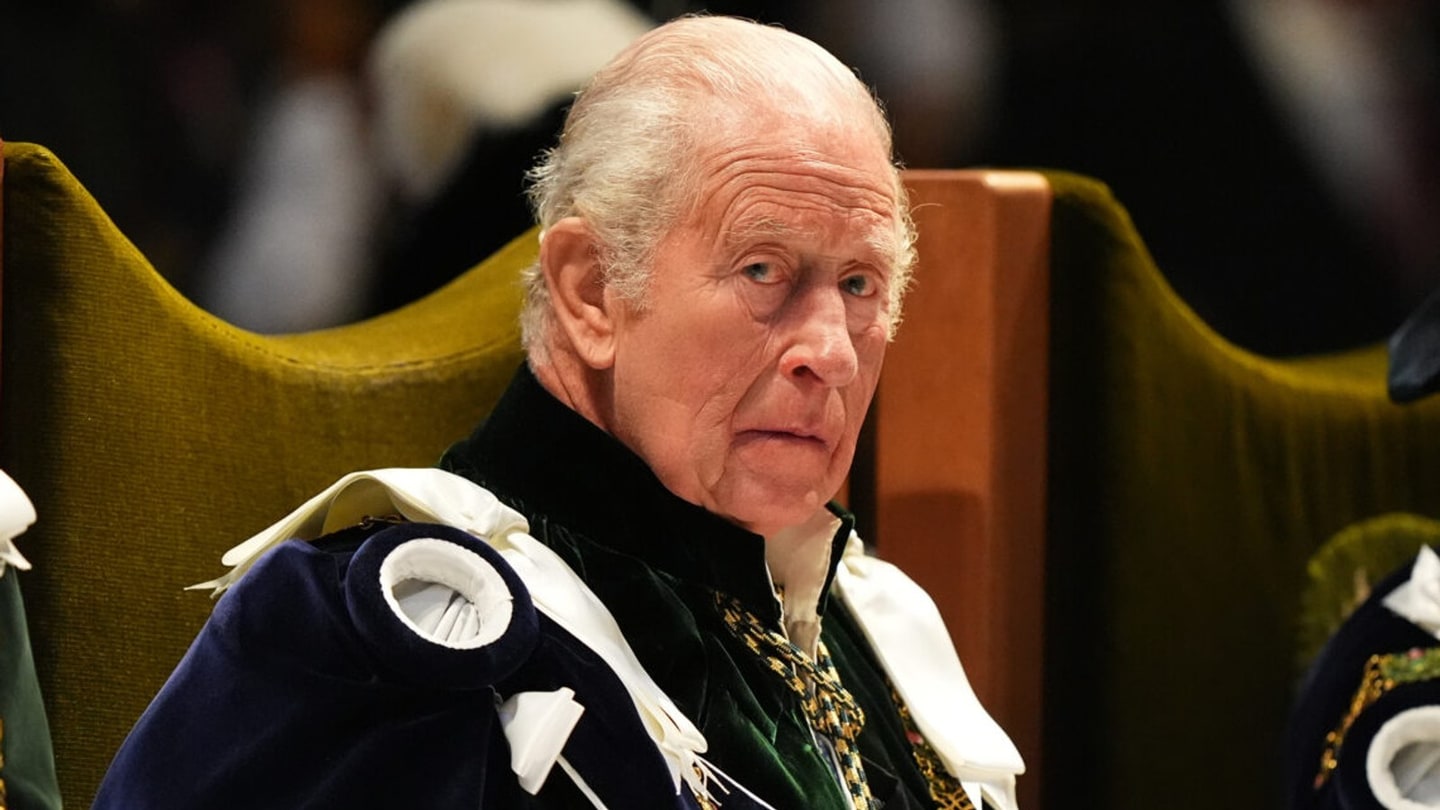
Harald V died on Friday, 28 August, at 6.35 a.m. at Rikshospitalet, Oslo University Hospital. He was 89. The Royal Court said that he died peacefully; no immediate cause of death was given. In his final years he underwent several operations, lived with a pacemaker and repeatedly handed his duties to the heir to the throne. On his death, the Crown Prince automatically became King Haakon VIII. Norway had reached the end of a reign that lasted 35 years, but Harald’s importance lay neither in his longevity nor even in the monarchy’s endurance. It lay in the way the hereditary head of one of the world’s most democratic societies turned his political powerlessness into a distinct form of moral presence. He did not govern the country, and never claimed to. He tried to speak for it when ordinary language no longer seemed sufficient.
Harald was born on 21 February 1937 at the Skaugum estate outside Oslo, the first Norwegian prince to be born in his homeland for almost six centuries. Yet a childhood intended to confirm the solidity of a restored dynasty quickly taught him how fragile a state can be. Germany invaded Norway on 9 April 1940. The Nazis hoped to seize the King, the government and the heir to the throne and compel them to give surrender the appearance of legality, but the royal family escaped. Harald’s mother, Crown Princess Märtha, took her three children first to Sweden and then to the United States; his father and grandfather went to London with the government in exile. At six, Harald performed his first official duty, naming new Norwegian military aircraft at a base in Canada. The family returned to Oslo in the summer of 1945, welcomed by streets filled with people. That experience became the foundation of his understanding of monarchy. A crown, he had learnt as a child, offered no protection from history. It was justified only when it shared the country’s fate.
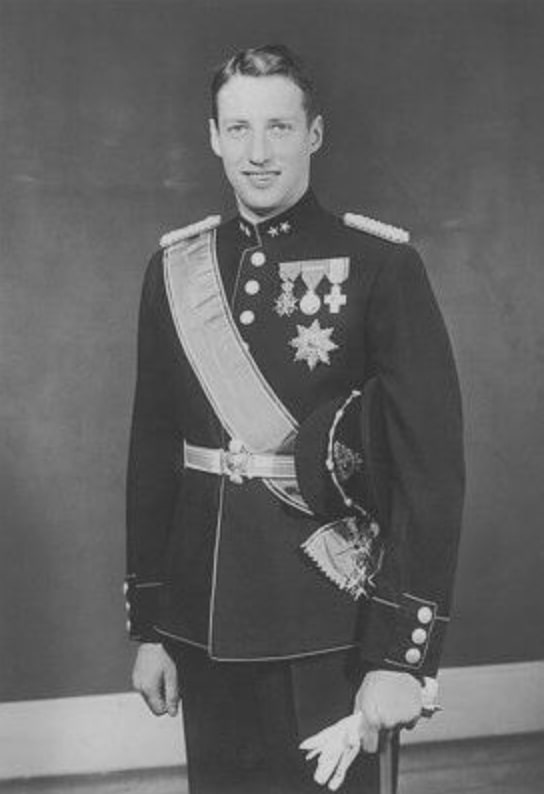
Back home, Harald attended an ordinary school, graduated from the military academy and went on to study history, economics and social science at Oxford. His true passion, however, was the sea. He represented Norway in sailing at the Olympic Games of 1964, 1968 and 1972, and in 1987 skippered his yacht to victory in the world championships. His love of sailing revealed something essential about him: Harald was not a man of dazzling gestures, but he possessed the patience required to hold a long course against a changing wind. He rarely seemed a brilliant conversationalist, was never a great orator and lacked the theatrical assurance of some other European monarchs. His speech could be slow, his manner slightly awkward. Gradually, that absence of polish became an advantage. He appeared not as a man demanding attention, but as one capable of giving it.

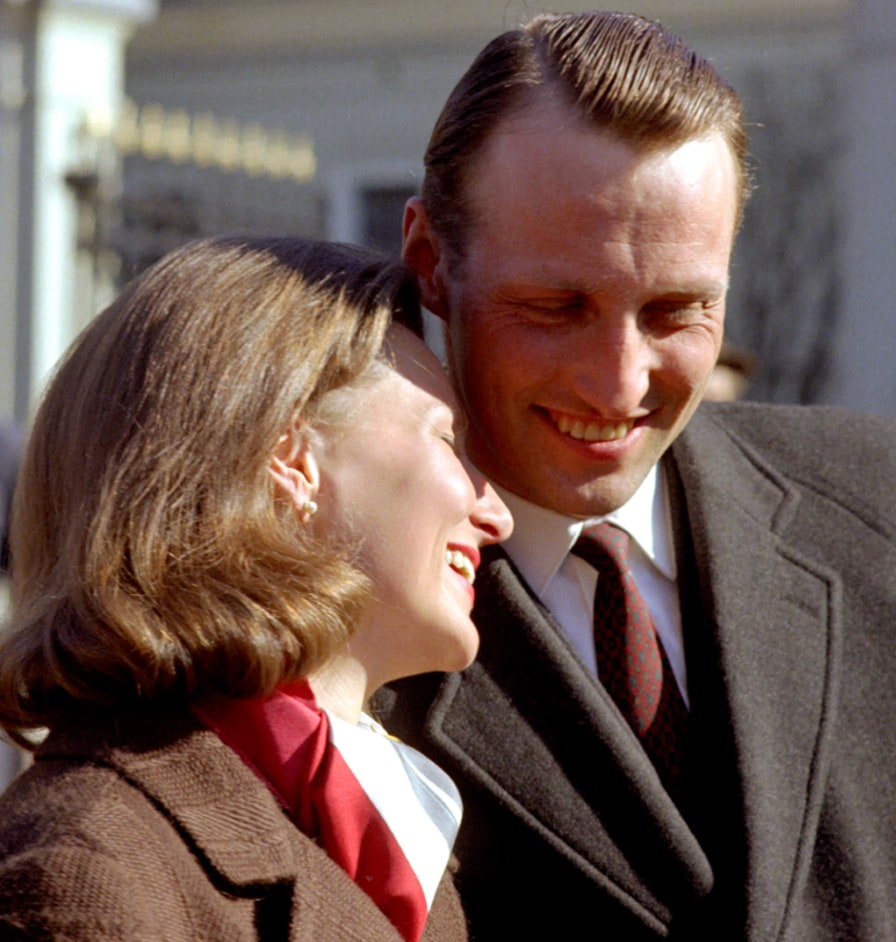
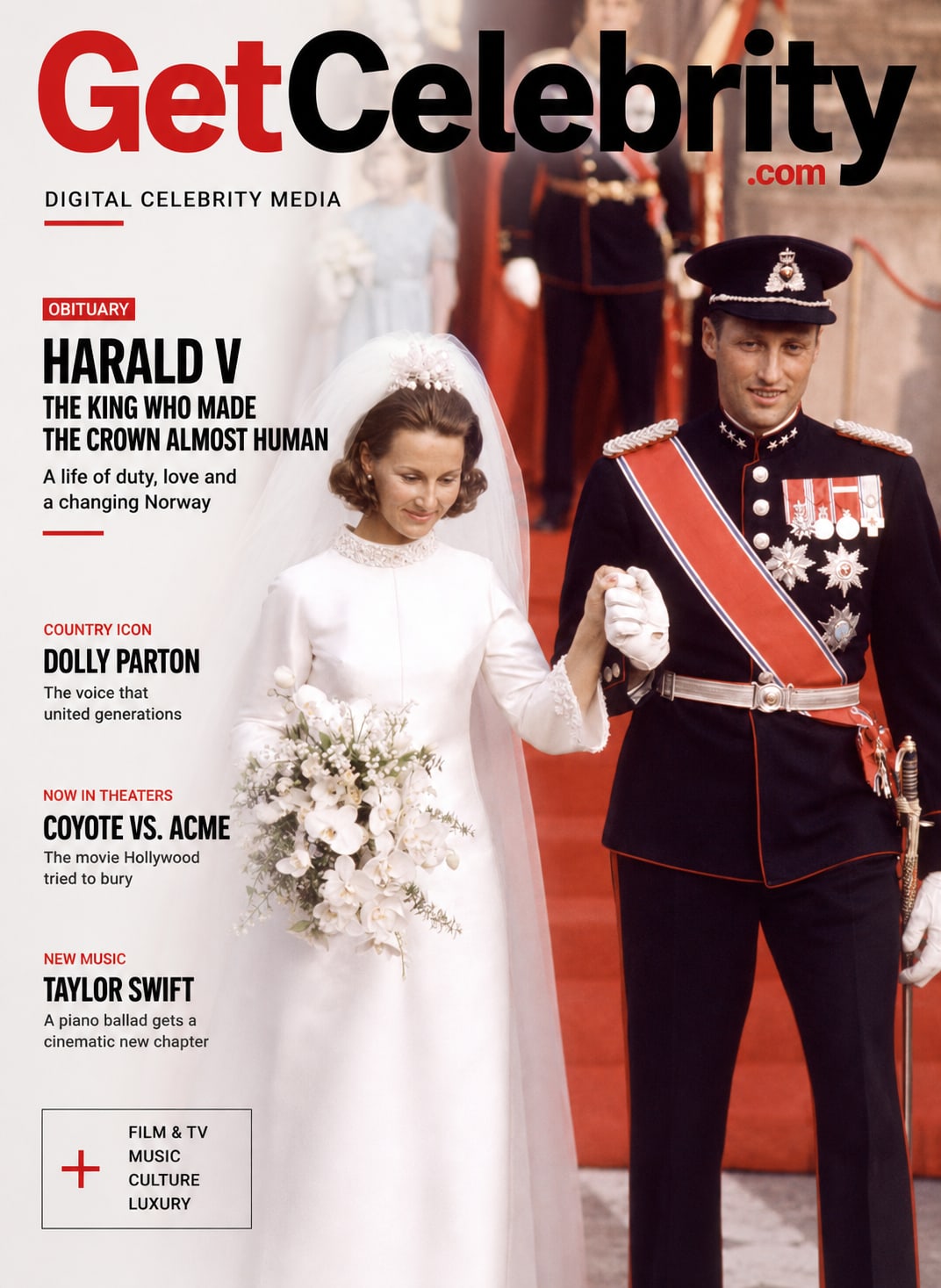
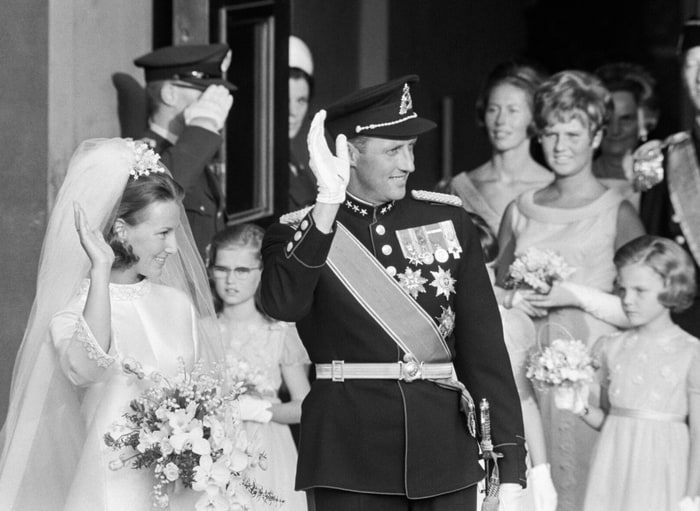
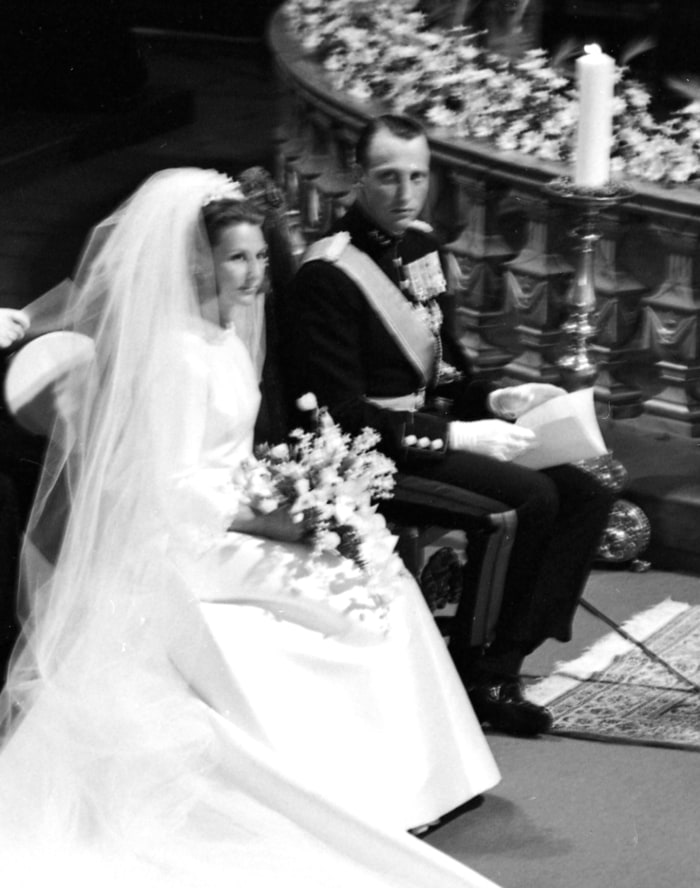
The most decisive act of Harald’s youth was a struggle not for the throne but for the right to marry Sonja Haraldsen, the daughter of an Oslo clothing merchant. They met in 1959 and fell in love almost at once, but King Olav V regarded the heir’s marriage to a commoner as a threat to the dynasty. Politicians and much of the royal establishment shared his concern: the only heir was expected to choose a woman of his own rank, not turn a private attachment into a matter of state. Harald and Sonja conducted their relationship in secrecy for nine years. In a later NRK interview, he recalled loving her while feeling guilty towards both his father and Norway, as though he were doing something forbidden. Eventually he told his father that he would either marry Sonja or never marry at all. With no other heir, the future of the dynasty now depended on consent to the match. Olav yielded. On 29 August 1968, Harald and Sonja emerged from Oslo Cathedral and drove towards the palace in an open black Lincoln Continental. What the court had feared as the beginning of the end proved to be the beginning of renewal: the future king preserved the monarchy by publicly breaking one of its most archaic rules. Their marriage lasted 58 years.
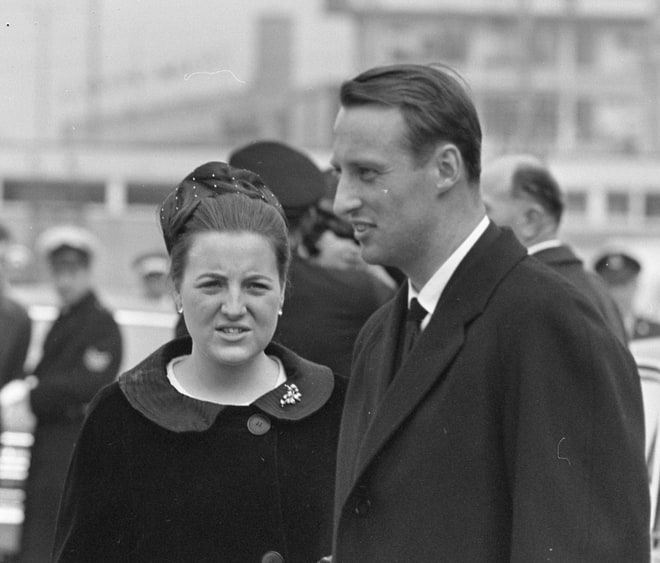
Harald came to the throne on 17 January 1991 after his father’s death and adopted the traditional motto, “All for Norway.” But he faced a question his predecessors had not: what, by then, did Norway mean? During his reign the country became one of the richest in the world, built an immense sovereign wealth fund, changed through immigration and grew less religious, less homogeneous and markedly less deferential towards inherited privilege. The monarchy might have answered by trying to preserve the past in amber. Harald chose another course: rather than quarrel with the new country, he gradually learnt to see it.
Opening the Sámi Parliament in 1997, he declared that the Norwegian state had been founded on the territory of two peoples, Norwegians and Sámi, and apologised for the forced assimilation inflicted on the Indigenous population over generations. Spoken by the head of state, the words carried particular weight: the symbol of historical continuity acknowledged that the inheritance comprised guilt as well as triumph and national myth. In July 2011, after 77 people were murdered in Oslo and on the island of Utøya, Harald appeared at a memorial service with tears on his face. Addressing the nation not only as monarch but as father and grandfather, he repeated the sentence that became part of Norway’s answer to terror: “Freedom is stronger than fear.” Politicians could promise security and justice; the King offered society a language in which to mourn its dead without surrendering its values.
The defining speech of his reign came at a garden party at the Royal Palace in September 2016. Harald listed the people who made up contemporary Norway: inhabitants of every region, rich and poor, the able-bodied and wheelchair users, immigrants from Afghanistan, Pakistan, Poland, Somalia and Syria. He spoke of girls who loved girls, boys who loved boys, and people who believed in God, Allah, the universe or nothing at all. “Norway is, above all, people,” the King said. This was not political courage in the conventional sense: Harald risked no election and proposed no law. Yet the symbolic act was real. The representative of an institution founded on blood and descent defined national belonging not through ancestry, faith or sexual orientation, but through participation in a shared life. He seemed to open the imagined doors of the palace to those who had never been sure that the words “the Norwegian people” included them.
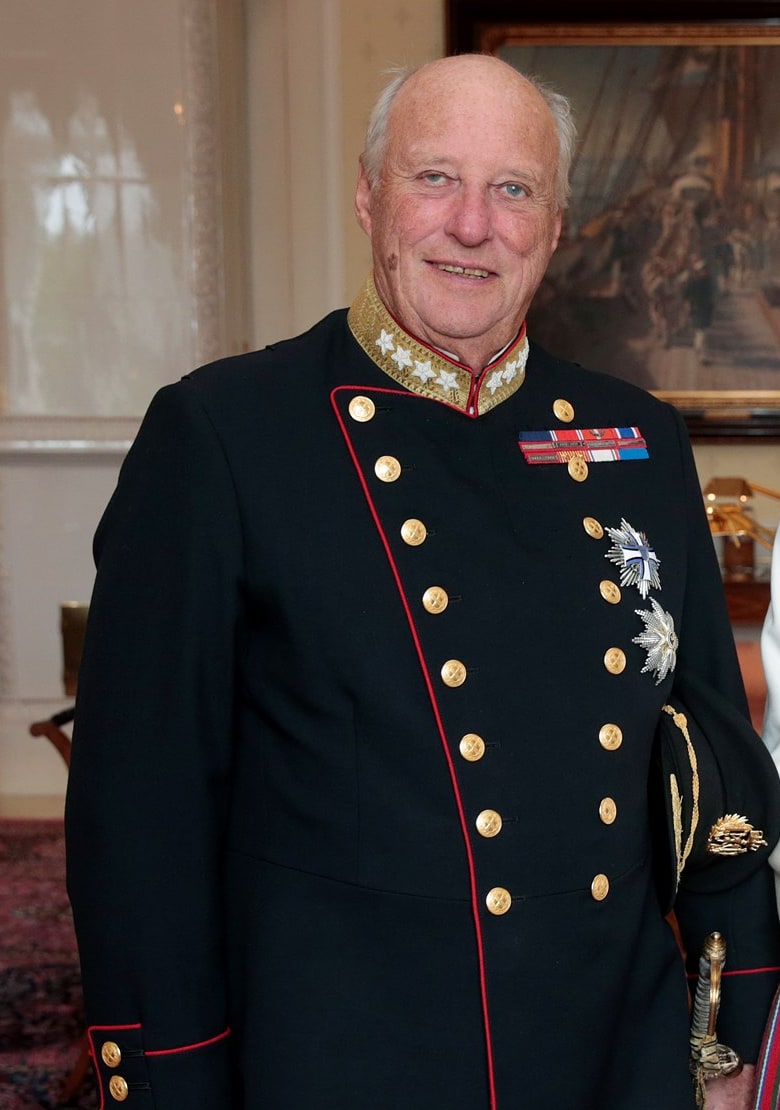
Harald’s personal warmth did not dissolve the contradictions of monarchy. He held office not through ability or public choice, but by birth. His family enjoyed public funding, an exceptional legal position and a degree of privacy that would have been impossible for an elected politician. His reign was also assisted by Norway itself: a peaceful, wealthy country confident in its institutions, where a monarch could embody unity without making decisions that inevitably divide. He was often praised for achievements that properly belonged to parliament, government and citizens. Harald understood the limits of his role, but never seriously questioned the privilege on which it rested.
In his final years, fidelity to duty began to resemble an inability to leave at the right time. After operations and repeated hospital stays, Harald consistently rejected abdication. He told Dagens Næringsliv that he had sworn an oath before parliament and believed it lasted for life: “It is as simple as that.” It was not quite so simple. His son repeatedly served as regent while remaining an heir unable to assume final responsibility. The King understood duty as refusing to abandon his post; he may have underestimated another kind of duty—the obligation to hand it on in time.
More conspicuous still was his indulgence towards his own family. The royal house’s final years under Harald were marked by controversies over Princess Märtha Louise’s commercial use of her title, Crown Princess Mette-Marit’s association with Jeffrey Epstein and the prosecution of her son, Marius Borg Høiby. Support for the monarchy fell even as Harald’s personal popularity remained exceptionally high. At his last meeting with reporters, he was asked about Mette-Marit’s contact with Epstein. The King replied that she had done nothing illegal and deserved credit for ending the relationship. It was a poor answer: a legal response to a question about moral responsibility, privilege and trust. Harald, who had learnt to see the Sámi, immigrants, religious minorities and same-sex couples, could not always see his own family as his subjects saw it. The quality that made him a persuasive comforter—unconditional loyalty to those close to him—became his principal blind spot.
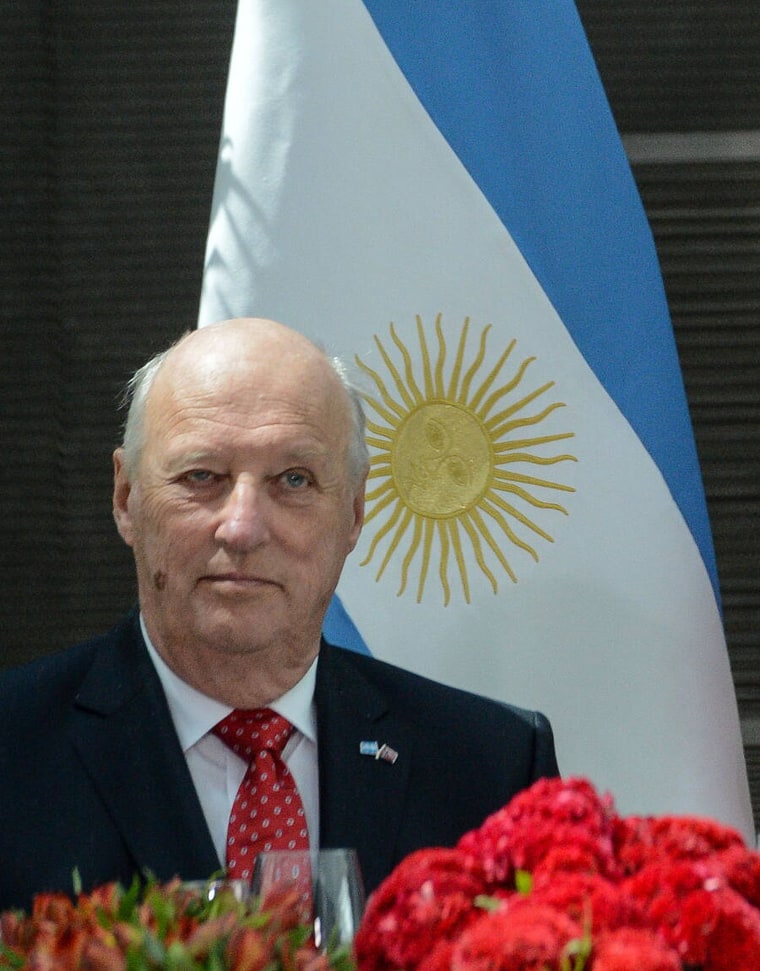
Harald V was not a great statesman: the constitution gave him no opportunity to become one. He did not create Norway’s prosperity, manage its sovereign wealth fund, determine foreign policy or defend democracy single-handedly. His achievement was more modest and perhaps more difficult. For 35 years he persuaded a modern society that a man who held office by inheritance might nevertheless listen to the country more attentively than he admired his own position. He made the monarchy less arrogant, less remote and less certain of its natural right to exist. He did not abolish the distance between palace and street, but narrowed it enough that in moments of national grief Norwegians were willing to accept his voice as their own.
Power has now passed to his son, and the future of the monarchy is no longer a question about Harald. His extraordinary popularity long concealed the institution’s weakening; Haakon VIII must show that public trust can be inherited with a throne, though the whole history of democracy suggests otherwise. Harald left him a crown that was at once more human and more dependent on the human being who wears it. That was both the success of his reign and its dangerous legacy.
He was born a prince in a country he soon lost, returned to it as a child, married a woman the palace had rejected and died king of a society far more diverse, free and sceptical than the one for which he had been trained. Harald did not alter the nature of hereditary power, but he made it appear less alien. He spent his life beneath a crown, and his rare triumph was that the crown never quite obscured his face.